
Tooth Fillings Sydney
Treating Decay Early
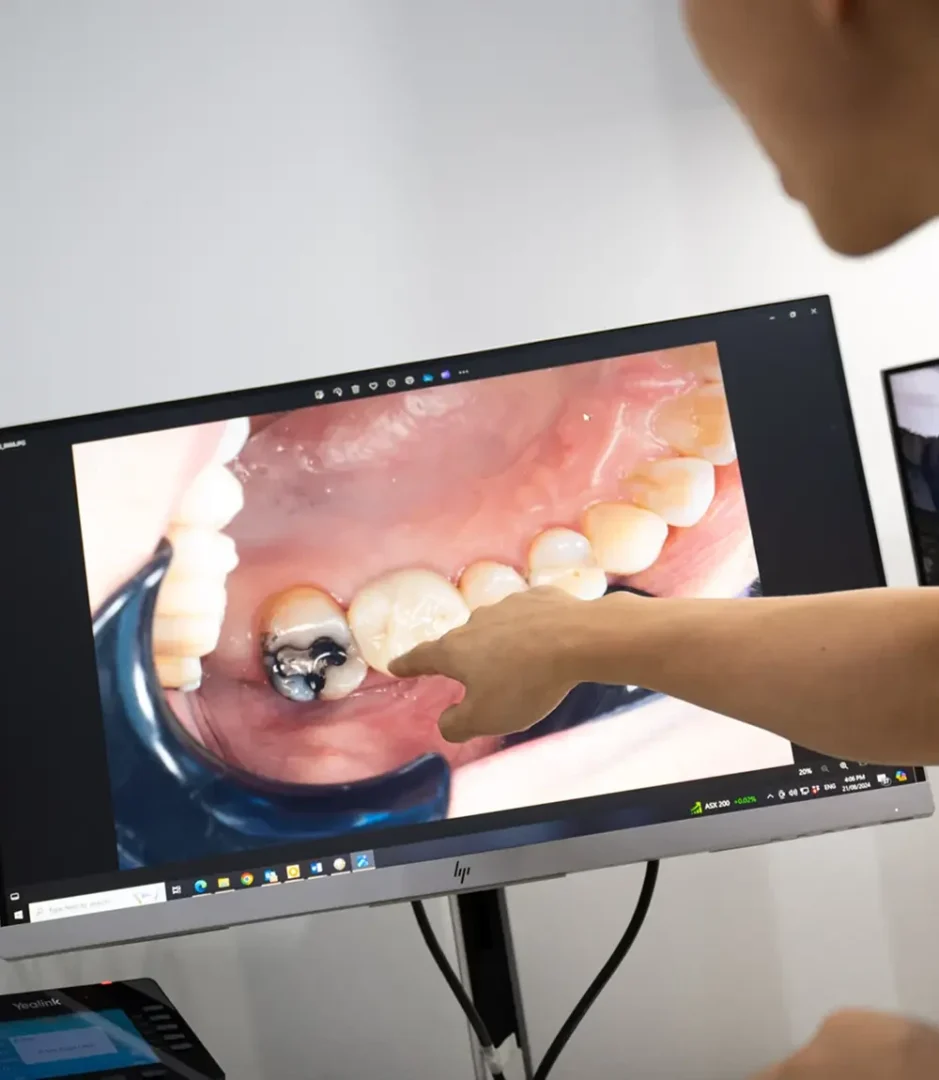
Treating Decay Early
Maybe the sound of the dental drills haunts you from a dental visit you had as a child, or you might have heard horror stories from friends or family. Regardless of the source of the trauma, the sheer mention of “tooth fillings” is enough to send a shiver down the spine of most people.
Dentistry has come a long way since many adults may have experienced their first tooth filling, with technological advancements improving both the materials and method used.
Popping in to get a tooth filling at Pitt Street Dental Clinic in Sydney during your lunch break is now a reality thanks to technological advancements and our convenient location, so don’t put off that tooth filling any longer!
What is a Tooth Filling?
A tooth can become compromised by decay caused by a combination of factors such as mouth bacteria, sugary food and drinks and poor dental hygiene. Over time, these factors can weaken enamel, break down the tooth and cause a cavity.
Once a cavity has formed, the tooth will continue to decay and become increasingly painful until a dentist is able to treat it.
Depending on the level of damage to the tooth, a dentist may recommend a tooth filling to fill in the cavity, repairing the damage caused by the decay and preventing bacteria from attacking the cavity further.
If the decay is beyond repairable by a filling, your dentist may suggest a root canal to repair the tooth or tooth extraction to remove the tooth completely. We will discuss different options to replace the tooth if required.
Type of Fillings
Pitt Street Dental Centre is a mercury-free practice, meaning Dr Cai and his team will not use dental amalgam – a material composed of mercury, silver, tin and copper – to restore your teeth.
When you do need a tooth filling, Pitt Street Dental Centre have a range of options that offer strong and highly aesthetic solutions that are far more natural looking than amalgam or gold fillings.
Fillings: Composite Resin
These fillings are a preferred filling type for many dentists and patients as they are ‘invisible’, blending into the patients’ teeth.
Composite resin fillings also adhere to the tooth better than amalgam fillings, bonding to the existing tooth. The filling is hardened in a few seconds using a special light placed into the mouth.
For those who shudder at the sound of the drill, a composite filling may be preferred because it requires less drilling, preserving the maximum amount of tooth. Research has proven them to be about 90% as strong as healthy, natural tooth material.
Indirect Restoration: Ceramic Inlays
While a composite resin filling is a direct restoration and can be completed in the chair in one sitting, a ceramic inlay is an indirect restoration requiring more than one visit to your dentist.
Ceramic inlays and composite resin fillings both involve the removal of decay before the tooth cavity is filled in. In the case of a ceramic inlay, an impression is made of the cavity and sent off to a dental lab where a ceramic inlay is made to the exact size and shape of the tooth cavity.
A ceramic inlay also strengthens the tooth, as the inlay is cemented into the tooth cavity.
Tooth Filling Aftercare

After you have had your tooth filling with one of our highly trained dentists at Pitt Street Dental, we will provide you with some aftercare instructions.
While composite resin fillings are dried and cured by the time you leave our dental clinic, you may still be experiencing the effects of the anaesthetic.
Our general advice is to avoid consuming any food or drink until the anaesthetic has worn off, which will help to avoid any injuries, scolds or other issues.
Risks & Recovery
Dental fillings are a routine way to restore teeth affected by decay or damage, but they come with some risks and recovery considerations.
Possible risks may include:
- Temporary sensitivity to hot, cold or pressure after placement
- Gum irritation near the treated tooth
- Risk of filling fracture or wear over time
- Rare chance of needing further treatment, such as a crown or root canal, if the tooth is more compromised than expected
Recovery considerations:
- Most patients return to normal activities immediately
- Mild sensitivity usually settles within a few days
- Avoiding very hard or sticky foods can help protect new fillings
- Regular check-ups support long-term success of the restoration
Download Our Price List

Download Our Price List
We take great pride in providing a tailored treatment experience. Everyone’s dental needs are different, which is why we discuss options that are relevant to your specific situation and goals.
Frequently Asked Questions
Why is my tooth sensitive after a filling?
Temporary sensitivity to hot, cold, or biting pressure is common after a restoration. This usually improves within a few days to weeks.
Does getting a filling hurt?
The area is numbed with local anaesthetic before treatment begins, so most patients experience pressure and sensation rather than pain during the procedure. Some tenderness after the anaesthetic wears off is normal and typically settles within a day or two. Your dentist will advise on pain management if needed.
What types of fillings are available?
Tooth-coloured composite resin fillings are the most commonly used option and are designed to blend with the natural colour of the tooth. Amalgam fillings, made from a metal alloy, are also available and tend to be particularly durable in high-wear areas. Your dentist will discuss the most appropriate material for your specific tooth and situation.
How long do fillings last?
The lifespan of a filling depends on the material used, the location of the tooth, bite forces, and oral hygiene habits. Regular check-ups allow your dentist to monitor fillings and address any wear or deterioration before it becomes a larger problem. Individual results vary.
How do I know if I need a filling?
Not all cavities cause noticeable symptoms, which is why regular check-ups are important for early detection. When symptoms do occur, they may include sensitivity, a visible hole or dark spot, or discomfort when biting. Your dentist will assess the extent of any decay and recommend the appropriate treatment for your situation.
Can a filling fall out or crack?
Fillings can dislodge or crack over time, particularly if they are large, placed under significant bite force, or have aged beyond their expected lifespan. If a filling falls out or feels loose, contact the practice promptly as the exposed tooth is vulnerable to sensitivity and further decay. Regular check-ups allow your dentist to identify and address worn or failing restorations before they become a larger problem.
What happens if a cavity is not treated?
Untreated decay progresses deeper into the tooth over time, eventually reaching the pulp and potentially causing infection, significant pain, and the need for root canal treatment or extraction. Early fillings are smaller, faster, and less involved than treatment for advanced decay. Regular check-ups allow decay to be identified and treated at its earliest stage.
Can I eat and drink after getting a filling?
With composite resin fillings, eating and drinking can resume once the anaesthetic has worn off. Avoiding very hard or sticky foods for the first 24 hours is advisable while the area settles. Your dentist will confirm any specific instructions relevant to the type of filling placed.
Choose Pitt Street Dental for Tooth Fillings
At Pitt Street Dental Centre, we pride ourselves on providing excellence in cosmetic dentistry.
If you have been putting off a trip to the dentist, don’t wait any longer – trust our friendly, professional team at Pitt Street Dental Centre to ease your worries and exceed your expectations.
Contact us on +61 2 8000 1832 or book an appointment here.
DISCLAIMER: The material posted is for informational purposes only and is not intended to substitute for professional medical advice, diagnosis or treatment. Results vary with each patient. Any dental procedure carries risks and benefits. If you have any specific questions about any dental and/or medical matter, you should consult your dentist, physician or other professional healthcare providers.
INSIGHTS & INSPIRATION
Cavity-Free and Stress-Free: Treating Dental Anxiety with Happy Gas
Filling or Cerec Crown with Patient Victoria
Why Do Fillings Fail? A Micro-Story from Pitt Street Dental
Should I Remove My Mercury Fillings
INSIGHTS & INSPIRATION
Watch MoreCELEBRATED SMILES
A gallery of memorable moments with beautiful patients who trust us with their smiles.