For those who experience them, cold sores are as welcome as a melon on the Resolute desk.
They generally show up unexpectedly and often when there’s something important about to happen – like a reunion or a job interview. On your wedding day is not uncommon since they’re impervious to a social calendar that’s been counted down for days, weeks or months. Stress is certainly a trigger.
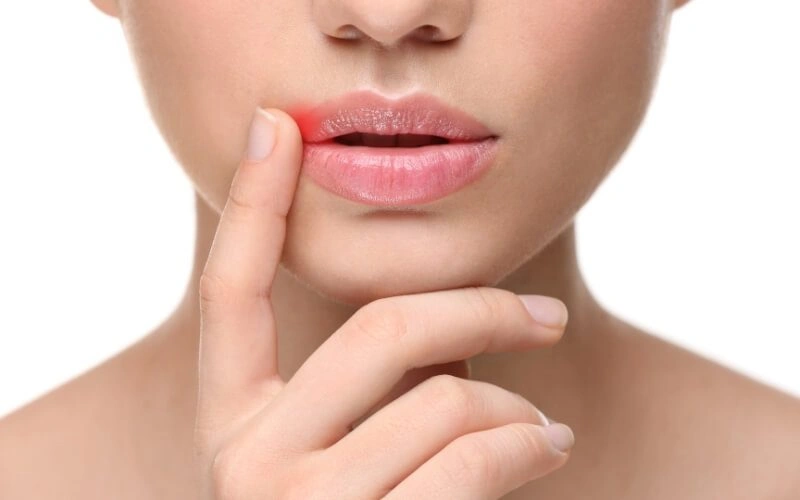
Also called herpes labialis or even a fever blister, cold sores are caused by the herpes simplex virus type 1 (HSV-1) and appear anywhere around the mouth, chin and nose. Sometimes very painfully inside the nose. Worldwide, it’s claimed that 90% of people have one form of the herpes virus; the other being type 2, spread by sexual contact and resulting in genital herpes.
Both types can be in either location. You can have both viruses, or one. Having one gives greater susceptibility for the other, although it’s not inevitable.
Such is the life of these two members of the human herpesviridae family, the hugely embarrassing ones everyone detests dropping in with no more than a cursory tingle before they’ve arrived.
The driving force for a virus isn’t so different to our own: it’s simply to exist.
Infectious ones engage in battle with the immune system, and if immunity is robust enough the invading infection is overwhelmed and eliminated. However some viruses – including herpes simplex – have evolved a hibernation state known as ‘viral latency’. These viruses have the ability to lie dormant in a host cells, hidden to the immune system. They can be there forever without causing disease, but they’re able to reactivate, create symptoms, and spread to a new host.
Like an drunk second cousin stupefied in the corner every Christmas until they suddenly awaken and go home with the next door neighbour.
A recently published white paper by New York University’s School of Medicine describes newly discovered details about how HSV-1 reawakens and the process in which it evades the immune system of the host to reproduce.
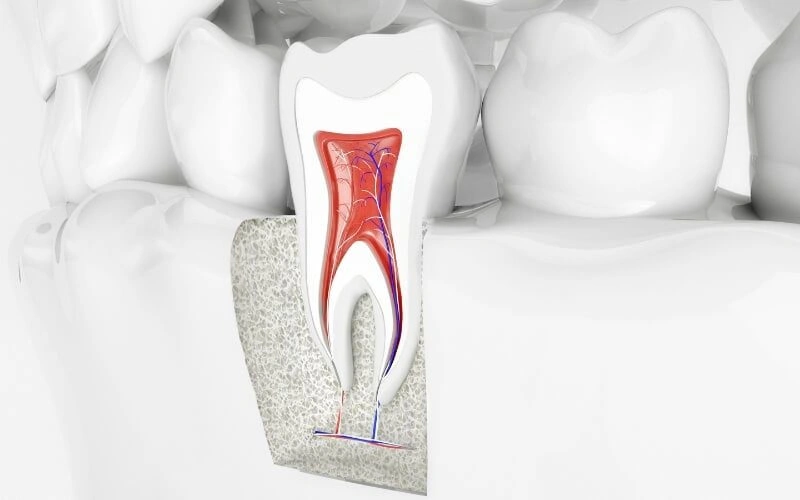
How viruses emerge from the sanctuary of where it burrows deeply into the base of brain has previously been poorly understood. Partly because it’s difficult to study the trigeminal ganglion in isolation – the place in the nerve cells where it takes up residence. It’s a cosy, stable area where it can remain undisturbed, unperturbed and in its latent state for years.

Neuroscientists and biologists consider the ganglion much like a tiny organ, in that it consists of a variety of cells, including the white blood cells that protect against both infectious disease and foreign bodies.
The research team applied a unique culturing technique that involved no other cells but neurons: it allowed study of the molecular circuitry and signalling without the interference or obstruction of other cells. It was a first; and it revealed something remarkable.
The instant stress kicks HSV-1 into action, it releases a flood of proteins that completely immobilise the immune response; effectively disarming it. It’s a finding with far-reaching implications for other pathogens with exhibited latency, like shingles, TB, chicken pox and even HIV. Understanding the procedure activation creates opens the way to new preventative measures for viruses like these that are lifelong and merely manageable, rather than curable. Currently, antiviral medications block the virus from replicating which eliminates symptoms, but they don’t eradicate the cause.
The endeavour of this research is to either remove the virus entirely, or seal it up permanently.
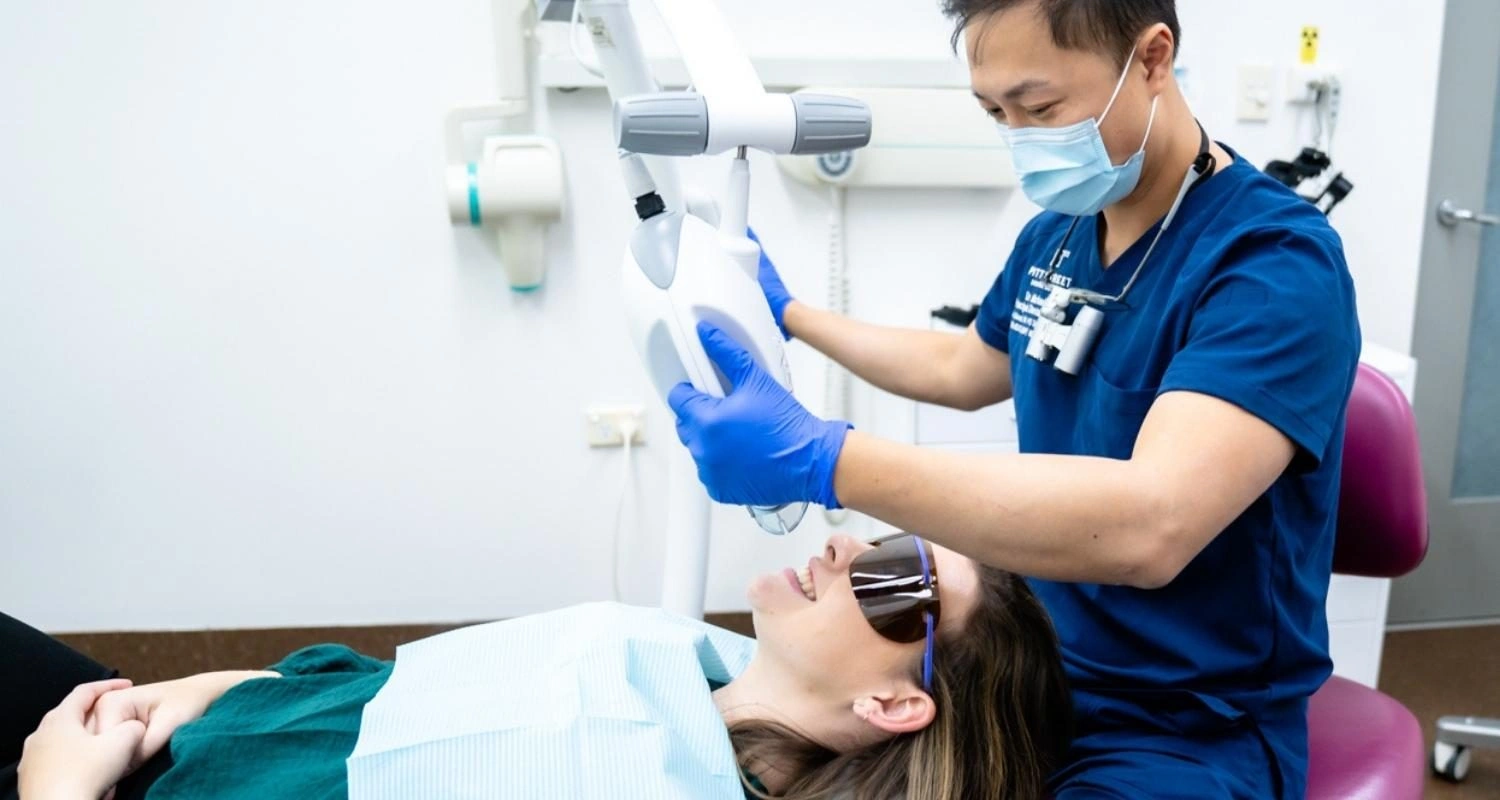
Certainly, there are many blood-borne pathogens, bacteria, airborne microbes that necessitate clinic lab coats, disposable gloves, approved eyewear with side shields, and strict cross-contamination protocols.
The oozing liquid of cold sores is highly transmissible, so make another appointment with your dentist if you have them. It’s gross not to, really. Aside from it making opening your mouth uncomfortable and prone to bleeding, the aerosols used in dental practices make the virus airborne. Not only does it expose clinicians, staff and other patients to standard infection symptoms, even with dental visors it’s possible to contract herpes of the eye, which can lead to permanently blurred vision and blindness.
Bet you didn’t see that coming.
So treat your previously booked dental appointment like any other date. Put it off until you’re at your blistering best, rather than just blistering.