Avoid smoking during the healing period as this can increase the risk of complications including implant failure
Dental Implants Sydney
What Are Dental Implants?

What Are Dental Implants?
If you have a missing tooth, a dental implant may be a suitable option to replace it.
This established dental treatment is an alternative to replacing a tooth with a bridge. Both options can address the appearance and function of missing teeth, though dental implants differ in that they stand independently without the need to alter surrounding teeth, which is typically required to hold a bridge in place.
Our experienced team at Pitt Street Dental Centre in Sydney CBD has placed many dental implants and will discuss whether this option may be right for you.
Premium Dental Implants in Sydney

All-Teeth-On-4 Implants
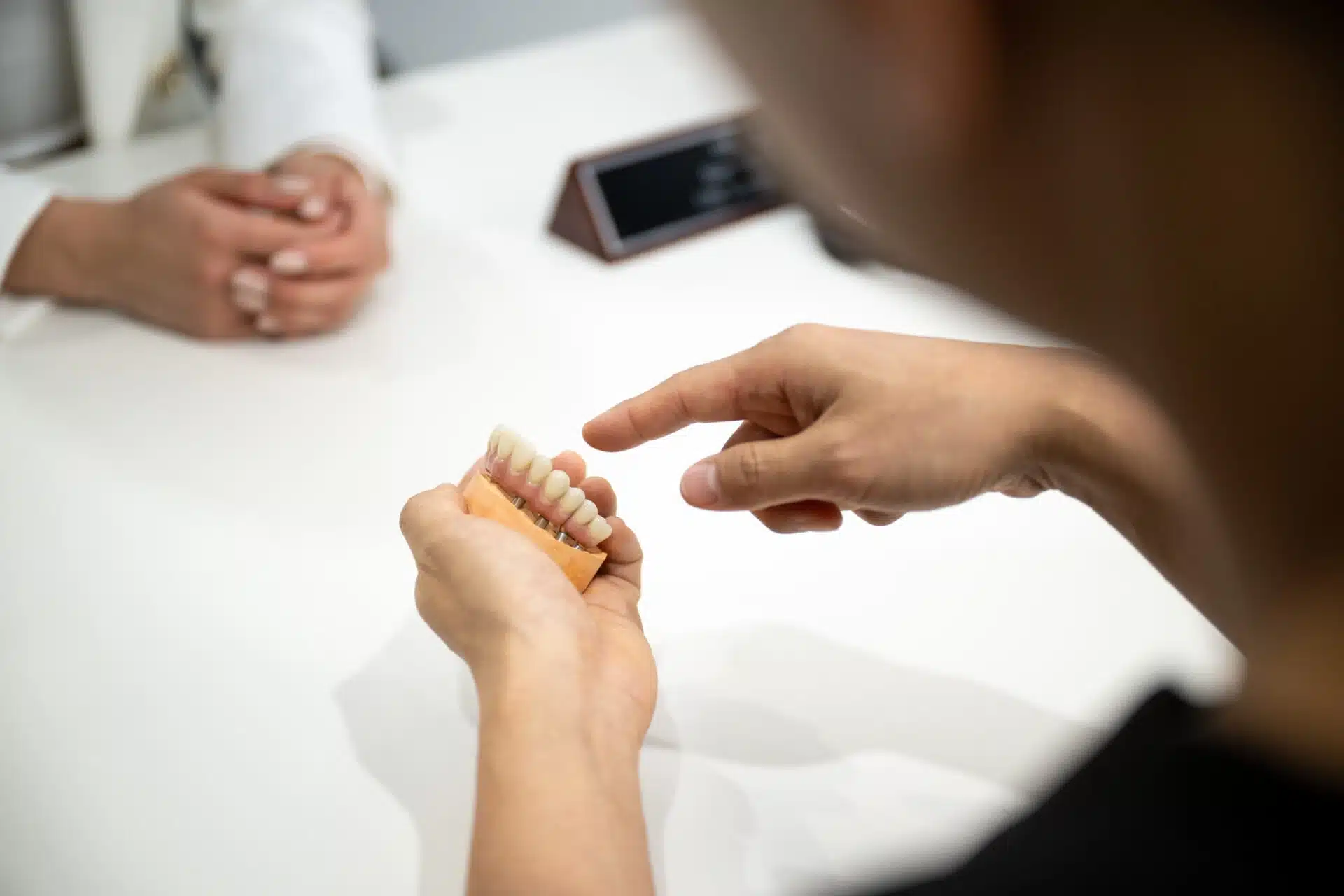
All-Teeth-On-4 is a dental implant solution in which four dental implants support a bridge used to replace an entire row of teeth. This treatment is an alternative to traditional bridges and dentures and may be suitable for patients with teeth that are severely damaged, decayed or already missing.
All-Teeth-On-4 may be worth considering for patients who find dentures difficult to manage, as implant-supported teeth are fixed in place and designed to function similarly to natural teeth. Our experienced team at Pitt Street Dental Centre in Sydney CBD can discuss whether All-Teeth-On-4 may be an appropriate option for your situation.
Same-Day All-On-4
Dr Cai removes failing teeth, places implants, and fits a fixed temporary prosthesis, all in one surgery. From $25,000 per arch, fully inclusive.
At Pitt Street Dental Centre, in suitable cases, Dr Cai attaches a fixed temporary prosthesis to your implants on the same day as surgery. It doesn’t come out. It doesn’t move. You eat soft food the same evening. You leave with teeth.
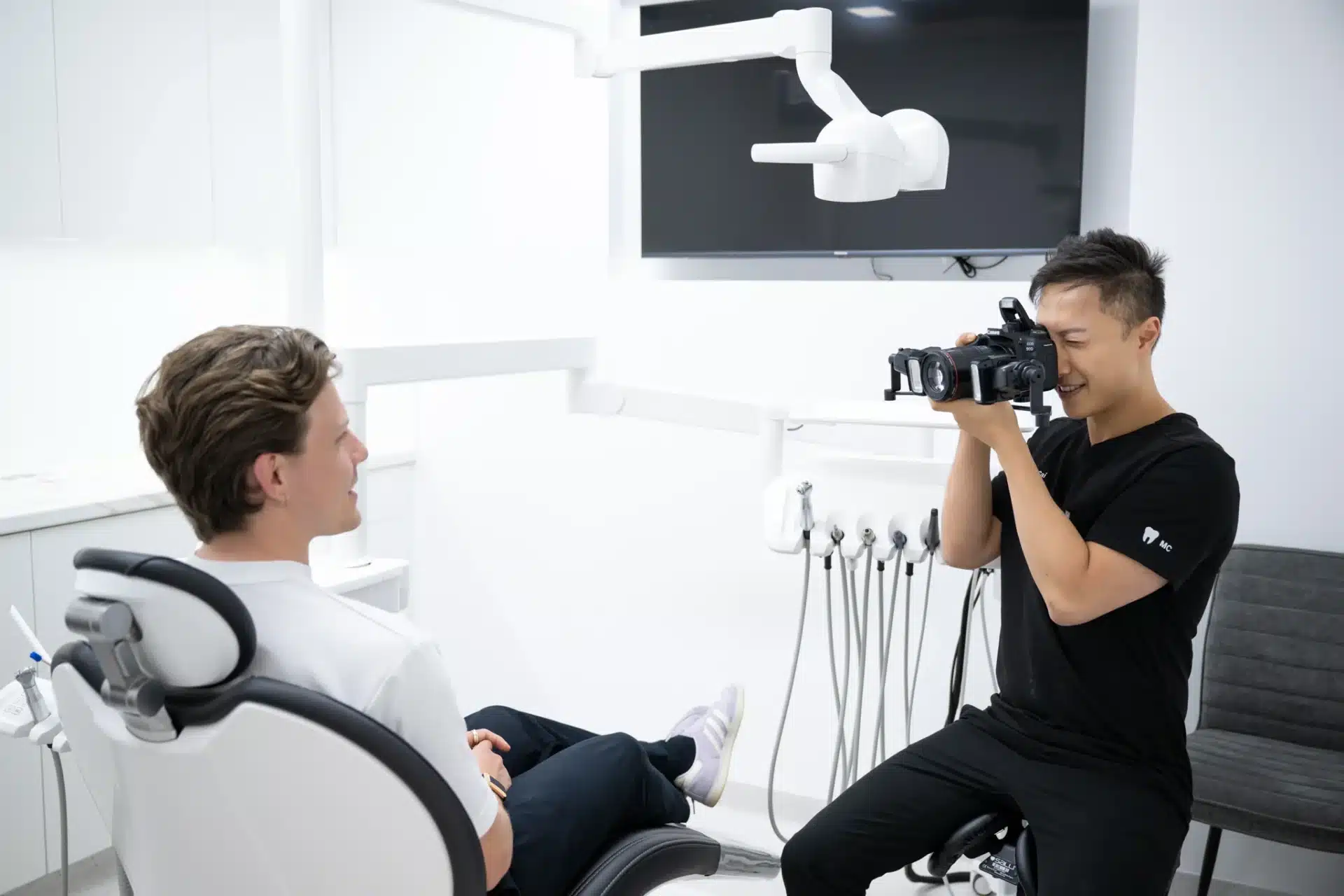
Same-Day Dental Implants
Orthodontics is the branch of dentistry that focuses on improving the alignment of teeth. Straighter teeth may support improved oral health and hygiene in addition to changes in dental appearance.
Our team at Pitt Street Dental Centre in Sydney CBD is passionate about improving our patients’ oral health. When you visit us for orthodontic treatment, you can expect professional, friendly and attentive care.

Pterygoid Implants
If you are facing significant bone loss in your upper jaw and traditional dental implants may not be suitable, pterygoid implants may provide a pathway to fixed teeth in certain cases, depending on individual assessment. These implants are designed to provide a stable foundation for teeth, and in some cases may reduce the need for extensive bone grafting procedures.
At Pitt Street Dental Centre in Sydney CBD, we offer pterygoid implants as part of our range of treatment options for patients with complex upper jaw bone loss.

Zygomatic Implants
For patients with severe bone loss in the upper jaw where traditional dental implants may not be feasible, zygomatic implants may offer an alternative pathway to fixed teeth.
These implants are anchored in the cheekbone and, in suitable cases, may reduce the need for complex bone grafting procedures.
At Pitt Street Dental Centre in Sydney CBD, we offer zygomatic implants as part of our range of treatment options for patients with complex upper jaw bone loss.
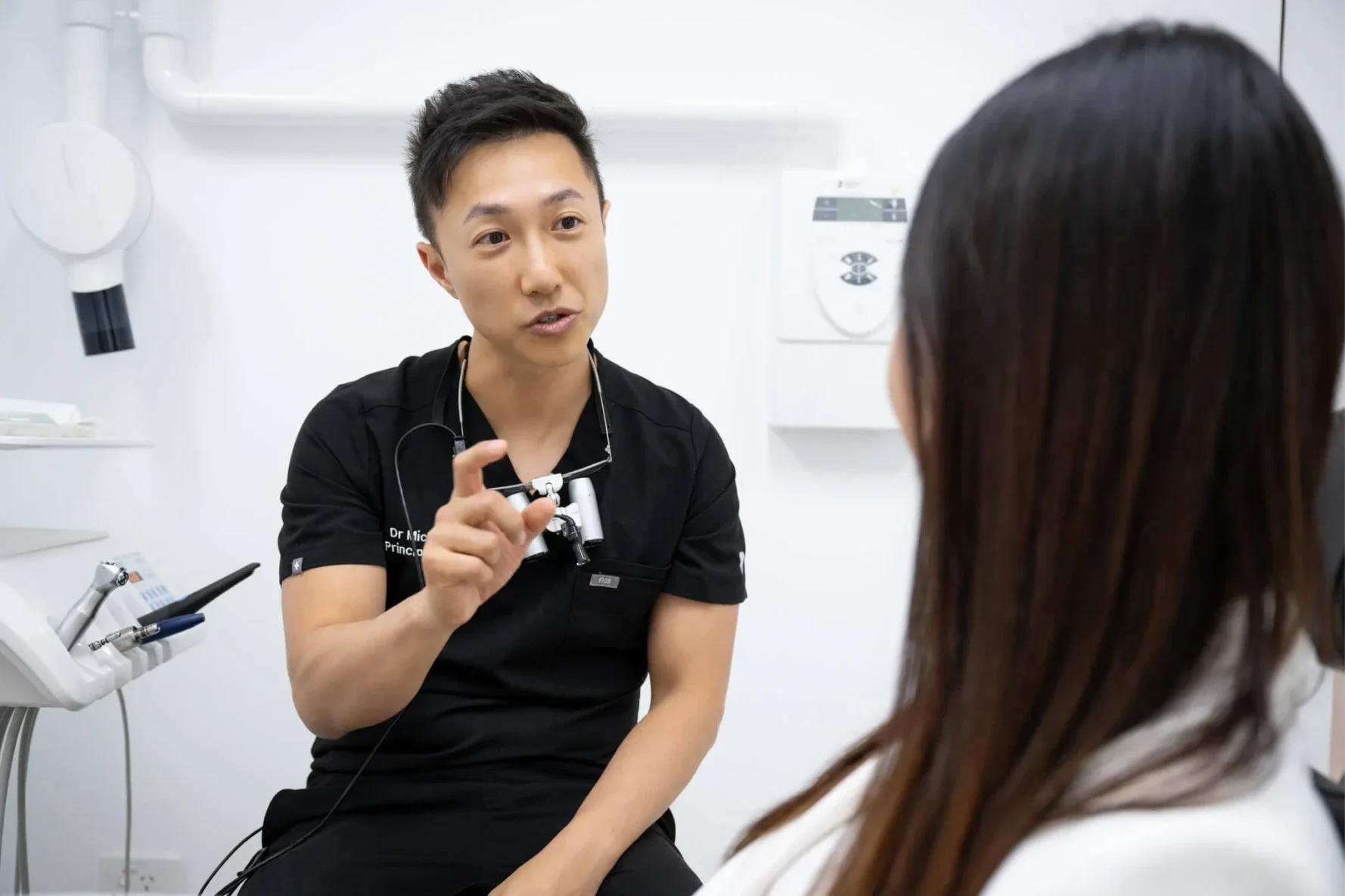
Zygomatic and Pterygoid Implants
Zygomatic and pterygoid implants are advanced graftless solutions for patients with severe upper-jaw bone loss, failed bone grafts, or who’ve been turned away elsewhere. Dr Michael Cai works with a leading oral and maxillofacial surgeon to deliver these procedures in a private hospital theatre in Sydney.
Zirconia Implants
If you are looking for a metal-free option to replace a missing tooth, a zirconia dental implant may be worth discussing. Made from strong, biocompatible ceramic, zirconia implants are a modern alternative to traditional titanium implants. They are designed to offer similar function and stability, with a white, tooth-coloured finish intended to complement the appearance of natural teeth.
Zirconia is corrosion-resistant and may be well tolerated by surrounding tissues. It may be worth considering for patients with sensitivities or metal allergies, though suitability is determined on an individual basis following assessment. At Pitt Street Dental Centre in Sydney CBD, we offer zirconia implants as part of our commitment to personalised dental care.
Dental Implant Technology
When a tooth goes missing, typically only the visible part is replaced. Dental implants are designed to replace both the tooth and the root, which is the part of the tooth that sits beneath the gum line. Replacing the tooth root may help reduce the risk of concerns such as jawbone shrinkage and shifting teeth over time.
A dental implant is a comprehensive option that addresses the entire tooth structure, with the aim of closely replicating the form and function of a natural tooth.
The dental implant is a titanium post placed into the jawbone to take the place of the missing tooth root. Through a process called osseointegration, bone and tissue form around the post over time. Once healing is complete, a dental crown is placed onto the post, designed to look and function similarly to a natural tooth. Individual outcomes vary and your dentist will discuss realistic expectations with you.
What Are The Benefits of Dental Implants from Our Sydney CBD Clinic?
Dental implants offer a range of potential benefits, including replacing teeth with a solution designed to look, function and feel like natural teeth. They are long lasting and may support everyday activities such as eating and speaking that can be affected by missing teeth.
Some potential benefits of dental implants include:

Replacing the entire tooth along with its root
Osseointegration may help keep the jawbone intact
May slow jawbone shrinkage associated with tooth loss
May help maintain facial bone structure by reducing bone loss
Titanium post is biocompatible with human tissue
Implant crown can be brushed like a natural tooth
Brush a dental implant crown just like your natural tooth
Addresses gaps left by missing teeth
Candidates for a Dental Implant
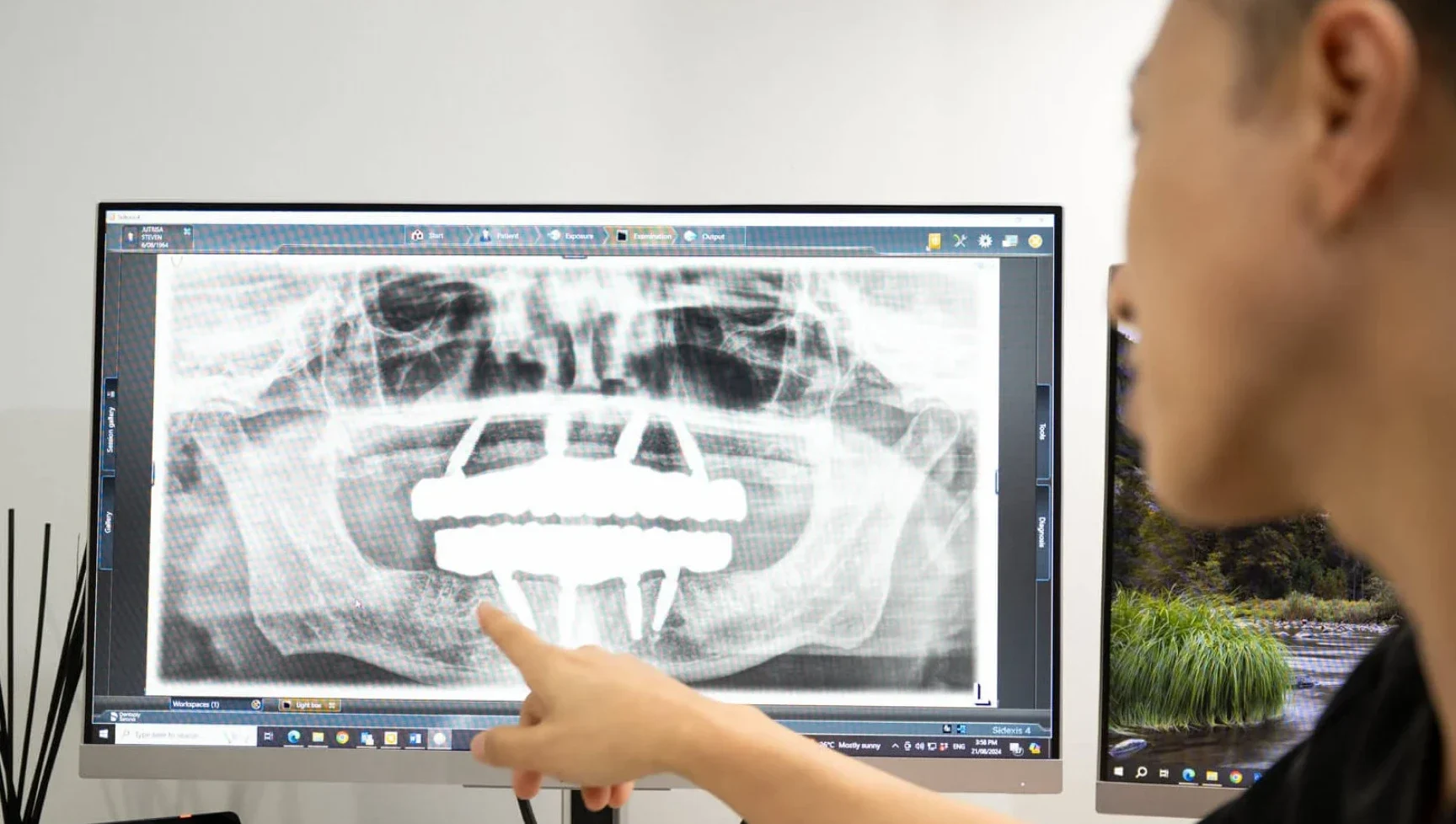
A dental implant is a commonly chosen option to replace a missing tooth. Because the procedure involves placing a post into the jawbone, there are clinical requirements that need to be met. These are assessed on an individual basis.

Bone health Sufficient healthy bone is required for osseointegration to take place. The jawbone where the implant will be placed must be strong enough to support the implant and heal around it. We carry out a full assessment to evaluate bone health prior to treatment with dental implants Sydney locals trust. If you have previously been advised that you are not suitable for an implant due to bone loss, a bone graft may be worth discussing.
Gum health Healthy gum tissue supports healing around the implant. Conditions such as gingivitis and periodontitis need to be addressed before implant placement can be considered. We can discuss treatment for gum disease, and once your gums have healed, we will reassess whether an implant may be appropriate.
Oral hygiene A commitment to ongoing oral hygiene is important to support the longevity of the implant and crown, and to support healing following the procedure.
Bruxism Teeth grinding may affect implant healing and long-term implant health. If you grind your teeth, let us know so we can discuss options. Treatments such as mouth guards may help protect the implant and surrounding teeth.
Patient Results
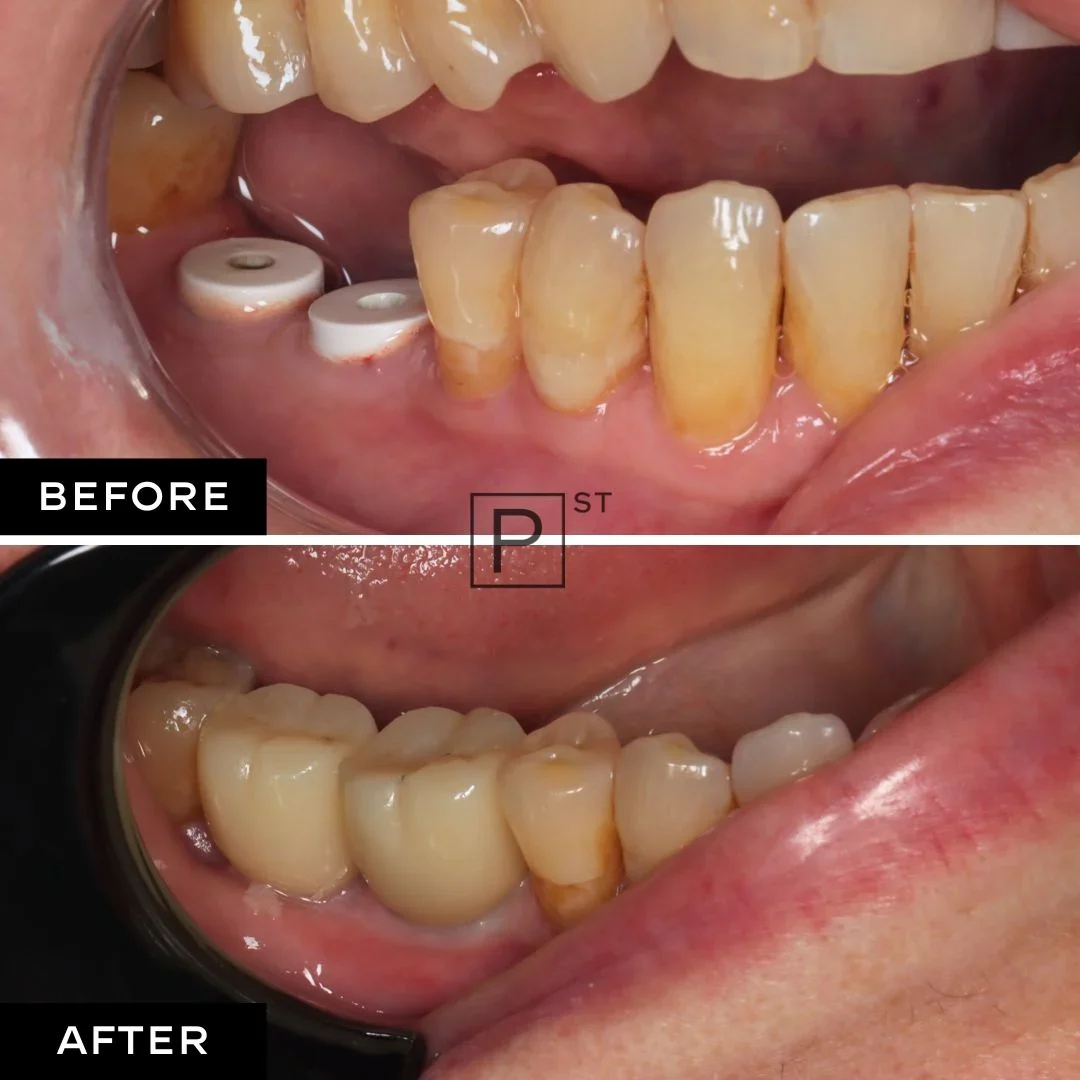
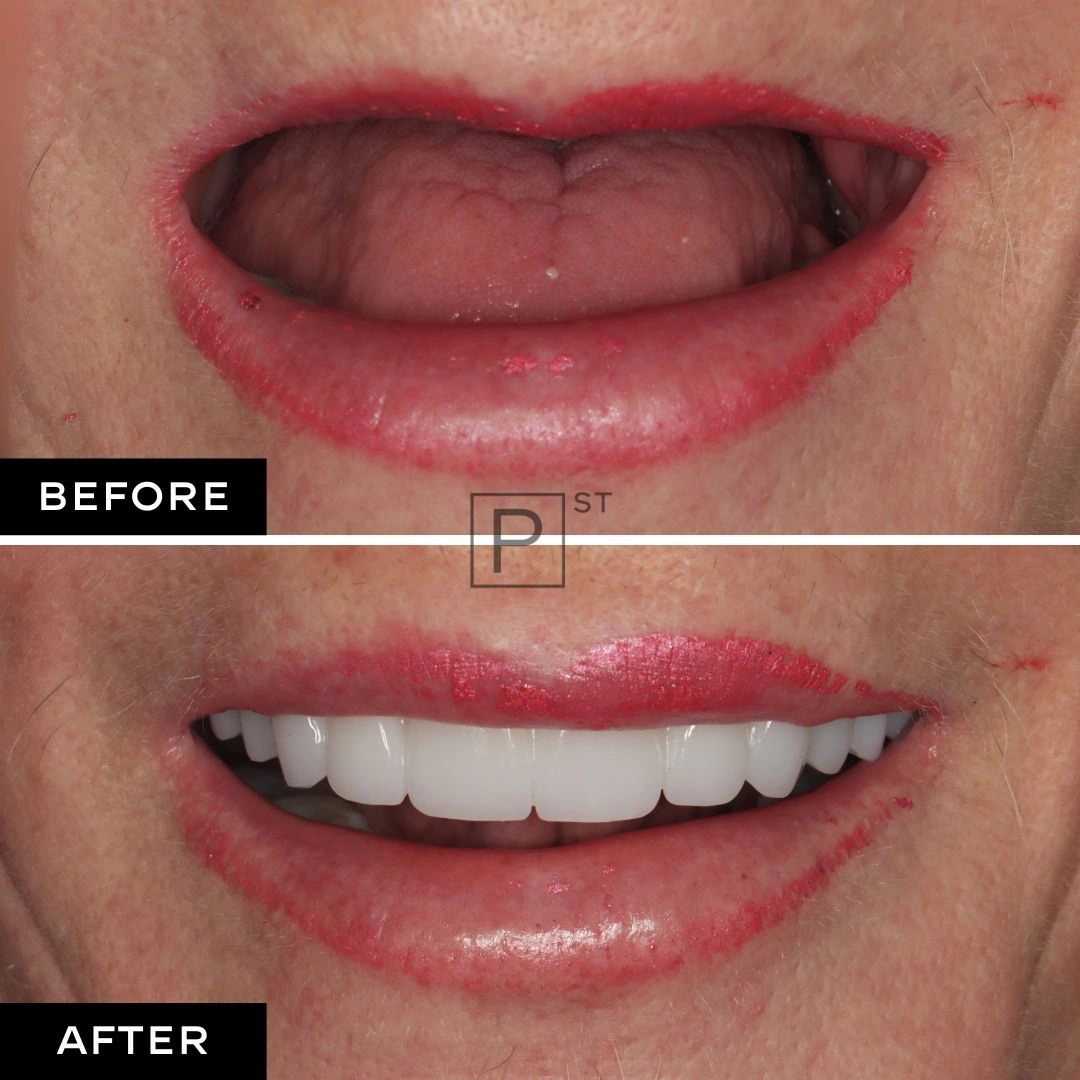
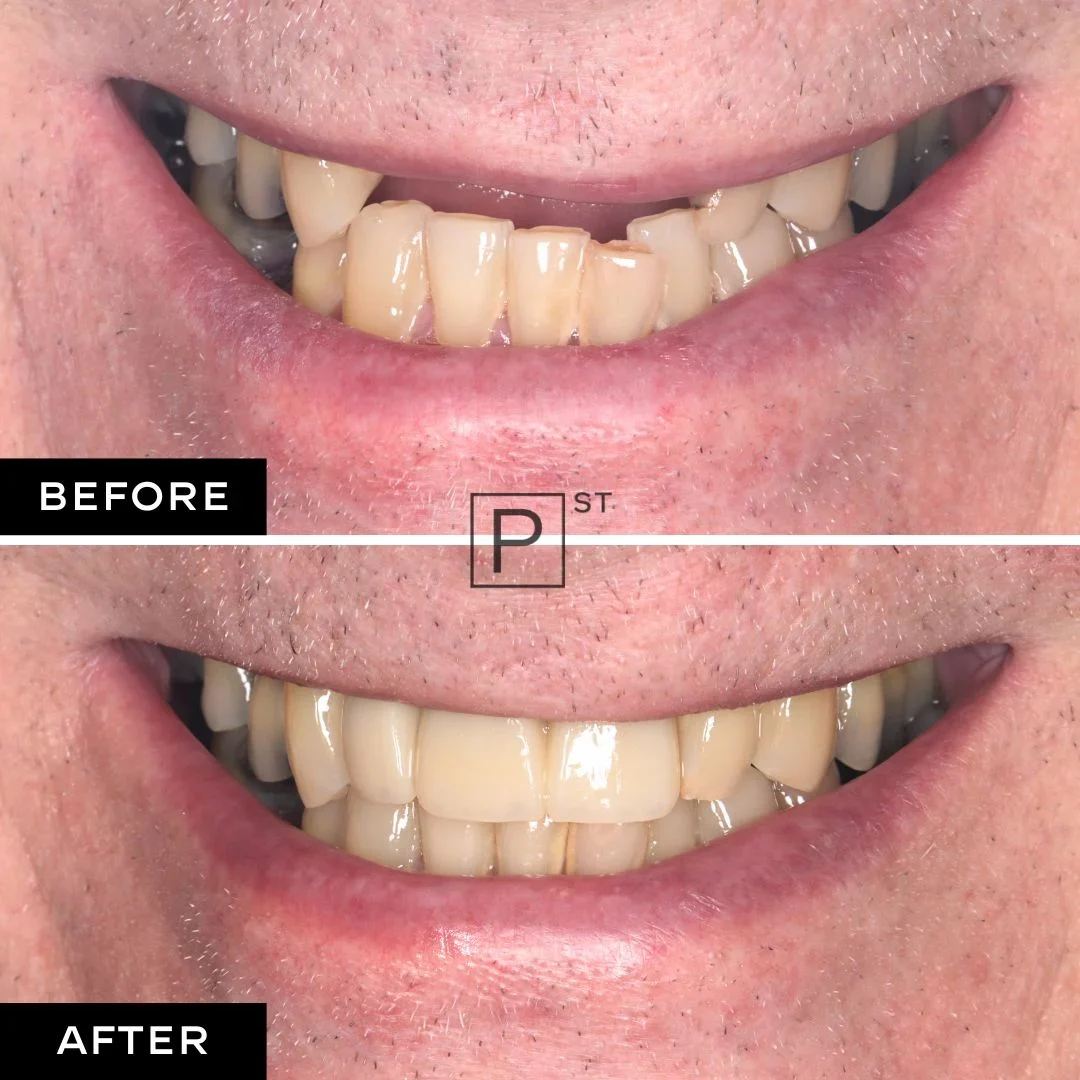
Warning: The ‘before’ and ‘after’ images shown are of a real patient of our clinic. These images are for illustrative purposes only and do not represent the results that all patients can expect. Results vary depending on individual circumstances, and all surgical and cosmetic procedures carry risks.
Disclaimer: The outcomes shown are only relevant for this patient and do not necessarily reflect the results other patients may experience.
Getting a Dental Implant
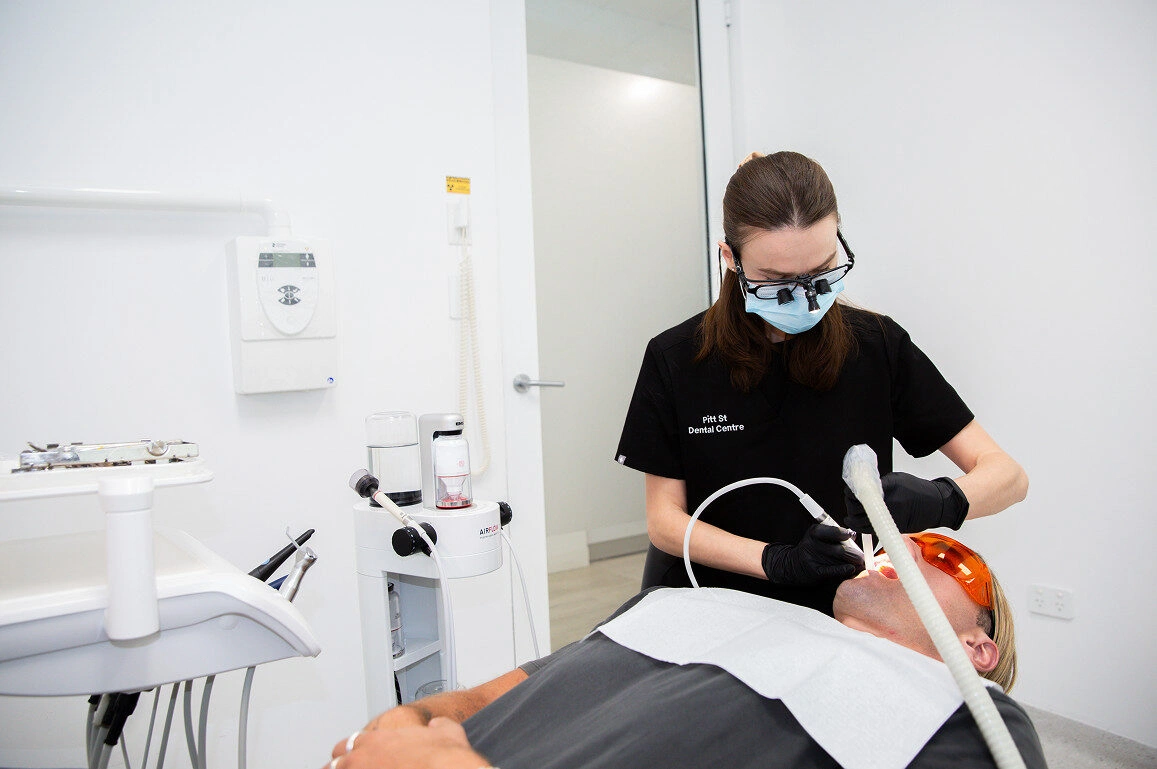
There are two phases of treatment for getting dental implants.

Phase 1: Placing the Implant
During this phase, the titanium post is placed into the jawbone under local anaesthetic. You will then be given specific instructions on caring for the implant site and what to expect during the healing period. Your dentist will provide an estimate of healing time before scheduling the next phase of treatment.

Phase 2: Securing the Abutment and Crown
Once sufficient healing has taken place, the abutment and crown will be placed onto the implant. Your dentist will first place a small connector post called an abutment onto the implant, then take impressions of your teeth to create your crown. A follow-up appointment will be scheduled to secure the crown onto the implant and abutment. Your dentist will confirm when this stage is appropriate based on your healing progress.
Risks & Recovery
Dental implants are a long-term option for replacing missing teeth, but they involve surgery and carry specific risks and recovery considerations.
Possible risks may include:
- Swelling, bruising or discomfort after surgery
- Minor bleeding during the initial healing period
- Infection at the implant site, though uncommon
- Risk of implant failure if integration with the bone does not occur
- Nerve injury or sinus involvement, depending on implant position
- Higher risk of failure if you smoke or vape
Recovery considerations:
- Initial healing generally takes one to two weeks
- Osseointegration, where the implant fuses with bone, can take several months
- A soft diet is often recommended during early healing
- Regular reviews and good oral hygiene are important for long-term success
Download Our Price List

Download Our Price List
We take great pride in providing a tailored treatment experience. Everyone’s dental needs are different, which is why we discuss options that are relevant to your specific situation and goals.
Frequently Asked Questions
What is the recovery time after implant surgery?
Most patients return to light activities within a few days. Swelling, bruising and tenderness are common following the procedure and gradually improve over time. Full healing, including osseointegration, can take several months. Individual recovery experiences vary and your dentist will discuss what to expect for your specific situation.
Does the implant procedure hurt?
The procedure is carried out under local anaesthetic, so most patients experience pressure and sensation rather than pain during surgery. Mild soreness and swelling in the days following are normal and well managed with prescribed or over-the-counter pain relief. Sedation options are available if you prefer to be less aware of the procedure.
Am I a candidate for a dental implant?
Most adults in good general health with sufficient jaw bone are suitable candidates. Bone volume, gum health, and medical history are assessed at your consultation using a 3D CBCT scan. If bone loss is present, grafting options will be discussed, and your dentist will give you an honest assessment of your suitability.
How long do dental implants last?
Implant fixtures are designed as a long-term solution, with published data supporting high survival rates in appropriately selected cases. The crown attached to the implant may require replacement over time depending on wear. Individual results vary and are influenced by oral hygiene, lifestyle, and regular professional maintenance.
How do I care for my implant?
Implants are maintained in much the same way as natural teeth. Twice-daily brushing, daily interdental cleaning, and regular professional check-ups help protect both the implant and the surrounding gum and bone tissue. Your dentist will recommend any specific cleaning aids suited to your restoration at follow-up appointments.
What is the difference between an implant and a bridge?
An implant replaces the root of a missing tooth with a titanium fixture, supporting a crown that functions independently of adjacent teeth. A bridge spans the gap by anchoring to the natural teeth on either side, which must be prepared to support the restoration. Your dentist will discuss which option is most appropriate based on your clinical situation.
Will I have a gap while the implant heals?
A temporary restoration is often provided during the healing period so you are not left without a tooth in the interim. The type of temporary used depends on the location of the implant and the clinical situation. Your dentist will discuss the options available before treatment begins.
What happens if a missing tooth is not replaced?
When a tooth is lost, surrounding teeth can drift or tilt into the space over time, affecting bite alignment and increasing the risk of decay and gum problems. The underlying jaw bone also begins to resorb without the stimulation a tooth root provides. Early replacement helps preserve the surrounding teeth and bone structure.
After-Care for Your Dental Implant
Dental implant placement involves a surgical procedure and it is normal to experience some discomfort and swelling afterward. You will be given specific aftercare instructions for your situation. The following are general guidelines that may apply across both phases of treatment:
We assess all patients prior to treatment to determine suitability and to help reduce the risk of complications. As with any surgical procedure, risks exist and your dentist will discuss these with you in detail before proceeding.
Book a Consultation Today
Contact us to arrange a consultation. We can assess whether a dental implant may be suitable for you and, if not, discuss other options that may help address your missing tooth.
DISCLAIMER: The material posted is for informational purposes only and is not intended to substitute for professional medical advice, diagnosis or treatment. Results vary with each patient. Any dental procedure carries risks and benefits. If you have any specific questions about any dental and/or medical matter, you should consult your dentist, physician or other professional healthcare providers.
* Based on 24 months repayments, subject to credit check and finance approval, excludes fees and charges
Medically Reviewed by Dr Michael Cai
Last Reviewed: February 17, 2026
INSIGHTS & INSPIRATION
Dr Michael – Follow Up Implant Review with Patient Pamela
Am I Too Old For Getting Dental Implants?
The Lab and the Technician
The Five Myths
INSIGHTS & INSPIRATION
Watch MoreCELEBRATED SMILES
A gallery of memorable moments with beautiful patients who trust us with their smiles.