Dental veneers are one of the most commonly requested cosmetic dental treatments in Sydney. If you’re considering veneers, understanding what they actually involve (including the permanent nature of tooth preparation, potential risks, and realistic outcomes), matters more than looking at before-and-after photos.
At Pitt Street Dental Centre in Sydney CBD, Dr Michael (DEN0001393837) has placed veneers for patients across various cases, from minor refinements to comprehensive aesthetic treatments. Important to understand from the start: veneers require permanent removal of tooth enamel, cannot be reversed, and individual results depend on your starting point and oral health. Not all outcomes are achievable for all patients.
What Veneers Actually Are
Veneers are thin shells (typically 0.5-1mm thick) that bond to the front surface of your teeth. They’re custom-made to either match your natural teeth or create a different aesthetic, depending on your goals.
Two main types exist:
Porcelain veneers are crafted by a ceramist using layers of dental porcelain. With proper maintenance, they typically last 10-15 years. Porcelain resists staining better than composite materials and can mimic natural tooth enamel’s light-passing properties, though individual results vary.
Composite veneers are made from tooth-coloured resin applied directly to your teeth during one appointment. They’re faster to place and less expensive. However, they stain more easily and typically last 5-7 years instead of 10-15.
Both options require tooth preparation, though composite veneers generally need less enamel removal than porcelain veneers.
What Veneers Can and Cannot Address
Veneers address aesthetic concerns, not structural damage or oral health problems. Here’s what they may help with:
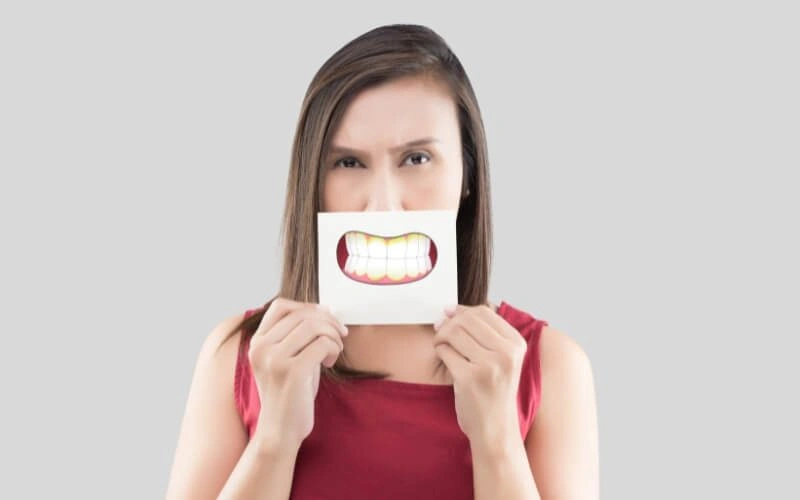
Discolouration: If your teeth are stained from coffee, tea, wine, or certain medications, veneers provide a more consistent colour. Whitening treatments can fade over time, whereas veneers maintain their colour (though they can still stain around the edges if not maintained properly).
Chips and minor cracks: Surface damage to front teeth can be covered with veneers, which may help protect the tooth from further wear.
Gaps: Small to moderate gaps between teeth can be closed using veneers without orthodontics, though this approach doesn’t address underlying tooth position.
Irregular tooth shapes: If your teeth are naturally small, uneven, or irregular, veneers can create more uniformity.
Mild misalignment: Veneers can make slightly misaligned teeth appear straighter by covering them with a more aligned shape. However, for significant misalignment, orthodontics (braces or Invisalign) addresses the actual tooth position.
Veneers cannot fix severe decay, gum disease, or major bite problems. These issues need treatment before considering veneers.
The Veneer Process in Sydney
Getting veneers typically requires 2-3 appointments over several weeks. Here’s what to expect:
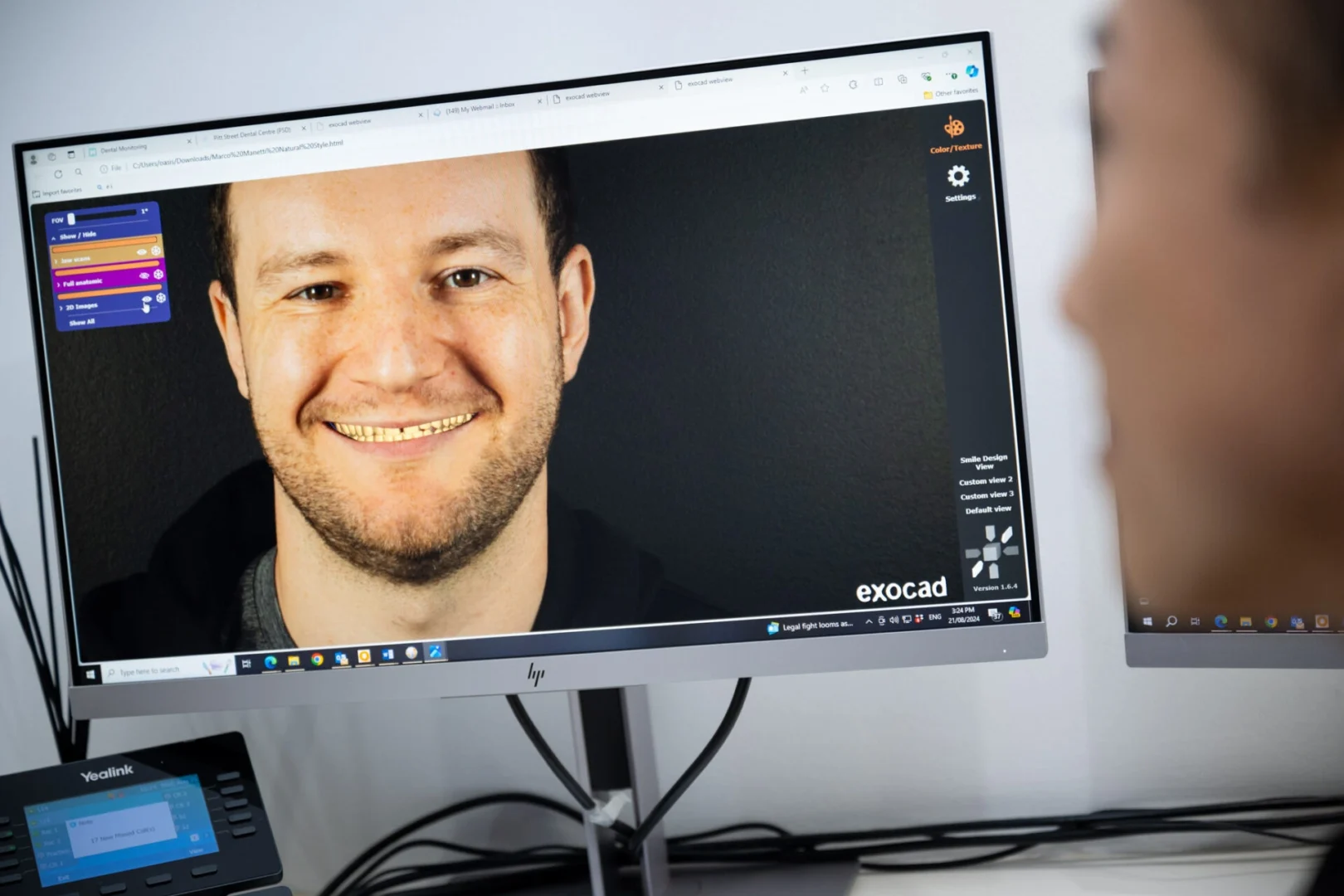
Consultation (60-90 minutes): We discuss your goals, examine your teeth and gums, take digital scans and photos, and create previews using digital smile design. You’ll see potential outcomes before committing. This consultation is complimentary at our Sydney CBD practice. We’ll also discuss risks: tooth sensitivity after preparation, the permanent nature of enamel removal, potential need for replacement in the future, and maintenance requirements.
Preparation appointment (1-2 hours): Dr Michael prepares your teeth by removing a thin layer of enamel (approximately the same thickness as the veneer itself). This step is permanent and irreversible—your teeth will always need veneers or crowns after this. We take impressions and place temporary veneers while your custom porcelain veneers are being fabricated.
Placement appointment (1-2 hours): We remove the temporaries, bond your custom veneers, adjust your bite, and polish. You leave with your final result.
Between preparation and placement, the ceramist crafts your veneers to match your specifications. This takes 1-2 weeks and cannot be rushed without potentially compromising the result.
Let’s Be Real About Costs and Value
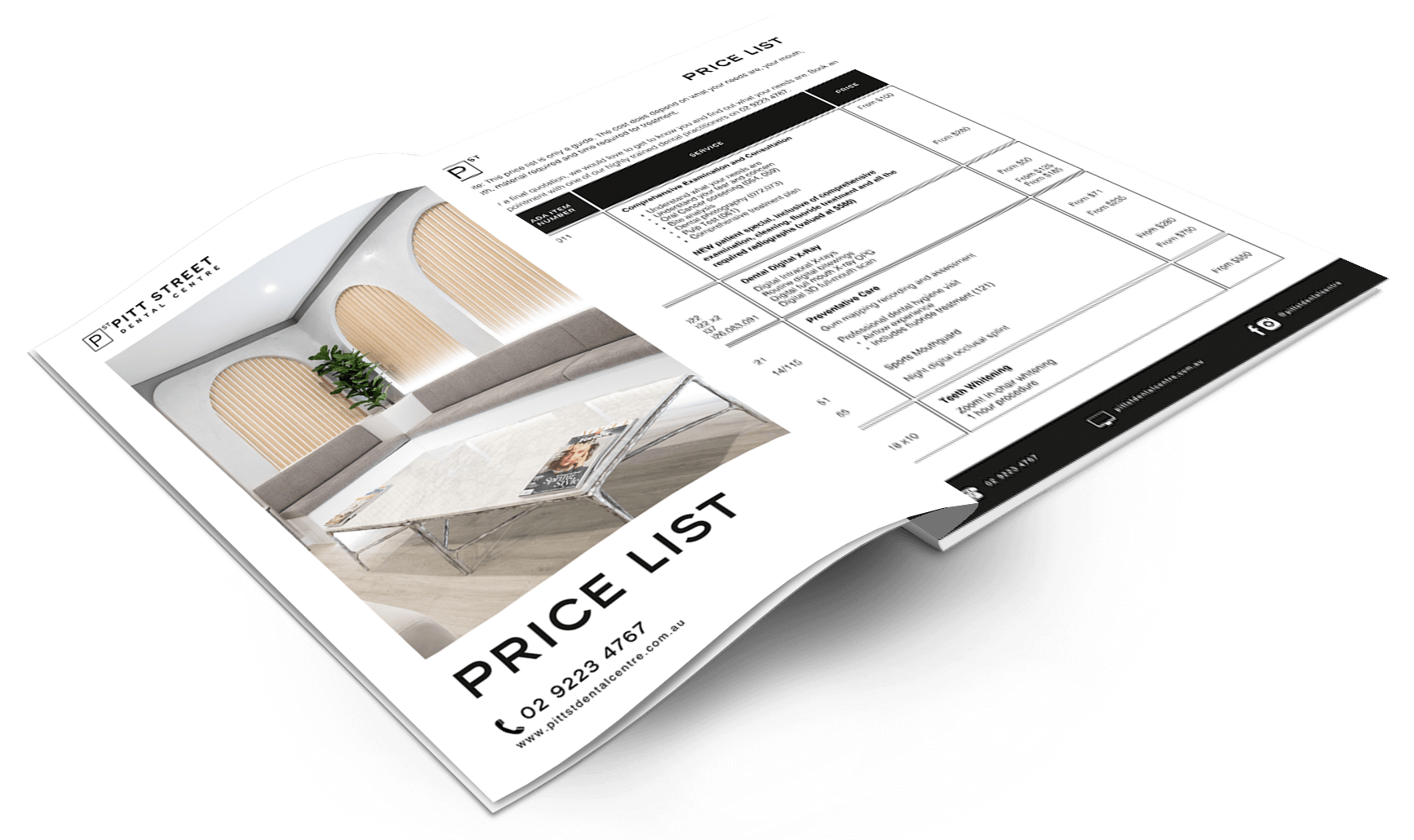
Veneers represent a significant investment. Pricing varies based on the number of teeth treated, veneer type (porcelain vs. composite), and case complexity. For detailed pricing information, download our comprehensive price guide from our website.
At Pitt Street Dental Centre, we offer payment plans through Afterpay, Zip, humm, SuperCare, and DentiCare. Some private health funds provide partial coverage if veneers are restoring damaged teeth rather than purely cosmetic.
The value equation depends on your priorities. Veneers don’t last forever. You’ll likely need replacement at some point. Consider this when deciding if the investment aligns with your goals.
Choosing a Dentist for Veneers in Sydney
Skill levels vary among dentists offering veneers. Here’s what to evaluate:
Training and experience: Veneers require understanding of proportions, symmetry, and colour matching. Ask about the dentist’s training in cosmetic dentistry and request to see before-and-after photos of previous cases. Dr Michael has completed postgraduate qualifications in digital orthodontics and has extensive experience working with patients seeking aesthetic improvements.
Technology: Digital smile design, CEREC systems, and 3D imaging improve planning precision and allow you to preview potential results. We use these tools at our Sydney CBD practice.
Communication: A good dentist listens to what you want and provides honest information about what’s achievable. If you feel pressured towards treatment without understanding why it’s recommended, that’s worth noting.
Registration details: For higher-risk cosmetic procedures like veneers, verify the dentist’s AHPRA registration. Dr Michael’s registration number is DEN0001393837.
Common Misconceptions About Veneers
“Veneers look unnatural.” Veneers can be made to look natural or brighter, depending on your preferences. The result depends largely on the dentist’s skill and your collaboration during the planning process.
“Veneers damage your natural teeth.” Veneers require removing a thin layer of enamel, which is permanent. However, when done appropriately, this preparation preserves tooth structure while allowing the veneer to bond properly.
“Veneers require special maintenance.” Veneers need the same care as natural teeth: brushing, flossing, and regular dental check-ups. Avoid biting hard objects (ice, pens) and consider a nightguard if you grind your teeth, as grinding can damage veneers.
Why Choose Pitt Street Dental Centre?
We’re recognised as one of Sydney’s established cosmetic dentistry practices, with media coverage and experience treating patients across Sydney. However, recognition doesn’t guarantee results, as individual outcomes depend on your specific situation.
Our Sydney CBD location (Level 2, 70 Pitt Street) provides convenient access for professionals. We’re open late on Tuesdays, Thursdays, and Fridays (until 8 PM). The practice includes spa-like amenities: aromatherapy, candles, and complimentary drinks in our reception lounge.
We offer complimentary consultations, transparent pricing discussions, and payment plans. For patients with dental anxiety, twilight sedation options are available with visiting dental sedationists.
What You Must Understand Before Proceeding
Veneers are permanent. Once enamel is removed, it cannot grow back. Your teeth will always need veneers or crowns. This is not reversible.
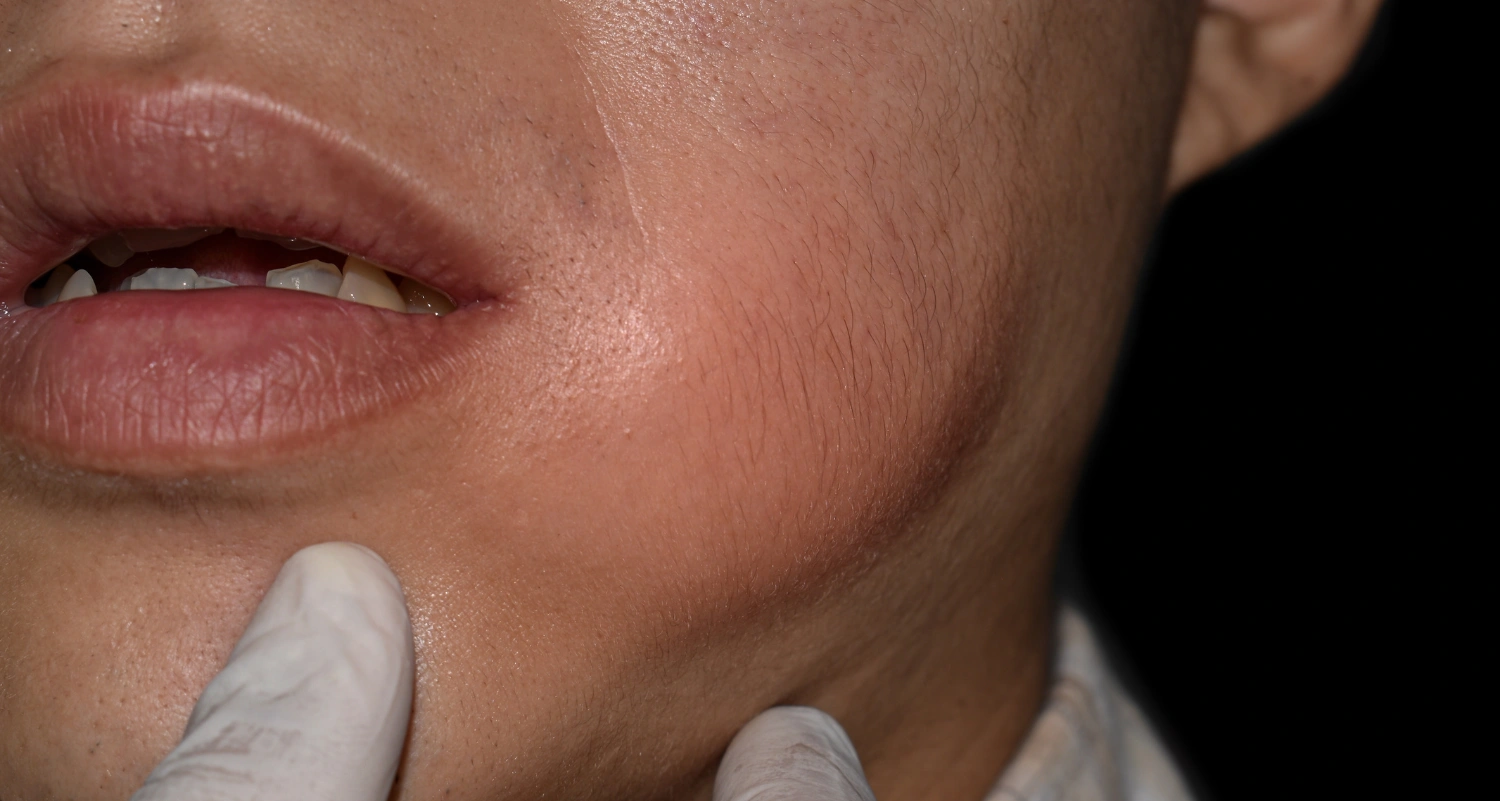
All cosmetic procedures carry risks: tooth sensitivity, potential damage to underlying teeth, aesthetic results that may not match expectations, need for replacement over time. These risks apply even when procedures are performed correctly.
Recovery typically involves sensitivity for several days to weeks after tooth preparation. Some patients experience ongoing sensitivity. Not everyone is a suitable candidate for veneers.
If you’re considering veneers, start with an honest conversation about your goals, your oral health, and whether veneers are suitable for your situation. Book a complimentary consultation with us to discuss options and get complete information about what’s involved.