Ask most people how often adults should visit the dentist, and you’ll get a confident answer: every six months. It’s one of those “everyone knows” facts that gets repeated so often it feels like universal truth. But here’s something that might surprise you: the six-month rule isn’t based on robust scientific evidence, and adult dental check-up frequency should probably be more individualised than that.
The twice-yearly dental visit has been standard advice for decades, but modern dentistry increasingly recognises that different people need different schedules. Some adults genuinely benefit from check-ups every three or four months, while others might be perfectly fine stretching to nine or twelve months between visits.
Understanding what determines your ideal adult dental check-up frequency helps ensure you’re getting appropriate care without either over-treating or under-maintaining your oral health.
Where the Six-Month Standard Came From
The six-month recommendation wasn’t derived from comprehensive studies showing this specific interval prevents dental problems optimally. Rather, it emerged as a reasonable general guideline that worked reasonably well for many people and was easy to remember.
Recent systematic reviews examining optimal adult dental check-up frequency have found insufficient evidence to support a universal six-month interval for everyone. What research actually shows is that check-up frequency should be individualised based on risk factors, oral health status, and personal circumstances.
This doesn’t mean six months is wrong – for many adults, it remains appropriate. It simply means blanket recommendations don’t account for significant variation in people’s oral health needs.
Factors That Influence Your Ideal Schedule
Rather than adhering rigidly to six-month intervals, adult dental check-up frequency should consider multiple factors specific to your situation.
Current Oral Health Status: People with active gum disease or multiple cavities typically benefit from more frequent monitoring. Those with excellent oral health may not require such frequent visits.
Personal Risk Factors: Diabetes, smoking, dry mouth, and immunosuppression all warrant more frequent check-ups. People without these risk factors may need less frequent monitoring.
Previous Dental History: If you’ve had extensive dental work or frequent cavities, more regular check-ups help catch problems early. Someone with decades of stable oral health might safely extend intervals.
Oral Hygiene Practices: Meticulous brushers and flossers who rarely accumulate tartar might not need professional cleaning as frequently as those who struggle with consistent home care.
Recommended Frequency Ranges
While individual circumstances vary, general guidance exists for different adult dental check-up frequency needs.
Every 3-4 Months: Appropriate for people with active gum disease requiring periodontal maintenance, high cavity rates, compromised immune systems, or anyone managing significant dental problems.
Every 6 Months: Remains appropriate for many adults as a baseline. This interval works well for people with good oral health, manageable risk factors, and no active dental issues.
Every 9-12 Months: May be suitable for adults with excellent oral health, minimal risk factors, meticulous home care, and a history of dental stability. However, this should be based on professional assessment rather than personal preference.
Your dentist can recommend appropriate adult dental check-up frequency based on assessment of your individual circumstances. This recommendation may change over time as your oral health status or risk factors evolve.
What Happens During Check-Ups
Understanding what comprehensive dental check-ups involve helps explain why regular visits matter, regardless of specific frequency.
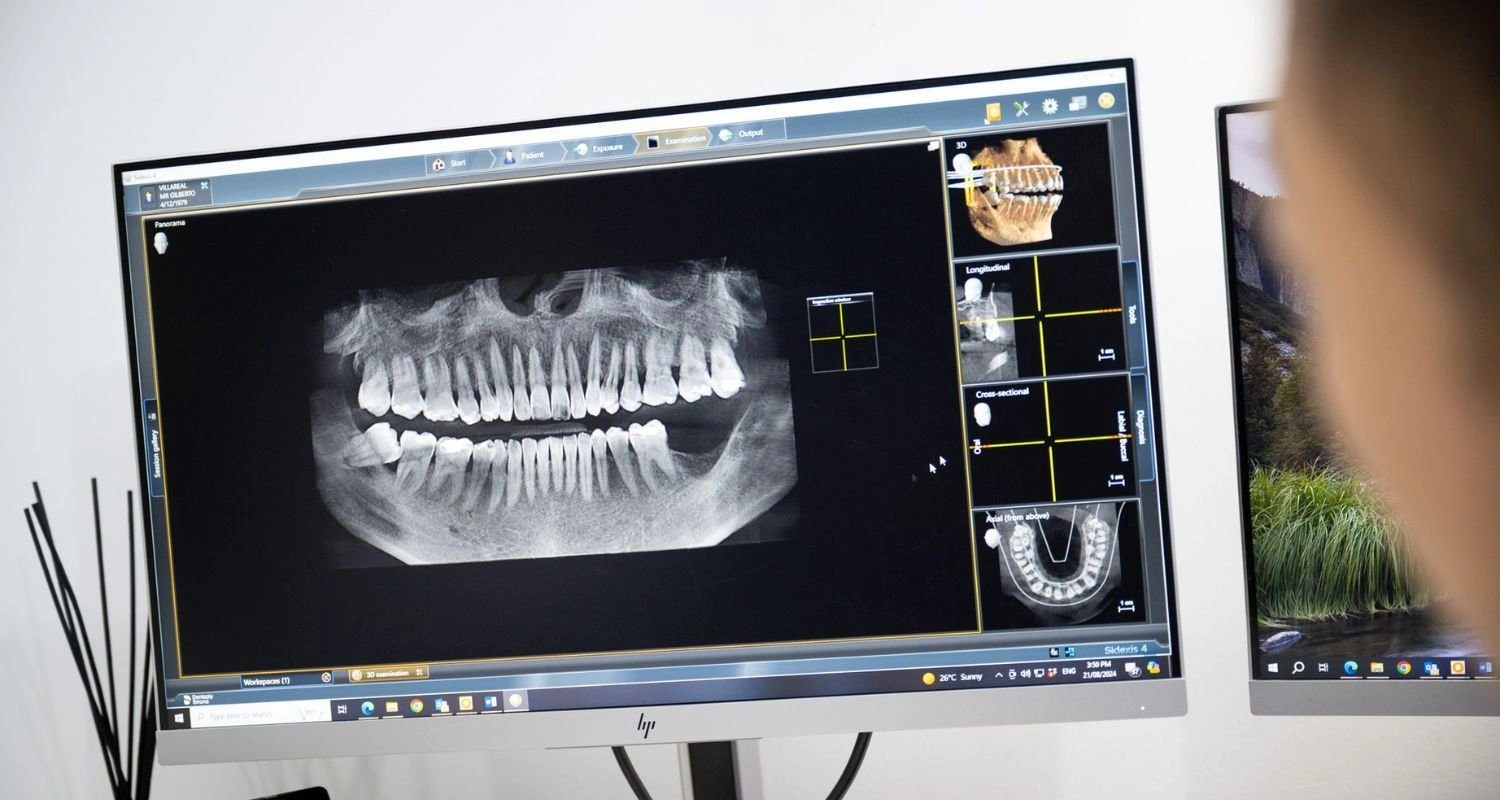
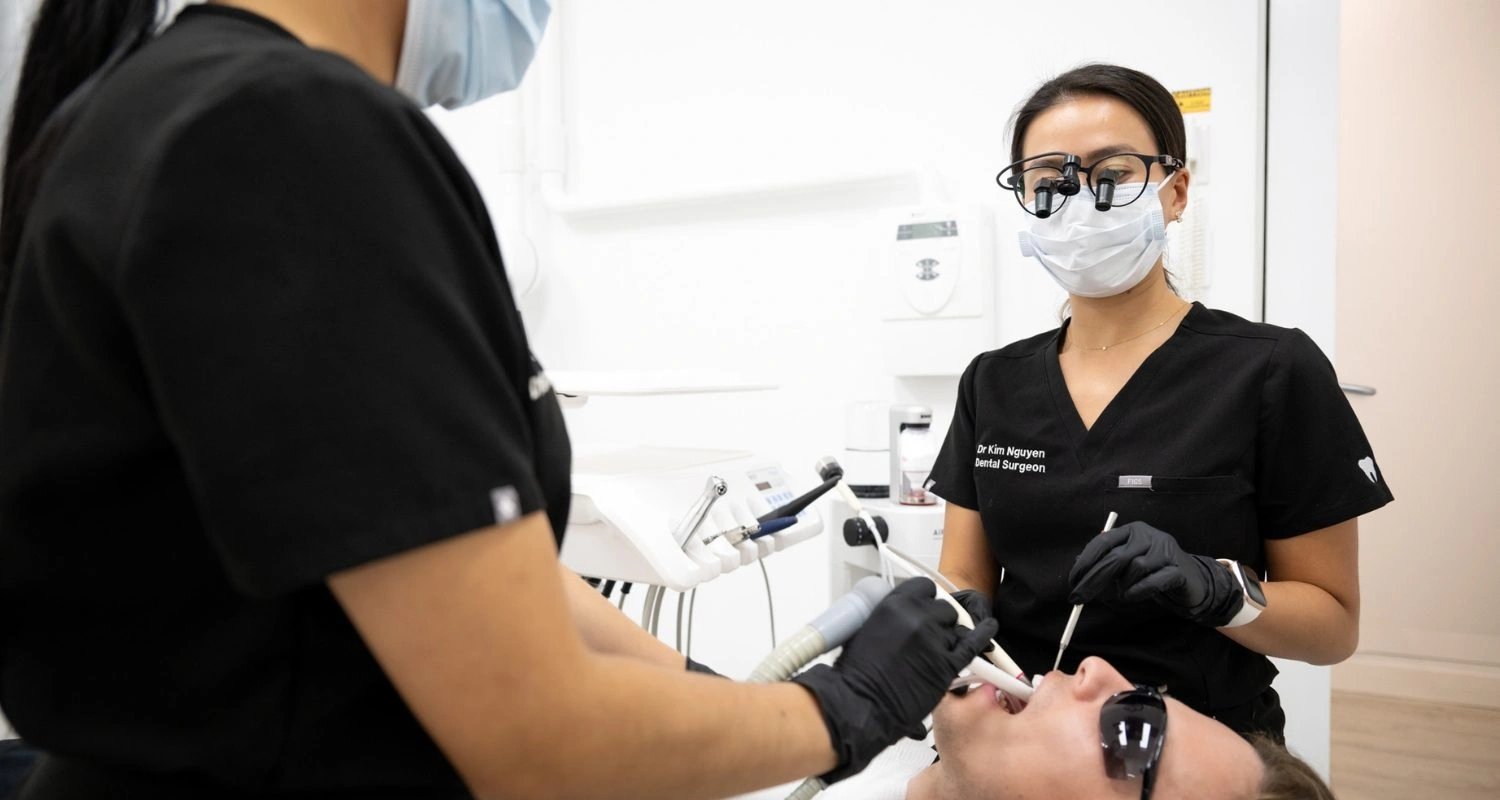
Your dentist examines teeth, gums, and soft tissues for signs of decay, gum disease, oral cancer, and other problems. Early detection significantly improves treatment outcomes. Periodic X-rays reveal problems not visible during clinical examination, including decay between teeth and bone loss.
Professional cleaning removes tartar buildup that cannot be eliminated through home brushing and flossing. Even excellent home care doesn’t prevent all tartar formation, and accumulated deposits contribute to gum disease.
Your dental team provides specific advice about home care, diet, and habits based on observations during your examination. This tailored guidance is more valuable than generic oral health information.
Special Circumstances Requiring Adjustment
Certain situations warrant temporarily adjusting your usual adult dental check-up frequency.
During Pregnancy: Hormonal changes affect gum health, and some pregnant women benefit from additional monitoring. Dental care remains safe and important during pregnancy.
After Major Dental Work: Following significant procedures, more frequent follow-up visits may be necessary initially before returning to your regular schedule.
When Symptoms Develop: Don’t wait for your scheduled check-up if you notice pain, bleeding, swelling, or other concerning symptoms. These warrant prompt evaluation regardless of when your last visit occurred.
Making Your Personalised Schedule Work
Once you’ve established appropriate adult dental check-up frequency with your dentist, consistency matters more than the specific interval.
Book your next appointment before leaving each visit. This prevents the “I’ll schedule it later” trap that leads to forgotten appointments. Set reminders in your calendar or phone.
Communicate with your dental team about barriers preventing consistent care. Cost concerns, schedule conflicts, or dental anxiety can often be addressed through payment plans, flexible scheduling, or sedation options.
Understanding Your Individual Needs
Rather than defaulting to arbitrary six-month intervals, thoughtful consideration of your personal circumstances helps determine optimal adult dental check-up frequency.
Have an honest conversation with your dentist about your oral health status, risk factors, and what frequency makes sense for your situation. This discussion should consider both clinical factors and practical considerations.
Be prepared to adjust your schedule if circumstances change. A frequency that worked well for years might need modification if you develop new health issues or experience changes in your oral health status.
The goal isn’t adhering to a universal standard but rather establishing a personalised maintenance schedule that keeps your oral health stable while being sustainable for your circumstances.
Individual needs vary significantly. Optimal adult dental check-up frequency depends on multiple factors including oral health status, risk factors, previous dental history, and personal circumstances. What works well for one person may not be appropriate for another.
Establish Your Personalised Check-Up Schedule
Wondering about the right dental check-up frequency for your individual needs? The team at Pitt Street Dental Centre provides comprehensive assessments to recommend appropriate visit schedules based on your oral health status and personal risk factors.
Call us today to schedule your dental examination. Complete our enquiry form or phone our practice to discuss your personalised dental care schedule.