There’s a persistent myth that dental implants are a young person’s game. That once you hit a certain age, you should resign yourself to dentures, dental adhesive, and avoiding anything crunchier than porridge. Well, here’s some news: your bones didn’t get the memo.
Meet Margaret, a 78-year-old who walked into our practice convinced she was “too old” for implants. Six months later, she’s biting into apples with more confidence than she’s had in decades. Or Frank, who at 82 decided he was tired of his dentures clicking during conversations. Today, he’s proof that age really is just a number.
The truth about implants for seniors is far more encouraging than most people realise. Your 70s, 80s, and beyond might actually be the ideal time to finally get the teeth you’ve always wanted.
The Science Behind Senior Success Stories
The assumption that older patients can’t achieve successful implant integration stems from outdated thinking about ageing and bone health. While bone density can decrease with age, this doesn’t automatically disqualify seniors from implant treatment.
According to research from the Australian Society of Implant Dentistry, patients over 65 show implant success rates of 94-97% – virtually identical to younger patients. The key difference isn’t age itself, but overall health status and proper treatment planning.
Bone Quality vs. Bone Quantity: Older patients often have denser, more mature bone that provides superior implant stability once integration occurs. Think of it as aged, cured concrete versus quick-setting concrete.
Healing Patterns in Seniors: While healing may progress more slowly in older patients, it’s often more predictable and stable. Senior patients typically follow instructions more carefully and have fewer lifestyle factors that interfere with recovery.
Why Seniors Actually Make Ideal Implant Candidates
Many factors actually work in favour of senior patients considering dental implants. Age brings certain advantages that younger patients often lack.
Lifestyle Stability: Senior patients typically have more stable lifestyles without the physical demands or stress levels that can complicate healing in younger adults. They’re not playing contact sports or surviving on coffee during recovery.
Motivation for Quality of Life: After years of struggling with dentures or missing teeth, seniors understand exactly what they’re gaining. This motivation translates into better oral hygiene and careful follow-up care.
Financial Readiness: Many seniors are in a better financial position to invest in comprehensive dental care, allowing for optimal treatment planning without budget constraints.
Medical Considerations: Working Around, Not Against
The key to successful implants for seniors lies in understanding how to work with age-related health changes rather than seeing them as barriers.
Diabetes Management: Well-controlled diabetes doesn’t preclude implant success. Studies show diabetic patients over 65 with HbA1c levels below 7% achieve success rates comparable to non-diabetic patients.
Osteoporosis Considerations: Even patients with osteoporosis can be candidates with proper planning. Jaw bones often maintain better density, and mechanical stimulation from implants helps maintain bone health.
Blood Thinning Medications: Modern surgical techniques allow most patients on blood thinners to undergo implant surgery without discontinuing medications.
Implant Options Tailored for Senior Needs
Modern implant dentistry offers various solutions specifically suited to different senior requirements and anatomical considerations.
Traditional Dental Implants: Single tooth replacements that integrate beautifully with existing teeth, perfect for seniors with good bone density who need to replace individual teeth.
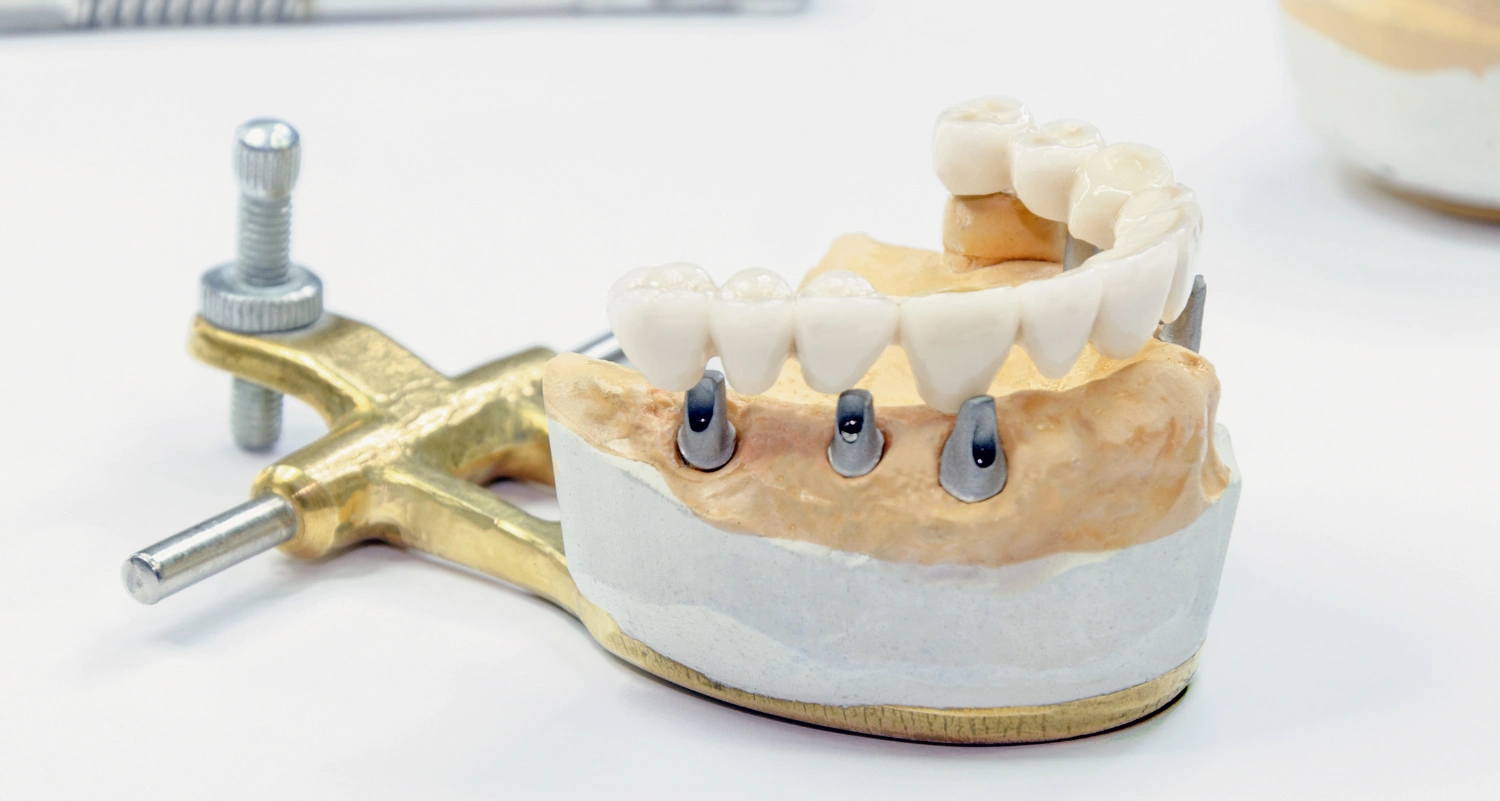
All-Teeth-On-4: An excellent solution for seniors replacing full arches, using just four strategically placed implants to support a complete set of teeth, minimising surgery time and complexity.
Zirconia Implants: Metal-free options ideal for seniors with metal sensitivities or those preferring biocompatible ceramic materials that blend naturally with gum tissue.
Pterygoid Implants: Advanced technique using the pterygoid bone for anchorage, offering solutions for complex cases where traditional approaches aren’t suitable.
Zygomatic Implants: Specialised longer implants that anchor into cheekbone rather than jaw bone, perfect for seniors with significant upper jaw bone loss who want to avoid extensive grafting.
The Denture Dilemma: Why Waiting Isn’t the Answer
Many seniors postpone implant treatment thinking they should “make do” with dentures, but this approach often backfires. Prolonged denture wear accelerates bone loss, making future implant treatment more complex and expensive.
Progressive Bone Loss: Every year spent in dentures results in continued bone resorption. What might be a straightforward implant procedure today could require extensive bone grafting if delayed.
Quality of Life Impact: The social isolation, dietary restrictions, and confidence issues associated with loose dentures can significantly impact senior health. Successful implant treatment often reverses these effects.
Cost Considerations: While implants require a larger initial investment, they eliminate ongoing costs of denture adjustments, relines, and adhesives. Over time, implants often prove more economical.
Recovery Realities for Senior Patients
Understanding recovery expectations helps senior patients prepare for successful outcomes. While healing may take longer, it’s typically more comfortable and predictable than many expect.
Senior patients often experience less post-operative discomfort than younger patients and typically have better support systems in place. The activity restrictions align well with many seniors’ lifestyles, emphasising rest and good nutrition.
Conclusion: Redefining Possibilities
The evidence is clear: age alone should never be a barrier to dental implant treatment. Successful dental implants for seniors depend on overall health, proper planning, and realistic expectations – not the number of candles on your birthday cake.
If you’ve been told you’re “too old” for implants, it’s time to seek a second opinion. Modern implant dentistry offers solutions that can restore function, confidence, and quality of life regardless of age. The question isn’t whether in your 70s & 80s you’re too old for implants; it’s whether you’re ready to stop settling for less than you deserve.
Your seventies, eighties, and beyond could be the decades when you finally get the smile you’ve always wanted. Age might bring wisdom, but it doesn’t have to bring dental compromise.
Discover Age-Defying Dental Solutions
Ready to learn if dental implants could transform your smile, regardless of your age? The team at Pitt Street Dental Centre specialises in implant solutions for patients of all ages, with particular expertise in addressing the unique needs of senior patients.
Call us today to schedule your implant consultation. Complete our enquiry form or phone our practice to discover how modern implant dentistry can restore your confidence and quality of life.