FREE Take Home Whitening + 3 Clear Retainers (worth $1,200) with Invisalign treatment. Ends June 2026. See the Offer 

The Chipmunk Effect: When Facial Swelling Means Your Dental Infection Isn’t Messing Around

People Asked:
How quickly can facial swelling from dental infection become dangerous?

Serious complications from facial swelling dental infection can develop within 6-12 hours, particularly if the infection spreads to throat tissues or deep facial spaces. Rapid progression – swelling that worsens noticeably every few hours rather than remaining stable – is a warning sign requiring immediate professional evaluation, even outside regular dental hours.

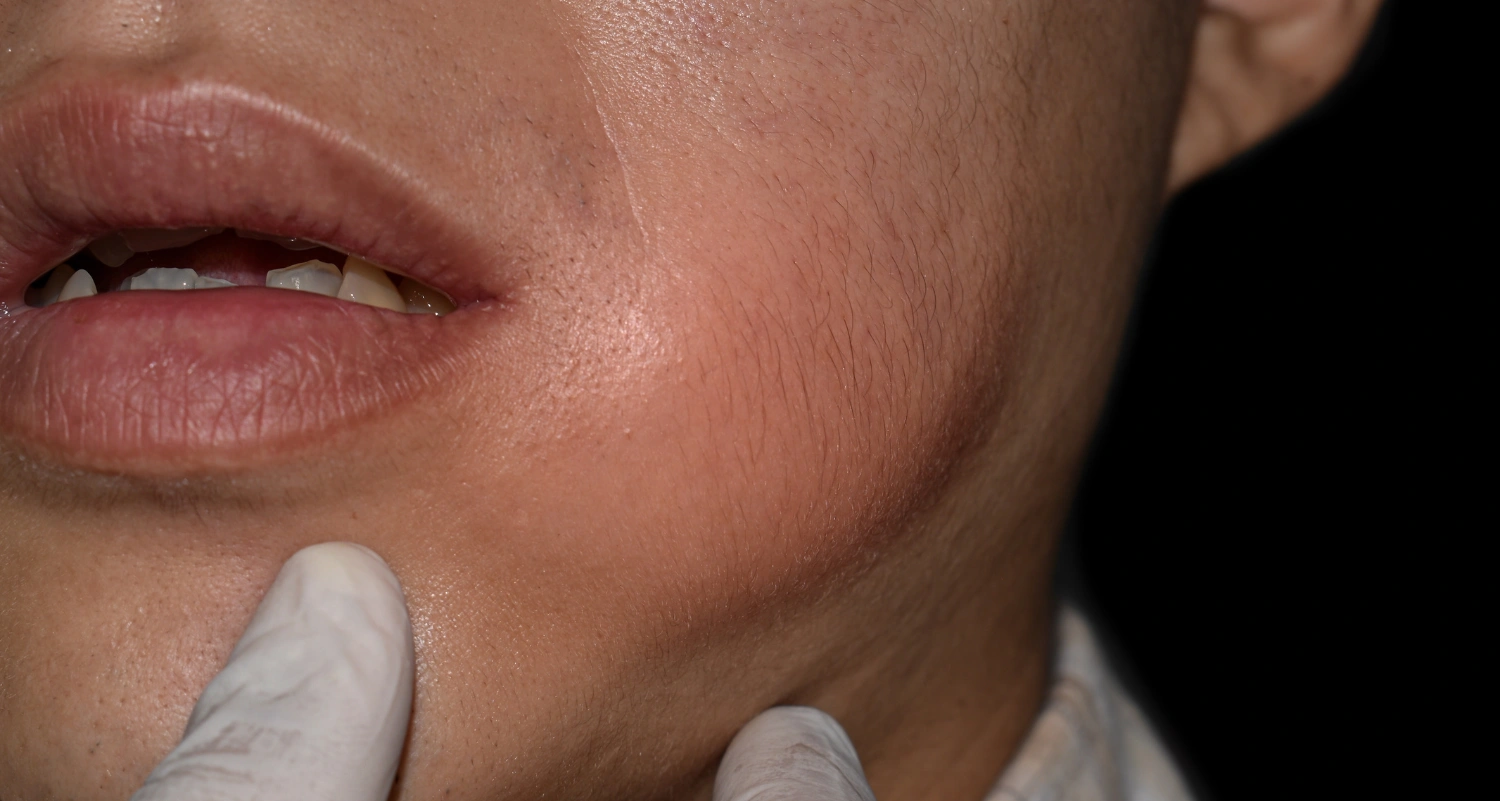
There’s a moment in every dental emergency when you look in the mirror and think, “This definitely wasn’t here yesterday.” One side of your face has decided to impersonate a chipmunk storing nuts for winter, and suddenly you’re googling “facial swelling” at 2 AM.

Here’s the truth: facial swelling from a dental infection isn’t just uncomfortable, it can be genuinely dangerous. While not every puffy cheek constitutes an emergency, certain facial swelling dental infection patterns require immediate attention, sometimes within hours.

Meet Sarah, who noticed slight swelling around her back molar on Friday afternoon. By Sunday, she was struggling to swallow. What started as a “minor” dental issue had become a life-threatening infection requiring emergency treatment.

The key isn’t just recognising swelling, but understanding which type signals a true emergency and which can wait for regular dental hours.

The Anatomy of Dental Emergency Swelling

Not all facial swelling is created equal. Understanding the difference between minor inflammation and serious infection can be life-saving.

Localised vs. Spreading Swelling: Minor dental infections cause localised swelling around the affected tooth. However, facial swelling dental infection that spreads beyond the tooth area – particularly affecting the cheek, eye, or throat – indicates a serious situation requiring immediate attention.

Rapid vs. Gradual Development: The speed matters crucially. According to emergency dental protocols from the Australian Dental Association, facial swelling that doubles in size within 12 hours warrants immediate professional evaluation.

Bilateral vs. Unilateral Presentation: Swelling on both sides suggests other medical conditions. However, unilateral facial swelling – affecting only one side – particularly with dental pain, strongly suggests facial swelling dental infection requiring urgent assessment.

Red Flag Symptoms: When Minutes Matter

Certain symptoms with facial swelling transform a dental issue into a medical emergency, indicating infection may be spreading to vital structures.

Difficulty Swallowing or Breathing: When facial swelling dental infection affects swallowing or breathing, you’re experiencing a medical emergency. The infection may be spreading to throat tissues, potentially compromising your airway. This requires immediate emergency room treatment.

High Fever and Chills: Facial swelling with fever over 38.5°C indicates bloodstream infection, which can be life-threatening and requires immediate medical intervention.

Eye Involvement: Swelling affecting the eye area, particularly causing vision changes or difficulty opening the eye, suggests infection spreading toward the brain. This represents a medical emergency.

Rapid Progression: Facial swelling dental infection that worsens noticeably every few hours indicates aggressive infection that may not respond to oral antibiotics alone.

The Science Behind Dangerous Dental Infections

Understanding why some dental infections become serious helps explain when facial swelling becomes threatening.

Fascial Space Infections: The face contains tissue spaces separated by membranes. When dental infections spread into these spaces, they can travel rapidly toward vital structures. Facial swelling dental infection involving deeper spaces appears as firm, woody swelling rather than soft bumps.

Ludwig’s Angina: This rapidly spreading infection affects the throat area and can close the airway within hours. Early signs include difficulty speaking, drooling, and tongue sensation changes.

Treatment Timing: The Critical Window

The window for effective treatment is often measured in hours, not days.

The Golden Hours: Research indicates facial swelling dental infection requiring hospitalisation has best outcomes when treatment begins within 6-12 hours. Delays beyond 24 hours significantly increase complication risks.

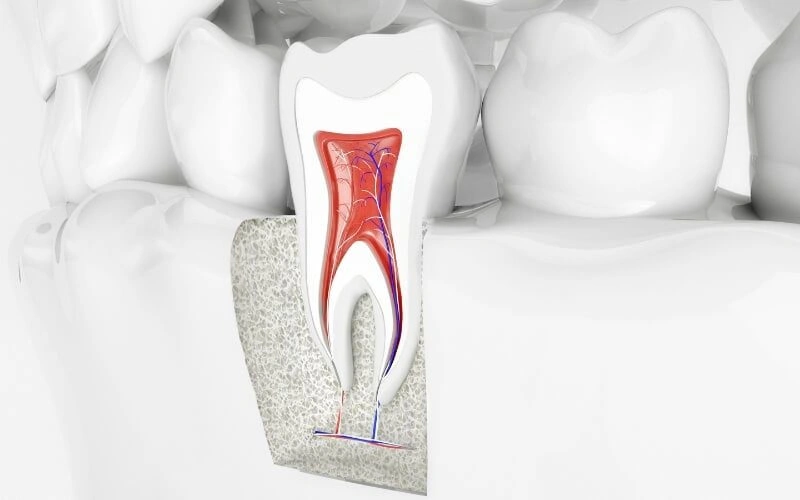
Source Control: Eliminating the infection source – through root canal treatment or extraction – is essential. Antibiotics alone rarely provide permanent solutions without addressing the underlying dental problem.

Prevention and Recognition

While not all dental emergencies are preventable, many cases develop from ignored warning signs.

Early Intervention: Addressing dental pain or minor swelling promptly prevents progression to serious infection. Most dangerous facial swelling dental infection cases have preceding symptoms that, if treated early, could prevent emergencies.

Risk Factor Management: Patients with diabetes, compromised immune systems, or heart conditions face higher risks. These individuals should seek professional evaluation for any dental symptoms, even minor ones.

When to Call vs. When to Go

Understanding whether facial swelling dental infection requires a dentist call or emergency room visit is crucial.

Call Your Dentist If:

  • Swelling is localised and not rapidly worsening
  • You can swallow normally and breathe without difficulty
  • Temperature is normal or only mildly elevated

Go to Emergency Room If:

  • Difficulty swallowing or breathing occurs
  • Rapid progression over hours
  • High fever or systemic illness signs
  • Eye involvement or vision changes

Conclusion: Taking Facial Swelling Seriously

Facial swelling from dental infection ranges from minor inconvenience to life-threatening emergency. The key is recognising which category your symptoms fall into and responding appropriately. When in doubt, err on the side of caution – serious dental infections can progress rapidly, and early intervention invariably leads to better outcomes.

Remember, your face isn’t supposed to look like you’re storing nuts for winter. When it does, take it seriously and seek appropriate professional evaluation promptly.

Emergency Dental Care When You Need It

Experiencing facial swelling or other concerning dental symptoms? The team at Pitt Street Dental Centre in the Sydney CBD provides emergency dental assessments and can guide you on whether immediate treatment is necessary.

Call us immediately if you’re experiencing facial swelling or dental emergency symptoms. Our emergency line is available for urgent situations requiring immediate professional evaluation.


DISCLAIMER:
The content has been made available for informational and educational purposes only. Pitt Street Dental Centre does not make any representation or warranties with respect to the accuracy, applicability, fitness, or completeness of the content.

The content is not intended to be a substitute for professional personal diagnosis or treatment. Always seek the advice of your dentist or another qualified health provider with any questions you may have regarding a dental or medical condition. Never disregard professional advice or delay seeking it because of something you have read or seen on the Site.

Services We Mentioned:

Ready to get started?

Just fill in this form and we will be in touch

People Asked:
How quickly can facial swelling from dental infection become dangerous?

Serious complications from facial swelling dental infection can develop within 6-12 hours, particularly if the infection spreads to throat tissues or deep facial spaces. Rapid progression – swelling that worsens noticeably every few hours rather than remaining stable – is a warning sign requiring immediate professional evaluation, even outside regular dental hours.

There’s a moment in every dental emergency when you look in the mirror and think, “This definitely wasn’t here yesterday.” One side of your face has decided to impersonate a chipmunk storing nuts for winter, and suddenly you’re googling “facial swelling” at 2 AM.

Here’s the truth: facial swelling from a dental infection isn’t just uncomfortable, it can be genuinely dangerous. While not every puffy cheek constitutes an emergency, certain facial swelling dental infection patterns require immediate attention, sometimes within hours.

Meet Sarah, who noticed slight swelling around her back molar on Friday afternoon. By Sunday, she was struggling to swallow. What started as a “minor” dental issue had become a life-threatening infection requiring emergency treatment.

The key isn’t just recognising swelling, but understanding which type signals a true emergency and which can wait for regular dental hours.

The Anatomy of Dental Emergency Swelling

Not all facial swelling is created equal. Understanding the difference between minor inflammation and serious infection can be life-saving.

Localised vs. Spreading Swelling: Minor dental infections cause localised swelling around the affected tooth. However, facial swelling dental infection that spreads beyond the tooth area – particularly affecting the cheek, eye, or throat – indicates a serious situation requiring immediate attention.

Rapid vs. Gradual Development: The speed matters crucially. According to emergency dental protocols from the Australian Dental Association, facial swelling that doubles in size within 12 hours warrants immediate professional evaluation.

Bilateral vs. Unilateral Presentation: Swelling on both sides suggests other medical conditions. However, unilateral facial swelling – affecting only one side – particularly with dental pain, strongly suggests facial swelling dental infection requiring urgent assessment.

Red Flag Symptoms: When Minutes Matter

Certain symptoms with facial swelling transform a dental issue into a medical emergency, indicating infection may be spreading to vital structures.

Difficulty Swallowing or Breathing: When facial swelling dental infection affects swallowing or breathing, you’re experiencing a medical emergency. The infection may be spreading to throat tissues, potentially compromising your airway. This requires immediate emergency room treatment.

High Fever and Chills: Facial swelling with fever over 38.5°C indicates bloodstream infection, which can be life-threatening and requires immediate medical intervention.

Eye Involvement: Swelling affecting the eye area, particularly causing vision changes or difficulty opening the eye, suggests infection spreading toward the brain. This represents a medical emergency.

Rapid Progression: Facial swelling dental infection that worsens noticeably every few hours indicates aggressive infection that may not respond to oral antibiotics alone.

The Science Behind Dangerous Dental Infections

Understanding why some dental infections become serious helps explain when facial swelling becomes threatening.

Fascial Space Infections: The face contains tissue spaces separated by membranes. When dental infections spread into these spaces, they can travel rapidly toward vital structures. Facial swelling dental infection involving deeper spaces appears as firm, woody swelling rather than soft bumps.

Ludwig’s Angina: This rapidly spreading infection affects the throat area and can close the airway within hours. Early signs include difficulty speaking, drooling, and tongue sensation changes.

Treatment Timing: The Critical Window

The window for effective treatment is often measured in hours, not days.

The Golden Hours: Research indicates facial swelling dental infection requiring hospitalisation has best outcomes when treatment begins within 6-12 hours. Delays beyond 24 hours significantly increase complication risks.

Source Control: Eliminating the infection source – through root canal treatment or extraction – is essential. Antibiotics alone rarely provide permanent solutions without addressing the underlying dental problem.

Prevention and Recognition

While not all dental emergencies are preventable, many cases develop from ignored warning signs.

Early Intervention: Addressing dental pain or minor swelling promptly prevents progression to serious infection. Most dangerous facial swelling dental infection cases have preceding symptoms that, if treated early, could prevent emergencies.

Risk Factor Management: Patients with diabetes, compromised immune systems, or heart conditions face higher risks. These individuals should seek professional evaluation for any dental symptoms, even minor ones.

When to Call vs. When to Go

Understanding whether facial swelling dental infection requires a dentist call or emergency room visit is crucial.

Call Your Dentist If:

  • Swelling is localised and not rapidly worsening
  • You can swallow normally and breathe without difficulty
  • Temperature is normal or only mildly elevated

Go to Emergency Room If:

  • Difficulty swallowing or breathing occurs
  • Rapid progression over hours
  • High fever or systemic illness signs
  • Eye involvement or vision changes

Conclusion: Taking Facial Swelling Seriously

Facial swelling from dental infection ranges from minor inconvenience to life-threatening emergency. The key is recognising which category your symptoms fall into and responding appropriately. When in doubt, err on the side of caution – serious dental infections can progress rapidly, and early intervention invariably leads to better outcomes.

Remember, your face isn’t supposed to look like you’re storing nuts for winter. When it does, take it seriously and seek appropriate professional evaluation promptly.

Emergency Dental Care When You Need It

Experiencing facial swelling or other concerning dental symptoms? The team at Pitt Street Dental Centre in the Sydney CBD provides emergency dental assessments and can guide you on whether immediate treatment is necessary.

Call us immediately if you’re experiencing facial swelling or dental emergency symptoms. Our emergency line is available for urgent situations requiring immediate professional evaluation.

DISCLAIMER:
The content has been made available for informational and educational purposes only. Pitt Street Dental Centre does not make any representation or warranties with respect to the accuracy, applicability, fitness, or completeness of the content.

The content is not intended to be a substitute for professional personal diagnosis or treatment. Always seek the advice of your dentist or another qualified health provider with any questions you may have regarding a dental or medical condition. Never disregard professional advice or delay seeking it because of something you have read or seen on the Site.

Services We Mentioned:

Ready to get started?

Just fill in this form and we will be in touch

DOWNLOAD PRICE LIST

Please enter your mobile number and email address so we can send you the price list via SMS and email along with some of our patients’ smile transformations in the next few minutes.

"*" indicates required fields

This field is for validation purposes and should be left unchanged.

Hi, you’re chatting with Pitt Street Dental Centre. If you could please fill out all your details below, we will be in contact with you shortly.

"*" indicates required fields

This field is for validation purposes and should be left unchanged.
Patient Status*