FREE Take Home Whitening + 3 Clear Retainers (worth $1,200) with Invisalign treatment. Ends June 2026. See the Offer 

Severe Bone Loss At The Back? Meet The Implant That Thinks Outside The Box

People Asked:
How long do pterygoid implants actually last?

When placed correctly and maintained properly, pterygoid implants have success rates similar to conventional implants, potentially lasting decades. The pterygoid bone is quite stable and doesn’t undergo the remodelling that affects other areas. Think of it as building on bedrock rather than sand.

There’s nothing quite like being told your posterior maxilla has basically packed its bags and left town, taking any hope of conventional dental implants with it. It’s the dental equivalent of arriving at a party only to discover everyone’s already gone home, the lights are off, and you’re left standing in an empty car park wondering what on earth happened.

Traditional implant placement relies on having enough bone to anchor into, but sometimes the posterior maxilla (that’s the upper jaw at the back of your mouth) has other ideas. Years of tooth loss, gum disease, or just plain old biology can leave you with so little bone that conventional implants seem about as feasible as building a sandcastle in a hurricane.

Enter pterygoid implants: the MacGyver solution of dental implantology. When there’s not enough bone where you’d normally expect to find it, these clever implants venture into uncharted territory, anchoring into areas that most dentists wouldn’t even consider. It’s rather like finding a secret parking spot that nobody else knows about.

The Great Posterior Maxilla Disappearing Act

Your posterior maxilla faces a perfect storm of bone-losing conditions. When you lose back teeth, the bone that once supported them starts its inevitable disappearing act. Add to that the maxillary sinus expanding downwards like an overzealous neighbour claiming more garden space, and you’ve got a recipe for some seriously challenging implant cases.

The numbers are rather sobering. According to Australian dental research, patients can lose up to 40% of their posterior maxilla bone height within five years of tooth extraction. The width decreases too, sometimes leaving a ridge so narrow it couldn’t support a toothpick, let alone a dental implant.

Traditionally, this has meant one of two options: extensive bone grafting (think months of healing, multiple procedures, and costs that make your eyes water) or accepting that the back of your mouth would remain a tooth-free zone. Neither option is particularly appealing when you’re trying to enjoy a decent steak or crunch through an apple.

This is where many patients find themselves in dental limbo; too much bone loss for standard implants, but not quite ready to embrace a lifetime of careful food choices and strategic chewing on one side.

Meet The Pterygoid Implant: Your Unlikely Hero

Pterygoid implants are the rebels of the implant world. Instead of trying to work with what little bone remains in your posterior maxilla, they bypass the whole problem by anchoring into the pterygoid process – a sturdy bit of bone that sits behind your upper jaw like a reliable friend who never lets you down.

Think of it as taking the scenic route to the same destination. Whilst conventional implants go straight down into the jawbone, pterygoid implants travel at an angle, reaching back to grab hold of bone that’s been sitting there unused, just waiting for someone clever enough to notice it.

The pterygoid process is remarkably dense and stable bone that doesn’t remodel or disappear like the bone in your posterior maxilla. It’s been quietly supporting your skull for years, completely unaffected by tooth loss or sinus expansion. Using it for implant anchorage is rather like discovering you’ve had a secret savings account all along.

These implants can be significantly longer than conventional ones (sometimes up to 20mm) allowing them to engage this remote but reliable bone. The result? Stable implant support in cases where traditional approaches would require extensive grafting or might not be possible at all.

Why This Beats The Grafting Marathon

Bone grafting for severe posterior maxilla defects is a bit like renovating a house whilst living in it; technically possible, but involving months of disruption, multiple procedures, and no guarantee that the final result will be worth the hassle. Sinus lifts, block grafts, and ridge augmentation procedures can stretch treatment over 12-18 months.

Pterygoid implants offer an elegant alternative to grafting that sidesteps these complications entirely. Instead of trying to rebuild what’s been lost, they work with what’s already there. It’s the difference between constructing a new foundation and simply choosing a better building site.

The treatment timeline is dramatically shorter too. Whilst grafting procedures require months of healing between stages, pterygoid implants can often be loaded with prosthetic teeth much sooner. Some patients can have their new teeth fitted on the same day as implant placement.

From a comfort perspective, avoiding extensive grafting means less swelling, less discomfort, and fewer trips to the dental chair. You’re not dealing with donor sites, graft integration, or the uncertainty that comes with hoping your body accepts the grafted material.

The Science Behind The Success

Research shows that pterygoid implants have success rates comparable to conventional implants when placed correctly. The key is understanding the unique anatomy and biomechanics involved. The pterygoid process provides excellent primary stability, and the cortical bone quality is typically superior to what you’d find in grafted areas.

The angle of placement (usually between 30-45 degrees) distributes chewing forces effectively whilst engaging maximum bone contact. This isn’t just creative thinking; it’s precision engineering based on thorough understanding of facial anatomy.

Studies indicate that pterygoid implants can support both individual crowns and full arch restorations. They’re particularly valuable in All-on-4 treatment concepts, where they can provide posterior support without the need for sinus lifts or extensive grafting.

Who’s Actually Suitable For This Approach?

Not everyone with posterior maxilla bone loss is automatically a candidate for pterygoid implants. The technique requires specific anatomical conditions and careful case selection. Patients need adequate pterygoid bone quality and proper sinus anatomy for safe implant placement.

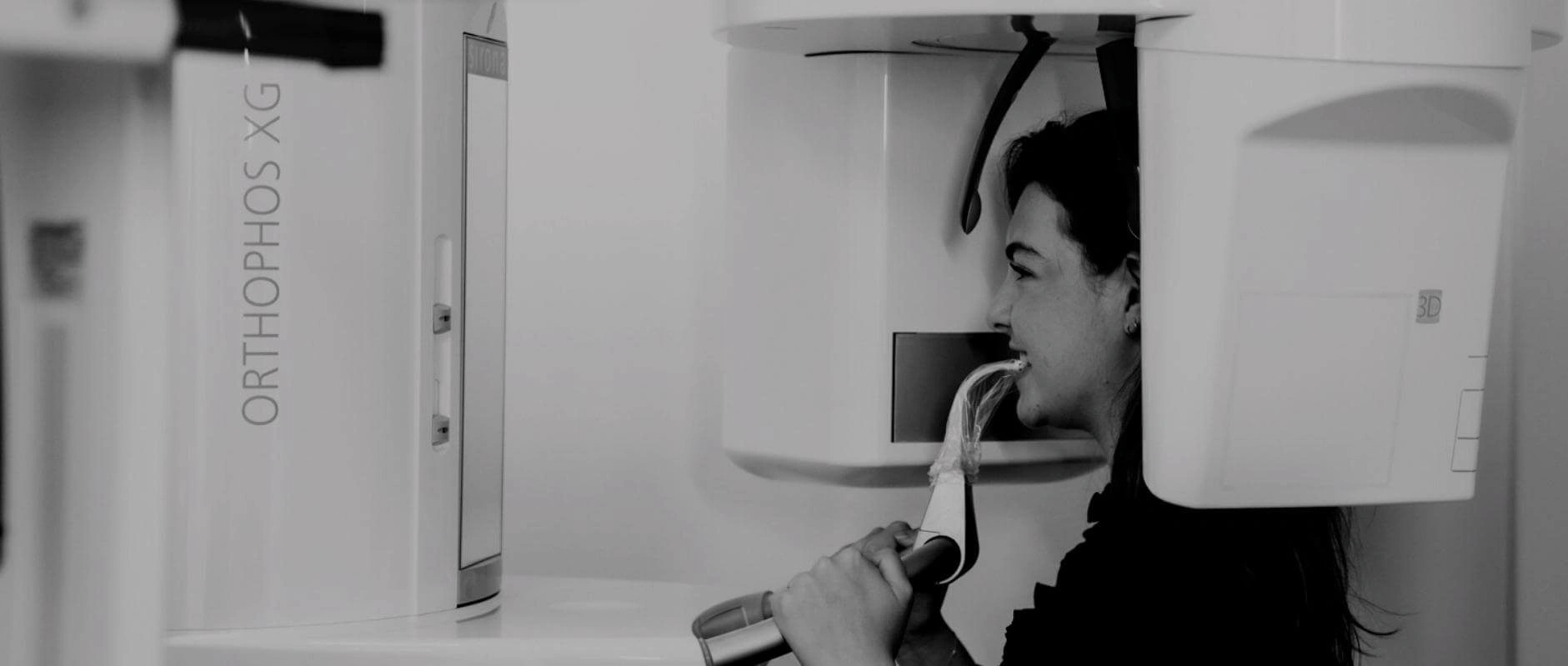
At Pitt Street Dental Centre, we use advanced CBCT imaging to assess pterygoid bone dimensions and plan precise implant angles. The anatomy varies significantly between individuals, so thorough evaluation is essential. Sometimes the pterygoid process itself may not provide adequate bone volume.

Patients with certain medical conditions or those taking medications that affect bone healing might not be suitable candidates. Good oral hygiene and realistic expectations are crucial for long-term success.

The procedure does require significant expertise. Not all implant dentists are trained in pterygoid implant placement, as it demands detailed knowledge of complex facial anatomy and specialised surgical techniques.

The Pitt Street Dental Centre Difference

Our approach to pterygoid implants combines advanced technology with meticulous planning. We use 3D imaging to map your unique anatomy and create surgical guides that ensure precise placement. Every case is thoroughly evaluated to determine whether pterygoid implants are the best solution.

We understand that patients dealing with severe bone loss have often been told they’re not candidates for implants. Our goal is to explore every viable option before recommending complex grafting procedures or suggesting that implants aren’t possible.

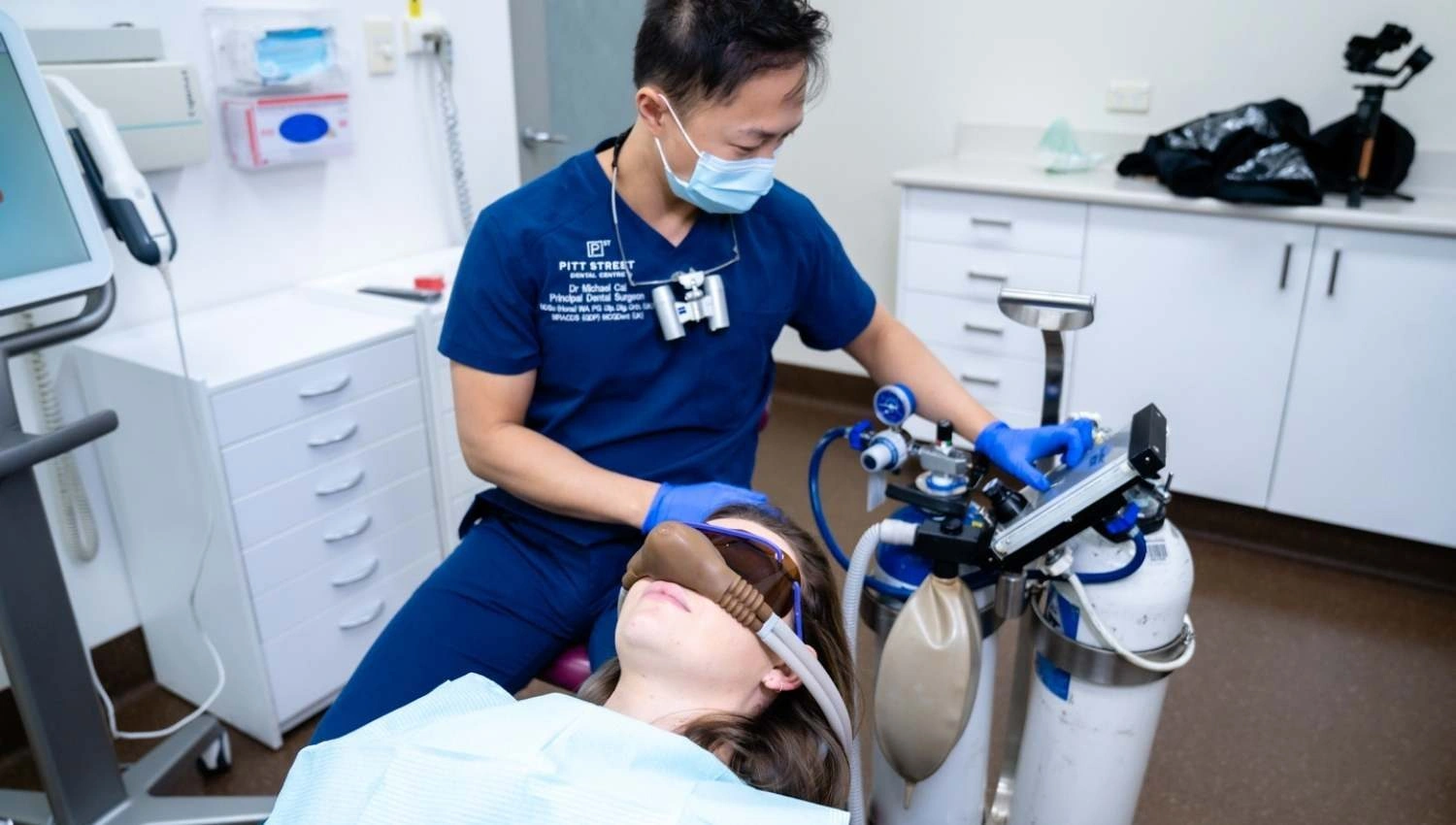
The procedure is performed under appropriate sedation to ensure your comfort. Recovery is typically more straightforward than extensive grafting, with most patients returning to normal activities within a few days.

We work closely with our prosthodontic team to ensure your final restoration maximises the unique advantages that pterygoid implants provide. The result is stable, functional teeth that can handle normal chewing forces.

Making The Right Choice For Your Situation

If you’ve been told that extensive grafting is your only option for posterior implants, or that implants aren’t possible due to severe bone loss, pterygoid implants might offer the solution you’ve been looking for. They represent a significant advancement in treating challenging cases without the time, discomfort, and expense of major grafting procedures.

The technique isn’t suitable for everyone, but for the right candidates, it can be genuinely transformative. Instead of months of treatment and uncertainty, you could have stable, functional teeth in a fraction of the time.

Curious whether pterygoid implants could solve your posterior maxilla challenges? Contact Pitt Street Dental Centre today on +61 2 8000 1832 to schedule your comprehensive evaluation. Our experienced team will assess your specific anatomy and discuss whether this innovative alternative to grafting is right for your situation. Complete our enquiry form online, and let’s explore the possibilities for restoring your smile without the grafting marathon.


DISCLAIMER:
The content has been made available for informational and educational purposes only. Pitt Street Dental Centre does not make any representation or warranties with respect to the accuracy, applicability, fitness, or completeness of the content.

The content is not intended to be a substitute for professional personal diagnosis or treatment. Always seek the advice of your dentist or another qualified health provider with any questions you may have regarding a dental or medical condition. Never disregard professional advice or delay seeking it because of something you have read or seen on the Site.

Services We Mentioned:

Ready to get started?

Just fill in this form and we will be in touch

People Asked:
How long do pterygoid implants actually last?

When placed correctly and maintained properly, pterygoid implants have success rates similar to conventional implants, potentially lasting decades. The pterygoid bone is quite stable and doesn’t undergo the remodelling that affects other areas. Think of it as building on bedrock rather than sand.

There’s nothing quite like being told your posterior maxilla has basically packed its bags and left town, taking any hope of conventional dental implants with it. It’s the dental equivalent of arriving at a party only to discover everyone’s already gone home, the lights are off, and you’re left standing in an empty car park wondering what on earth happened.

Traditional implant placement relies on having enough bone to anchor into, but sometimes the posterior maxilla (that’s the upper jaw at the back of your mouth) has other ideas. Years of tooth loss, gum disease, or just plain old biology can leave you with so little bone that conventional implants seem about as feasible as building a sandcastle in a hurricane.

Enter pterygoid implants: the MacGyver solution of dental implantology. When there’s not enough bone where you’d normally expect to find it, these clever implants venture into uncharted territory, anchoring into areas that most dentists wouldn’t even consider. It’s rather like finding a secret parking spot that nobody else knows about.

The Great Posterior Maxilla Disappearing Act

Your posterior maxilla faces a perfect storm of bone-losing conditions. When you lose back teeth, the bone that once supported them starts its inevitable disappearing act. Add to that the maxillary sinus expanding downwards like an overzealous neighbour claiming more garden space, and you’ve got a recipe for some seriously challenging implant cases.

The numbers are rather sobering. According to Australian dental research, patients can lose up to 40% of their posterior maxilla bone height within five years of tooth extraction. The width decreases too, sometimes leaving a ridge so narrow it couldn’t support a toothpick, let alone a dental implant.

Traditionally, this has meant one of two options: extensive bone grafting (think months of healing, multiple procedures, and costs that make your eyes water) or accepting that the back of your mouth would remain a tooth-free zone. Neither option is particularly appealing when you’re trying to enjoy a decent steak or crunch through an apple.

This is where many patients find themselves in dental limbo; too much bone loss for standard implants, but not quite ready to embrace a lifetime of careful food choices and strategic chewing on one side.

Meet The Pterygoid Implant: Your Unlikely Hero

Pterygoid implants are the rebels of the implant world. Instead of trying to work with what little bone remains in your posterior maxilla, they bypass the whole problem by anchoring into the pterygoid process – a sturdy bit of bone that sits behind your upper jaw like a reliable friend who never lets you down.

Think of it as taking the scenic route to the same destination. Whilst conventional implants go straight down into the jawbone, pterygoid implants travel at an angle, reaching back to grab hold of bone that’s been sitting there unused, just waiting for someone clever enough to notice it.

The pterygoid process is remarkably dense and stable bone that doesn’t remodel or disappear like the bone in your posterior maxilla. It’s been quietly supporting your skull for years, completely unaffected by tooth loss or sinus expansion. Using it for implant anchorage is rather like discovering you’ve had a secret savings account all along.

These implants can be significantly longer than conventional ones (sometimes up to 20mm) allowing them to engage this remote but reliable bone. The result? Stable implant support in cases where traditional approaches would require extensive grafting or might not be possible at all.

Why This Beats The Grafting Marathon

Bone grafting for severe posterior maxilla defects is a bit like renovating a house whilst living in it; technically possible, but involving months of disruption, multiple procedures, and no guarantee that the final result will be worth the hassle. Sinus lifts, block grafts, and ridge augmentation procedures can stretch treatment over 12-18 months.

Pterygoid implants offer an elegant alternative to grafting that sidesteps these complications entirely. Instead of trying to rebuild what’s been lost, they work with what’s already there. It’s the difference between constructing a new foundation and simply choosing a better building site.

The treatment timeline is dramatically shorter too. Whilst grafting procedures require months of healing between stages, pterygoid implants can often be loaded with prosthetic teeth much sooner. Some patients can have their new teeth fitted on the same day as implant placement.

From a comfort perspective, avoiding extensive grafting means less swelling, less discomfort, and fewer trips to the dental chair. You’re not dealing with donor sites, graft integration, or the uncertainty that comes with hoping your body accepts the grafted material.

The Science Behind The Success

Research shows that pterygoid implants have success rates comparable to conventional implants when placed correctly. The key is understanding the unique anatomy and biomechanics involved. The pterygoid process provides excellent primary stability, and the cortical bone quality is typically superior to what you’d find in grafted areas.

The angle of placement (usually between 30-45 degrees) distributes chewing forces effectively whilst engaging maximum bone contact. This isn’t just creative thinking; it’s precision engineering based on thorough understanding of facial anatomy.

Studies indicate that pterygoid implants can support both individual crowns and full arch restorations. They’re particularly valuable in All-on-4 treatment concepts, where they can provide posterior support without the need for sinus lifts or extensive grafting.

Who’s Actually Suitable For This Approach?

Not everyone with posterior maxilla bone loss is automatically a candidate for pterygoid implants. The technique requires specific anatomical conditions and careful case selection. Patients need adequate pterygoid bone quality and proper sinus anatomy for safe implant placement.

At Pitt Street Dental Centre, we use advanced CBCT imaging to assess pterygoid bone dimensions and plan precise implant angles. The anatomy varies significantly between individuals, so thorough evaluation is essential. Sometimes the pterygoid process itself may not provide adequate bone volume.

Patients with certain medical conditions or those taking medications that affect bone healing might not be suitable candidates. Good oral hygiene and realistic expectations are crucial for long-term success.

The procedure does require significant expertise. Not all implant dentists are trained in pterygoid implant placement, as it demands detailed knowledge of complex facial anatomy and specialised surgical techniques.

The Pitt Street Dental Centre Difference

Our approach to pterygoid implants combines advanced technology with meticulous planning. We use 3D imaging to map your unique anatomy and create surgical guides that ensure precise placement. Every case is thoroughly evaluated to determine whether pterygoid implants are the best solution.

We understand that patients dealing with severe bone loss have often been told they’re not candidates for implants. Our goal is to explore every viable option before recommending complex grafting procedures or suggesting that implants aren’t possible.

The procedure is performed under appropriate sedation to ensure your comfort. Recovery is typically more straightforward than extensive grafting, with most patients returning to normal activities within a few days.

We work closely with our prosthodontic team to ensure your final restoration maximises the unique advantages that pterygoid implants provide. The result is stable, functional teeth that can handle normal chewing forces.

Making The Right Choice For Your Situation

If you’ve been told that extensive grafting is your only option for posterior implants, or that implants aren’t possible due to severe bone loss, pterygoid implants might offer the solution you’ve been looking for. They represent a significant advancement in treating challenging cases without the time, discomfort, and expense of major grafting procedures.

The technique isn’t suitable for everyone, but for the right candidates, it can be genuinely transformative. Instead of months of treatment and uncertainty, you could have stable, functional teeth in a fraction of the time.

Curious whether pterygoid implants could solve your posterior maxilla challenges? Contact Pitt Street Dental Centre today on +61 2 8000 1832 to schedule your comprehensive evaluation. Our experienced team will assess your specific anatomy and discuss whether this innovative alternative to grafting is right for your situation. Complete our enquiry form online, and let’s explore the possibilities for restoring your smile without the grafting marathon.

DISCLAIMER:
The content has been made available for informational and educational purposes only. Pitt Street Dental Centre does not make any representation or warranties with respect to the accuracy, applicability, fitness, or completeness of the content.

The content is not intended to be a substitute for professional personal diagnosis or treatment. Always seek the advice of your dentist or another qualified health provider with any questions you may have regarding a dental or medical condition. Never disregard professional advice or delay seeking it because of something you have read or seen on the Site.

Services We Mentioned:

Ready to get started?

Just fill in this form and we will be in touch

DOWNLOAD PRICE LIST

Please enter your mobile number and email address so we can send you the price list via SMS and email along with some of our patients’ smile transformations in the next few minutes.

"*" indicates required fields

This field is for validation purposes and should be left unchanged.

Hi, you’re chatting with Pitt Street Dental Centre. If you could please fill out all your details below, we will be in contact with you shortly.

"*" indicates required fields

This field is for validation purposes and should be left unchanged.
Patient Status*