Right now, as you’re reading this, there’s a thriving metropolis of bacteria having an absolute party in your mouth. They’re setting up shop, multiplying like rabbits, and creating the dental equivalent of urban sprawl across your teeth. The worst part? They’re not paying rent, they’re trashing the place, and they have absolutely no intention of leaving voluntarily.
Welcome to the wonderful world of plaque build-up on teeth – that sticky, colourless film that starts forming the moment you finish brushing. It’s rather like having houseguests who promise they’ll only stay for the weekend, then six months later you find them rearranging your furniture and eating everything in your fridge.
But here’s where the story gets properly dramatic. Left unchecked, this soft, manageable plaque transforms into tartar, which is basically the dental equivalent of concrete. It’s the difference between dealing with annoying party crashers and finding squatters who’ve changed the locks.
The Great Plaque Build-Up: How Your Mouth Becomes A Bacterial Nightclub
Plaque build-up on teeth begins within minutes of cleaning. Your saliva contains proteins that immediately start forming a thin film on your tooth surfaces. You can think of it as laying down the red carpet for bacteria. Within hours, various bacterial species start arriving at this microscopic party, and they’re not the well-behaved type.
These bacteria aren’t just hanging around looking pretty. They’re actively feeding on the sugars and starches from your food, then producing acid as a waste product. It’s rather like having house guests who eat your groceries then leave dirty dishes everywhere, except the “dirty dishes” are acids that start dissolving your tooth enamel.
According to the Australian Dental Association, plaque build-up teeth can harbour over 700 different bacterial species. Some are relatively harmless neighbours, but others are the bacterial equivalent of motorcycle gangs; loud, destructive, and determined to cause trouble.
The sticky nature of plaque means it clings to your teeth like a determined toddler to their parent’s leg. Regular brushing can remove it when it’s fresh and soft, but miss a few spots or skip a few days, and you’re dealing with an increasingly established bacterial community.
The Plot Thickens: When Plaque Becomes Tartar
Here’s where the story takes a sinister turn. After about 72 hours of undisturbed bacterial partying, your soft, removable plaque begins its transformation into tartar. This process is rather like watching wet cement slowly harden. Once it’s set, you’re not shifting it with ordinary tools.
Tartar formation happens when minerals from your saliva get incorporated into the plaque matrix. Your saliva, which normally helps protect your teeth, inadvertently becomes an accomplice in creating this rock-hard deposit that’s virtually impossible to remove with home care.
Once established, tartar provides an even better surface for new plaque to stick to. It’s rather like bacterial gentrification, the area becomes increasingly attractive to undesirable residents, and the problem compounds exponentially.
The Domino Effect: How Plaque Build-Up Sabotages Your Oral Health
The acids produced by plaque bacteria don’t just disappear after their initial assault on your enamel. They continue their destructive work, gradually demineralising your tooth structure and creating the perfect conditions for decay. It’s death by a thousand tiny cuts, except each cut is made by microscopic vandals with a grudge against calcium.
But tooth decay is just the opening act. The bacteria in plaque build-up on teeth also trigger your immune system’s inflammatory response. Your gums become red, swollen, and prone to bleeding – a condition called gingivitis. It’s your body’s way of trying to fight off the bacterial invasion, but unfortunately, it’s rather like using a sledgehammer to swat flies.
Left untreated, gingivitis progresses to periodontitis, where the inflammation extends deeper into the tissues supporting your teeth. The bacteria start breaking down the ligaments and bone that hold your teeth in place. It’s essentially biological warfare being waged in your mouth, with your teeth as collateral damage.
Research consistently shows links between advanced gum disease and systemic health problems including heart disease, diabetes, and stroke. Those bacteria aren’t content to limit their mischief to your mouth, they can enter your bloodstream and cause problems throughout your body.
The Professional Intervention: Why Your Toothbrush Admits Defeat
Once plaque has transformed into tartar, your home oral hygiene routine becomes about as effective as trying to remove barnacles with a feather duster. This is where professional dental cleaning becomes absolutely essential for maintaining oral health.
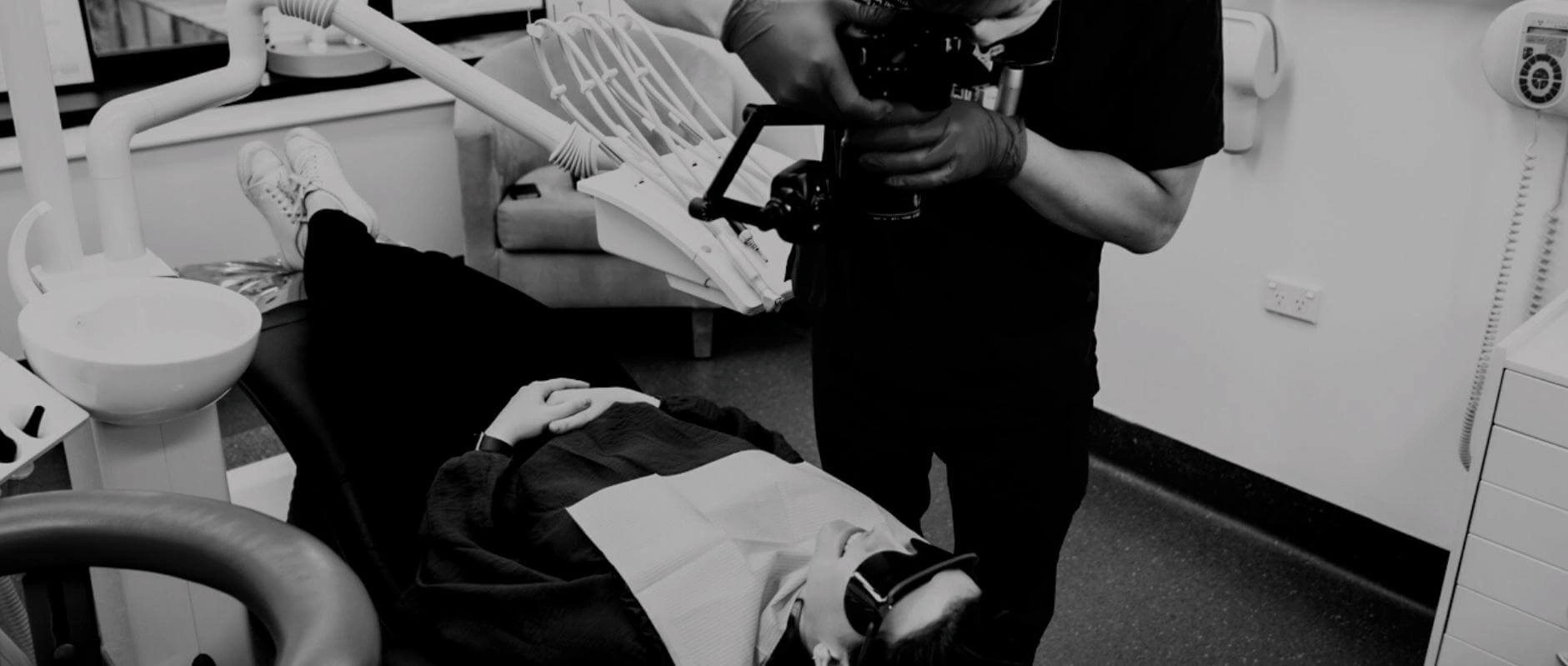
Professional cleaning involves specialised instruments that can safely remove tartar without damaging your tooth structure. Ultrasonic scalers use high-frequency vibrations to break up tartar deposits, whilst hand instruments allow for precise removal in areas that need more delicate attention.
The process isn’t just about scraping off the obvious deposits either. Professional cleaners can access areas that are impossible to reach with home care, including below the gum line where some of the most destructive bacteria like to hide.
Most patients need professional cleaning every six months, though some require more frequent visits depending on their individual risk factors. It’s preventive maintenance rather than crisis management, much easier and more comfortable for everyone involved.
The Home Defence Strategy: Keeping The Bacterial Party Under Control
Whilst professional cleaning is essential for removing established tartar, preventing plaque build-up on teeth in the first place is your daily responsibility. The good news is that fresh plaque is relatively easy to disrupt if you’re consistent about it.
Proper brushing technique matters more than most people realise. It’s not about scrubbing harder, it’s about systematically disrupting bacterial communities before they become established. Think of it as regular neighbourhood patrol rather than waiting for a full-scale riot to develop.
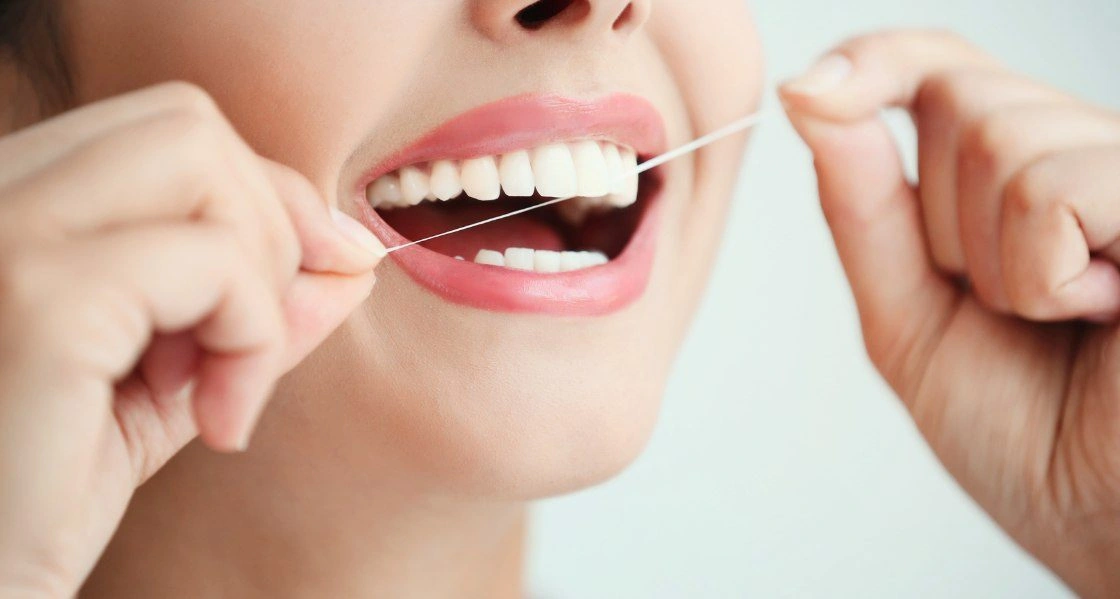
Flossing remains the gold standard for cleaning between teeth where plaque loves to accumulate undisturbed. No amount of brushing can reach these areas effectively, making floss your secret weapon against bacterial squatters in tight spaces.
Antiseptic mouthwashes can provide additional bacterial control, particularly in areas that are difficult to clean mechanically. They’re rather like fumigation for your mouth, reaching places that physical cleaning might miss.
The Pitt Street Dental Centre Approach
At Pitt Street Dental Centre, we understand that preventing plaque build-up on teeth is far more comfortable and cost-effective than dealing with the consequences later. Our comprehensive approach combines thorough professional cleaning with personalised home care instruction.
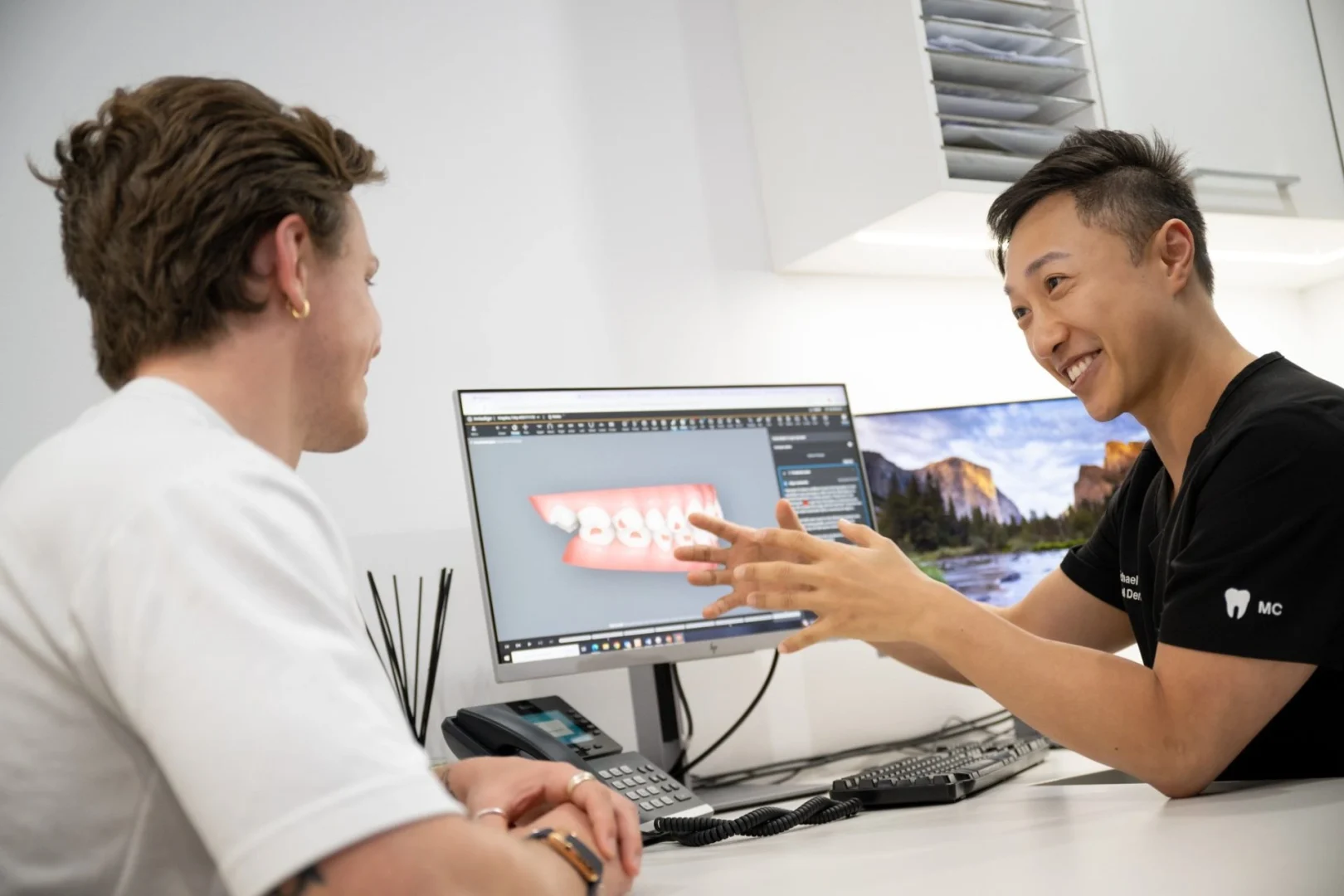
We use advanced diagnostic tools to identify areas where plaque accumulates in your specific mouth, then provide targeted strategies for addressing these problem spots. Everyone’s oral anatomy is different, so one-size-fits-all advice doesn’t always work.
Our hygienists are skilled in the latest cleaning techniques, ensuring comfortable, thorough removal of both plaque and tartar. We also provide honest feedback about your home care effectiveness and practical suggestions for improvement.
Taking Control Of Your Oral Ecosystem
Understanding plaque build-up on teeth isn’t just academic knowledge, it’s practical information that can save you significant discomfort, expense, and health problems down the line. The bacterial communities in your mouth are constantly evolving, and staying ahead of them requires consistent effort and professional support.
The key is viewing oral hygiene as ecosystem management rather than just cosmetic maintenance. You’re not just making your teeth look clean, you’re actively managing a complex bacterial environment that can significantly impact your overall health.
Ready to show those bacterial party crashers the door? Contact Pitt Street Dental Centre today on +61 2 8000 1832 to schedule your comprehensive cleaning and oral health assessment. Our experienced team will help you develop an effective strategy for managing plaque build-up and maintaining optimal oral health. Complete our enquiry form online, and let’s get your mouth’s uninvited guests properly evicted.