Invisalign trays can be removed while eating; replace them after brushing your teeth and cleaning the tray
Orthodontic Braces in Sydney CBD
Aligning Your Smile
Aligning Your Smile
Orthodontics is the branch of dentistry that focuses on improving the alignment of teeth. Straighter teeth may support improved oral health, in addition to changes in dental appearance.
Our team at Pitt Street Dental Centre in Sydney CBD is passionate about improving our patients’ oral health. When you visit us for orthodontic treatment, you can expect professional, friendly and attentive care.
Who Is Orthodontics Suitable For?
The primary focus of orthodontic treatment is addressing teeth alignment through braces and clear aligners. Advances in dental technology mean today’s braces are lower-profile devices capable of addressing moderate to severe malocclusions, improper bites and palate width concerns.
Orthodontics may be appropriate for children, teenagers and adults. The following dental concerns are commonly assessed for orthodontic treatment:

Crooked and crowded teeth
Improper teeth placement
Underbites, overbites and crossbites
Jaw joint disorders
Misaligned jaw
Palate issues
The Benefits of Straight Teeth
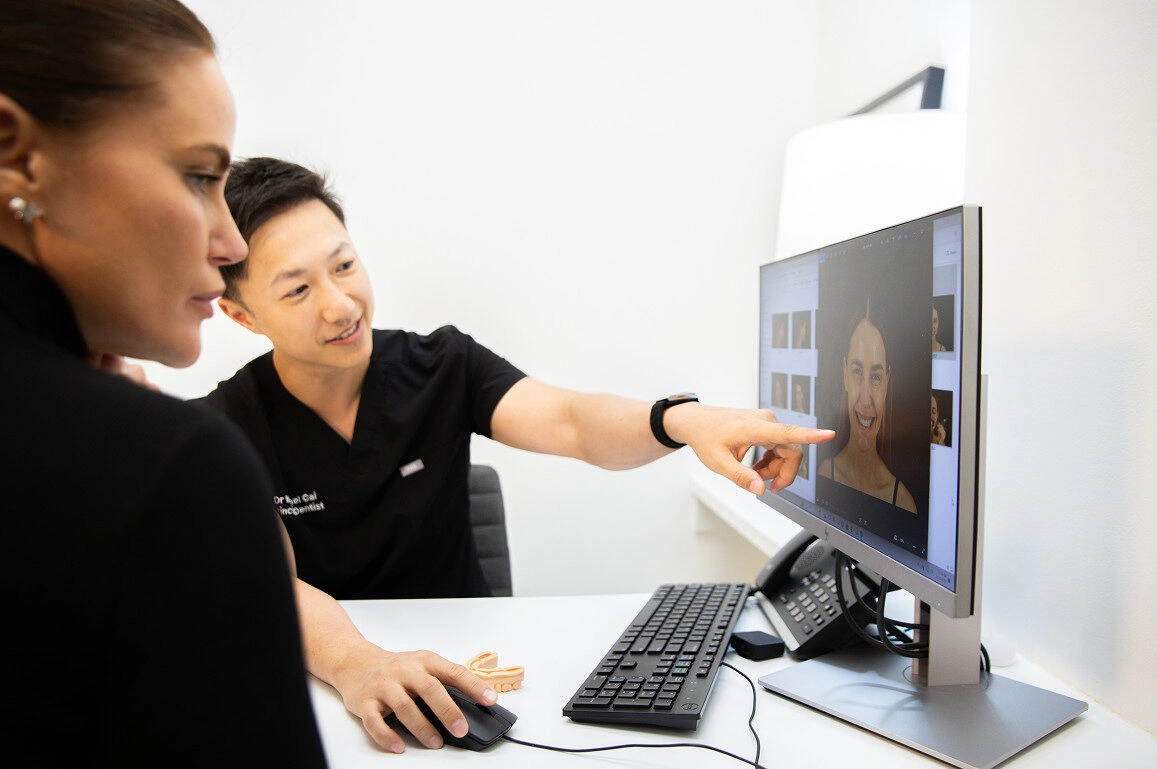
Straighter teeth may support oral health, as teeth that are crowded or poorly positioned can make cleaning more difficult. This can increase the risk of gum disease and tooth decay due to food debris accumulating in hard-to-reach areas.
Poorly aligned teeth and jaw can also contribute to bruxism (teeth grinding) and associated tooth damage. Orthodontic treatment may help address teeth positioning and alignment concerns. Potential benefits of straighter teeth can include:

Brushing and flossing may be easier with straighter teeth
Less room for food debris and harmful bacteria to accumulate
May help reduce the risk of some jaw concerns with improved alignment
May support improved ability to chew
May support improved speech
May help protect teeth from certain types of future damage
May reduce bad breath associated with hidden food debris
May help reduce teeth grinding in some cases
May slow the wearing of teeth over time
What Orthodontic Options Are There in Our Sydney Clinic?
Brace
Braces are a traditional option for addressing teeth that are misaligned or crooked. They may be made of metal, ceramic for a lower profile, or with coloured bands. Braces are placed onto the teeth with brackets, and wires are used to adjust the brackets to encourage teeth to move. Elastic bands, springs and other attachments may be used to help control movement for a precise and individualised approach.
Headgear
Headgear may be used by some patients alongside braces, particularly for more severely misaligned teeth or to help address an underbite or overbite.
Palatal expansion
Palatal expansion is an option for some children with a narrow upper arch. A narrow arch can mean less room for teeth, often resulting in crowded teeth that are more difficult to keep clean. Because adult bones are more set, this option may not be suitable for all patients. We can perform an assessment to determine whether this or another option may be appropriate.
Types of Braces
Metal braces
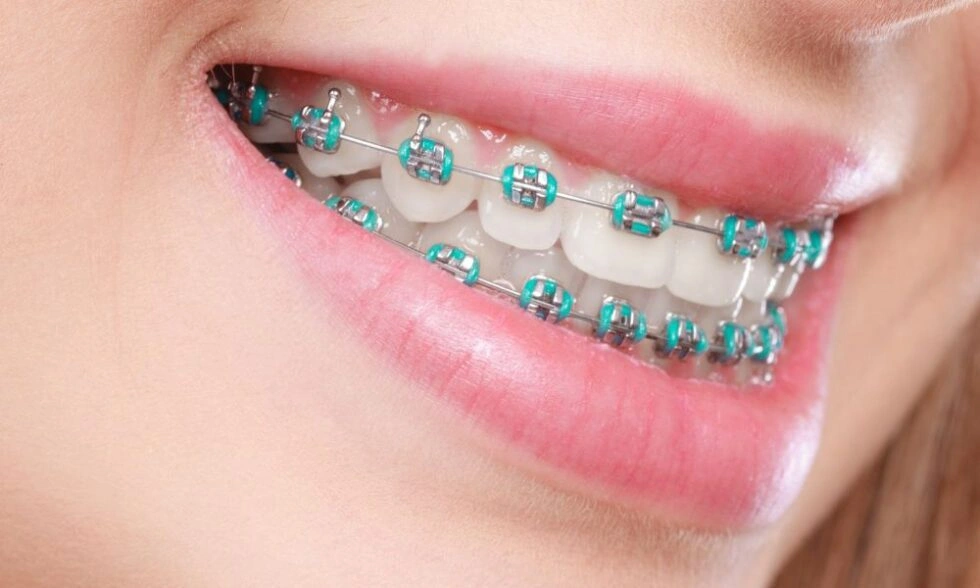
Metal braces are a traditional option for straightening teeth. Today’s braces feature smaller, lower-profile brackets than earlier designs. These are typically adjusted around every four weeks to help encourage teeth to move. You will be given specific instructions for foods to avoid and how to clean your braces to support good oral hygiene.
Lingual braces
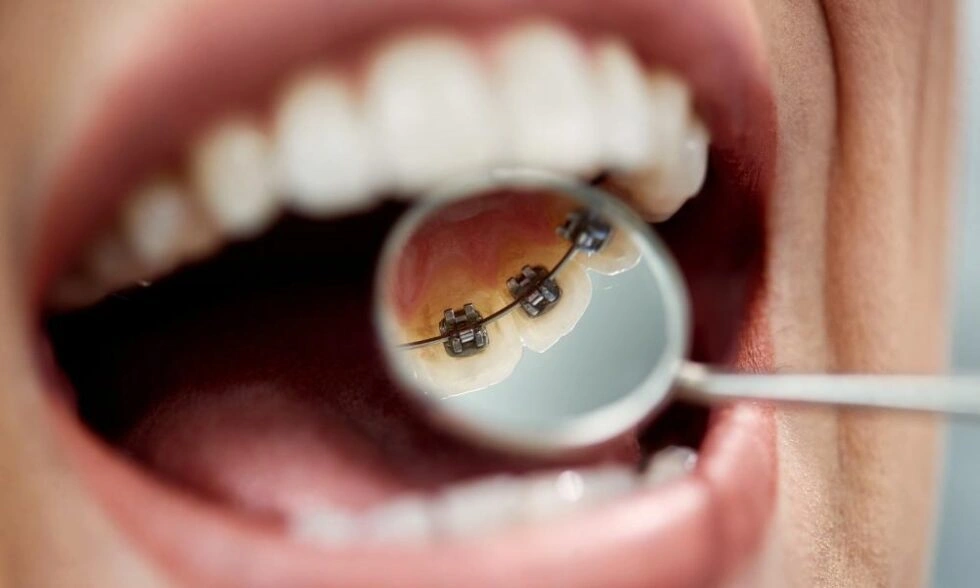
Lingual braces use similar components to traditional braces but are applied to the back surface of teeth, making them less visible. They may be worth discussing for patients who prefer a less noticeable treatment option. They may affect speech initially, though most patients adjust over time.
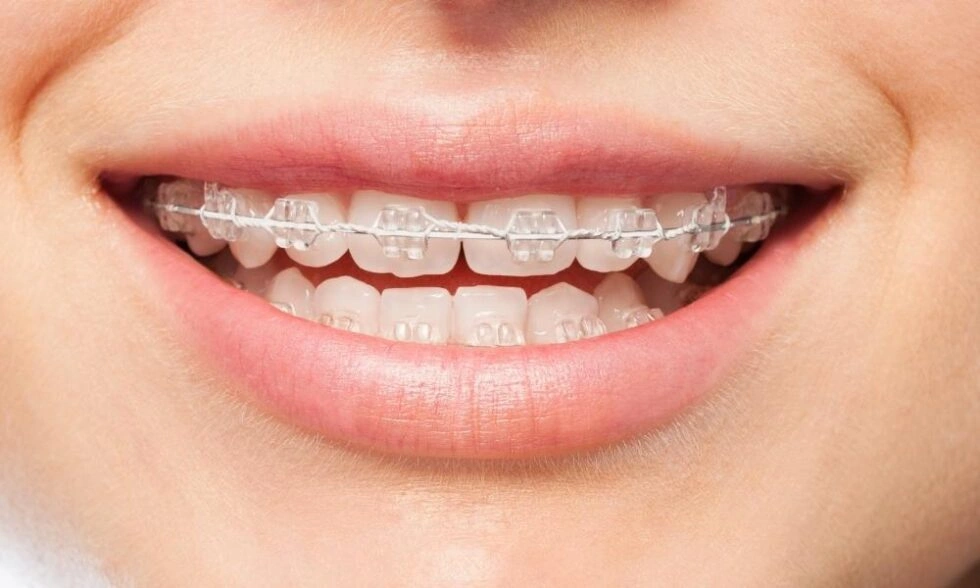
Ceramic braces
Ceramic braces use a tooth-coloured ceramic material rather than metal, making them less obvious than standard metal braces. These braces may require more frequent adjustments and treatment time can vary accordingly.
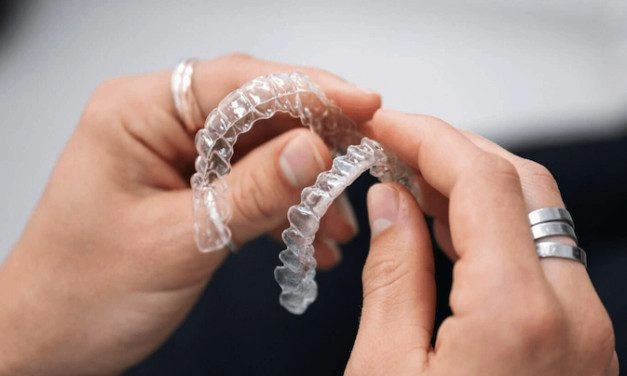
Invisalign
Invisalign clear aligners are an option for patients seeking a lower-profile treatment. While not technically braces, they can effectively address a range of alignment concerns. This system uses a series of clear aligner trays, each worn for a short period before progressing to the next. Each tray is designed to gradually encourage teeth to move toward a straighter position. Our team monitors Invisalign treatment throughout to assess progress.
This product is not available for purchase by the general public.
How Much Do Braces Cost at Pitt Street Dental Centre in Sydney?
Traditional braces may cost from $2,500 to $9,500, with the final cost specific to each patient depending on the extent of treatment required, attachments needed and the number of visits involved.
Many patients consider orthodontics an investment in their oral health. Where cost is a concern, we offer interest-free payment plans at Pitt Street Dental Centre in Sydney.
Risks & Recovery
Braces are a common orthodontic treatment for alignment and bite correction, but they come with risks and recovery considerations.
Possible risks may include:
- Gum irritation or mouth ulcers from brackets and wires
- Temporary discomfort after adjustments
- Difficulty cleaning teeth, which can increase the risk of cavities or gum inflammation
- Enamel decalcification or staining if oral hygiene is not maintained
- In some cases, root shortening may occur over time
Recovery considerations:
- Mild soreness is common for a few days after fitting or adjustments
- Patients usually adapt quickly to speaking and eating with braces
- A soft diet can help during the first few days of treatment
- Regular dental and orthodontic reviews are essential for monitoring progress
Download Our Price List

Download Our Price List
We take great pride in providing a tailored treatment experience. Everyone’s dental needs are different, which is why we discuss options that are relevant to your specific situation and goals.
Frequently Asked Questions
Are there risks to teeth with braces?
Yes. Braces can make cleaning more difficult, which may increase the risk of decay or gum problems if oral hygiene is not maintained. Your dentist will discuss how to care for your teeth throughout treatment.
Do braces cause discomfort?
Mild soreness and pressure are common in the first few days after braces are fitted and after each adjustment appointment. This is a normal part of the treatment process and typically settles within a few days. Over-the-counter pain relief can help manage any discomfort during this period.
How long does treatment with braces take?
Treatment length depends on the complexity of the case and the degree of tooth movement required. Minor corrections may take as little as twelve months, while more involved cases can take two years or longer. Your dentist will provide an estimated timeframe at your consultation based on your specific situation.
What foods should I avoid with braces?
Hard, sticky, and chewy foods can damage brackets and wires and should be avoided during treatment. This includes hard sweets, chewing gum, and foods that require significant biting force such as raw vegetables and hard-crusted breads. Your dentist will provide a full dietary guide at the start of treatment.
Will I need a retainer after treatment?
Yes. Retainers are an important part of maintaining alignment once braces are removed. Teeth have a natural tendency to shift after orthodontic movement, and consistent retainer wear as directed helps preserve the results achieved. Your dentist will discuss the retainer plan appropriate for your case.
Are braces suitable for adults?
Braces are suitable for patients of any age provided the teeth and supporting bone are healthy. Adult treatment may take longer than in younger patients due to differences in bone density, and any existing issues such as decay or gum disease should be addressed before orthodontic treatment begins. Your dentist will assess your suitability at consultation.
How do I clean my teeth effectively with braces?
Cleaning around brackets and wires requires more care than standard brushing. A soft-bristled toothbrush, interdental brushes, and floss threaders or orthodontic floss are recommended to clean between the wires and around each bracket. Your dentist will demonstrate the appropriate technique at the start of treatment.
What should I do if a bracket or wire comes loose?
Contact the practice to arrange an appointment as soon as possible, as a loose bracket or wire can affect the progress of treatment. If a wire is causing irritation in the meantime, orthodontic wax placed over the sharp end can protect the soft tissue. Avoid attempting to adjust or remove any component yourself.
Caring for Orthodontics
Orthodontic devices and your teeth need to be cared for during and after treatment to support good oral health and reduce the risk of complications. Each patient’s situation varies and you will be provided with a tailored care plan. The following are some general guidelines:
Discuss Your Orthodontic Options Today
If you or someone in your family is considering teeth alignment treatment, contact us to schedule a consultation. We will perform a thorough examination and assessment and discuss the orthodontic options that may be relevant to your situation.
DISCLAIMER: The material posted is for informational purposes only and is not intended to substitute for professional medical advice, diagnosis or treatment. Results vary with each patient. Any dental procedure carries risks and benefits. If you have any specific questions about any dental and/or medical matter, you should consult your dentist, physician or other professional healthcare providers.
Medically Reviewed by Dr Michael Cai, BDS (Syd), Implant Specialist
Last Reviewed: August 14, 2026
CELEBRATED SMILES
A gallery of memorable moments with beautiful patients who trust us with their smiles.