Dentures Sydney
Comfortable Dentures
Comfortable Dentures
Do you have a missing tooth?
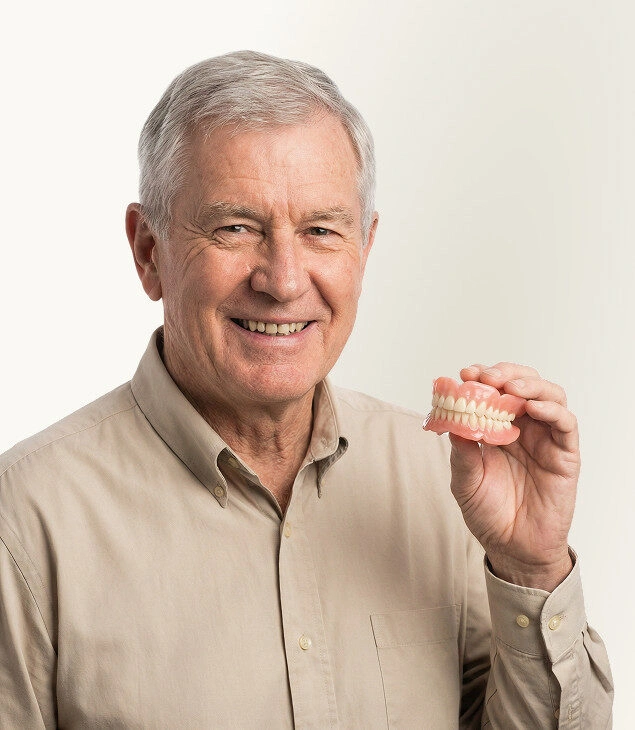
Dentures are a removable solution for replacing missing teeth. Most people think of dentures as a replacement for all the teeth that many people’s parents or grandparents may wear.
Whereas dentures can be a solution if you are fully “edentulous”, partial dentures are also a cost-effective option for replacing one or more teeth.
Full dentures
Because no teeth are left, full dentures use suction or various types of adhesive to remain in position. Alternatively, dental implants can also be placed and connected to the denture with clips or magnets as a more secure method of retention.
Partial dentures
When you are missing as few as a single tooth, a partial denture is a cost-effective option. Partial dentures are “clipped” to the remaining adjacent teeth and use these for support.
Risks & Recovery
Dentures are a removable option for replacing missing teeth, and like all dental appliances, they have risks and recovery considerations.
Possible risks may include:
- Initial gum irritation or soreness while adjusting to the fit
- Difficulty with speech or chewing during the adaptation period
- Risk of breakage or wear if dropped or exposed to excessive force
- Over time, changes in the jawbone may affect the fit and require relining or replacement
Recovery considerations:
- Adjustment may take several weeks as the mouth adapts to the appliance
- Speech and eating improve gradually with practice
- Good hygiene and proper cleaning are essential to prevent infections such as oral thrush
- Regular dental visits are recommended to monitor fit and oral health
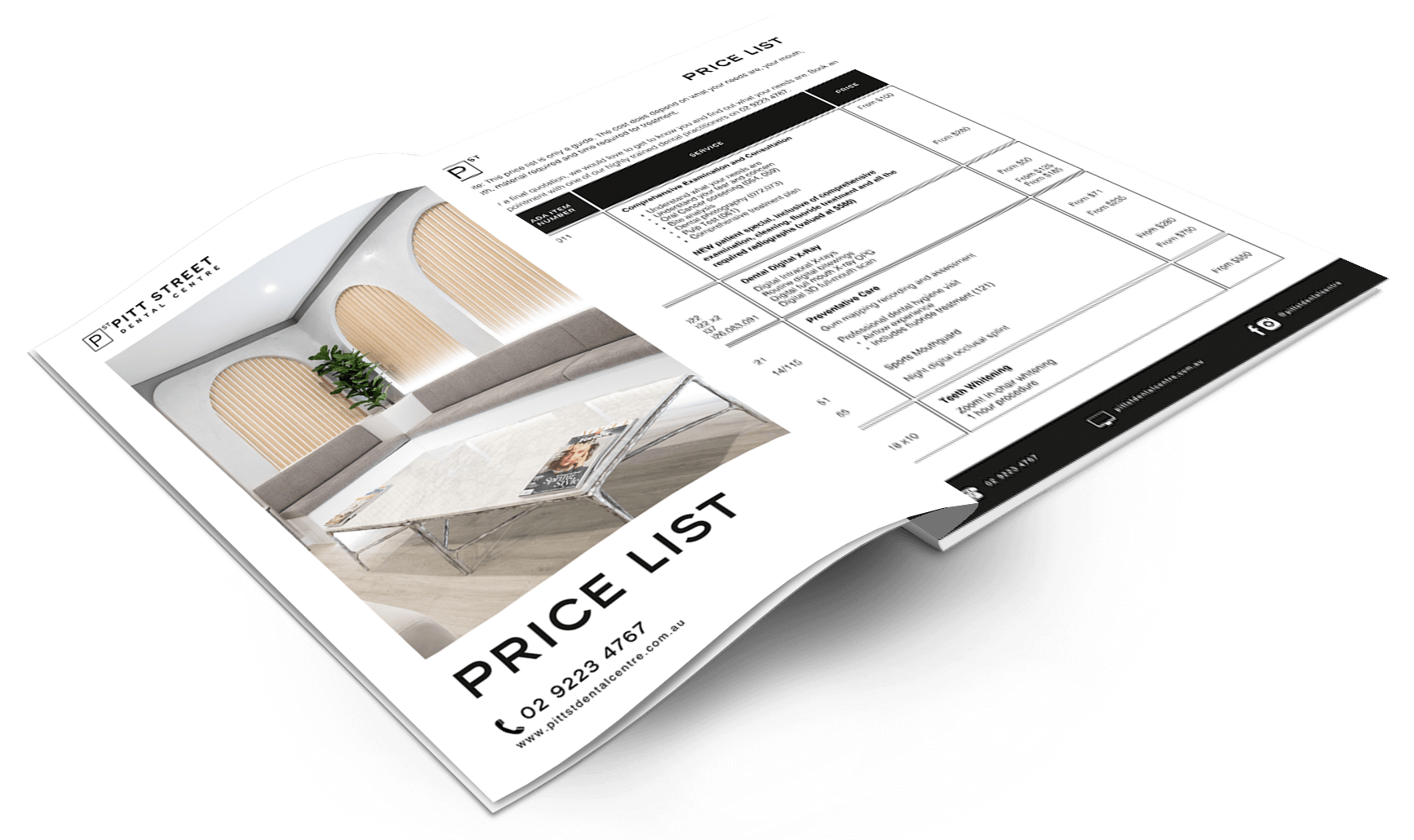
Download Our Price List
Download Our Price List
We take great pride in providing a tailored treatment experience. Everyone’s dental needs are different, which is why we discuss options that are relevant to your specific situation and goals.
Frequently Asked Questions
How long does it take to adjust to new dentures?
Adaptation varies, but most patients adjust within several weeks. Sore spots and speech changes are common at first and usually improve with adjustments.
What is the difference between full and partial dentures?
Full dentures replace an entire arch of missing teeth and rest on the gum tissue. Partial dentures replace one or more missing teeth where natural teeth remain, and are typically anchored to adjacent teeth using clasps. Your dentist will recommend the most appropriate type based on the number of missing teeth and your overall oral health.
Can I sleep with my dentures in?
It is generally recommended to remove dentures at night to allow the gum tissue time to rest. Wearing dentures continuously can place pressure on the underlying gum and bone and may contribute to faster bone resorption over time. Your dentist will advise on the best approach for your specific situation.
How do I care for my dentures?
Dentures should be removed and cleaned daily using a soft brush and non-abrasive denture cleaner. When not being worn, they should be kept moist to prevent warping, ideally stored in water or a denture-soaking solution. Regular dental visits allow your dentist to monitor the fit and examine the health of the surrounding tissues.
How long do dentures last?
With proper care, dentures can last several years, though relining or replacement will likely be needed over time as the shape of the jaw and gum tissue changes. Regular check-ups allow your dentist to monitor the fit and recommend adjustments before discomfort or function is affected. Individual results vary.
Will dentures affect my ability to eat?
Most patients find that eating with dentures requires an adjustment period, particularly with harder or chewier foods. Starting with softer foods and gradually reintroducing a wider range as confidence builds is a common approach. Over time, most patients find their ability to eat improves as they adjust to the appliance.
What should I do if my dentures become loose?
Dentures can become loose over time as the shape of the jaw and gum tissue changes following tooth loss. Contact your dentist for an assessment, as a reline or adjustment may be needed to restore the fit. Continuing to wear poorly fitting dentures can cause discomfort and accelerate bone resorption.
Are implant-retained dentures an option?
Implant-retained dentures are supported by a small number of dental implants placed in the jaw, providing significantly greater stability than conventional dentures. They reduce movement during eating and speaking and help slow the bone resorption associated with tooth loss. Your dentist will discuss whether this is a suitable option based on your clinical situation and overall health.
Denture check-ups
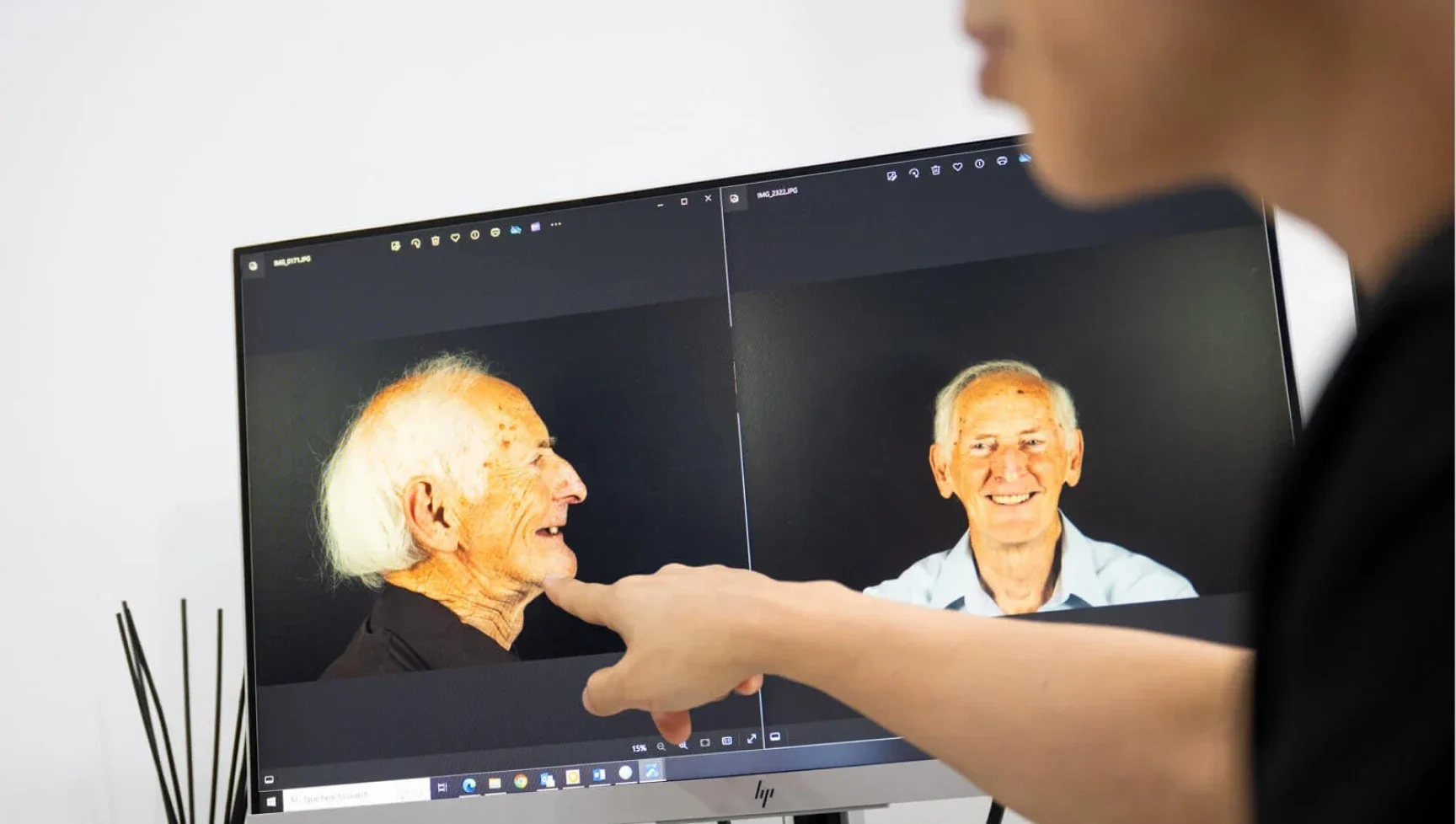
We recommend that you visit to have your dentures checked on a regular basis. When you attend for your six-month check-up, we will advise you if your dentures require any modifications such as relining. At the same time, please tells us if your dentures are causing you any problems or pain.
Dentures which do not fit correctly and go unchecked can cause you serious problems. These include damage to your gums, as well as any remaining teeth, in the case of partial dentures. The latter could even result in the loss of teeth due to unforeseen forces arising from the ill-fitting denture.
Regular maintenance of your dentures will avoid these problems.
DISCLAIMER: The material posted is for informational purposes only and is not intended to substitute for professional medical advice, diagnosis or treatment. Results vary with each patient. Any dental procedure carries risks and benefits. If you have any specific questions about any dental and/or medical matter, you should consult your dentist, physician or other professional healthcare providers.
CELEBRATED SMILES
A gallery of memorable moments with beautiful patients who trust us with their smiles.