If your teeth or bite are misaligned, we may recommend orthodontics.
TMJ Sydney
Easing Jaw Pain
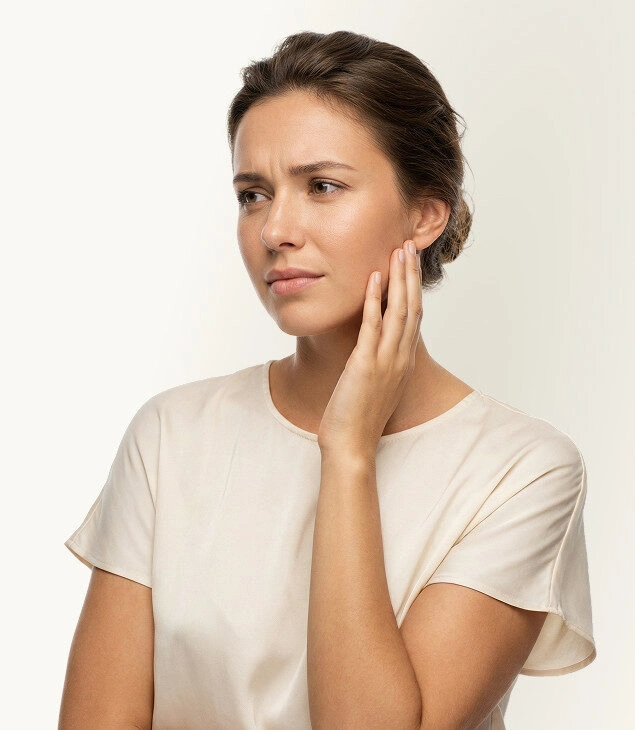
Easing Jaw Pain
Get relief from TMJ disorder at Pitt Street Dental Centre in the heart of Sydney CBD.
We provide solutions to address the cause of jaw problems to help stop the pain and prevent further issues.
Our team of professionals have extensive knowledge of the teeth as well as the muscles, ligaments and tendons of the jawbone and have a comprehensive understanding of the range of treatments for TMJ disorder.
What is TMJ Disorder?
TMJ is a shortened term for the temporo-mandibular joint, which is the joint that connects your jawbone to the skull. Because it gets extensive use throughout the day and night, it can be prone to muscle spasms, stiffness and misalignments that cause pain in the face, teeth, jaw and head.
Because TMJ issues are due to a wide range of factors, we offer numerous solutions here at Pitt St. Dental Centre.
TMJ Disorder Symptoms
Due to the many movable parts of the jawbone and skull, each patient may experience problems in this area differently. The following are some signs and symptoms that might indicate you have TMJ disorder:

Earaches and headaches due to unknown source
Jaw stiffness and pain near the ear
Tinnitus or ear ringing
Facial swelling
Clicking sound in jaw
Grating sound in jaw
Jaw joint stiffness or locking up
Many times, an over-the-counter pain medication and ice pack to the area of pain can help. But if you experience chronic problems, the best thing to do is have a dental checkup. When left untreated, the causes behind TMJ disorder can lead to worse problems including damaged teeth or serious health issues.
What Causes TMJ Disorder?
Pain, stiffness or other issues with the jawbone area may be due to a physical problem with the jaw or a health issue stemming from chronic tension. The following are some common causes of TMJ disorder:

Misalignment of the jawbone
Muscle spasms around jaw due to improperly aligned teeth or bite
Bruxism (teeth grinding)
Stress
Trauma to the face or head, such as whiplash
Arthritis in jaw area
Sleep apnea that leads to stress
Download Our Price List

Download Our Price List
We take great pride in providing a tailored treatment experience. Everyone’s dental needs are different, which is why we discuss options that are relevant to your specific situation and goals.
Frequently Asked Questions
What are the signs I might have TMJ disorder?
Common signs include jaw pain or soreness, clicking or popping when opening or closing the mouth, difficulty chewing, facial muscle tension, ear pain, and frequent headaches or neck stiffness. Some patients experience jaw locking or a limited range of movement. If any of these symptoms persist, a dental assessment is recommended.
Can TMJ disorder cause damage to my teeth?
Yes. Chronic clenching and grinding associated with TMJ disorder can cause significant tooth wear, cracking, and fracture over time. The excess load placed on the teeth and supporting bone can also affect restorations such as crowns and fillings. Addressing the underlying dysfunction early helps protect the long-term health of the teeth and jaw.
How is TMJ disorder diagnosed?
Diagnosis involves a thorough clinical examination of the jaw joints, muscles, and bite, alongside a review of symptoms and history. 3D imaging may be used to assess the position and condition of the joint in more complex cases. Your dentist will develop a treatment plan based on the findings specific to your situation.
What treatments are available?
Treatment depends on the underlying cause and severity and may include a custom occlusal splint to reduce the effects of clenching and grinding, physiotherapy, or adjustments to the bite. A conservative approach is typically recommended initially, with more involved options reserved for cases that do not respond. Your dentist will recommend an appropriate pathway based on your clinical assessment.
Can TMJ disorder resolve without treatment?
Mild cases sometimes improve with rest, stress management, and avoiding habits that strain the jaw such as clenching, chewing hard foods, or resting the chin on the hand. More persistent or complex cases are unlikely to resolve without clinical intervention and may worsen over time if left unaddressed. An early assessment helps determine whether treatment is needed and what form it should take.
Is TMJ disorder linked to stress?
Stress and anxiety are recognised contributing factors in many cases of TMJ disorder, as they can lead to habitual clenching or grinding that places excess load on the jaw joints and muscles. Addressing stress as part of a broader management approach is often beneficial alongside dental treatment. Your dentist will discuss all contributing factors at your assessment.
How long does TMJ treatment take?
The timeline varies depending on the severity of the condition and the treatment approach used. Many patients with mild to moderate TMJ disorder notice improvement within weeks of beginning splint therapy or other conservative treatment. More complex or long-standing cases may require ongoing management over a longer period.
Can TMJ disorder cause symptoms beyond the jaw?
Yes. TMJ disorder can contribute to headaches, neck and shoulder tension, ear pain, tinnitus, and facial muscle soreness, as the jaw joints and muscles have widespread connections to surrounding structures. These symptoms are sometimes not immediately associated with the jaw, which can delay diagnosis. If you experience any of these alongside jaw discomfort, mention them at your assessment.
Caring for your CEREC Crown
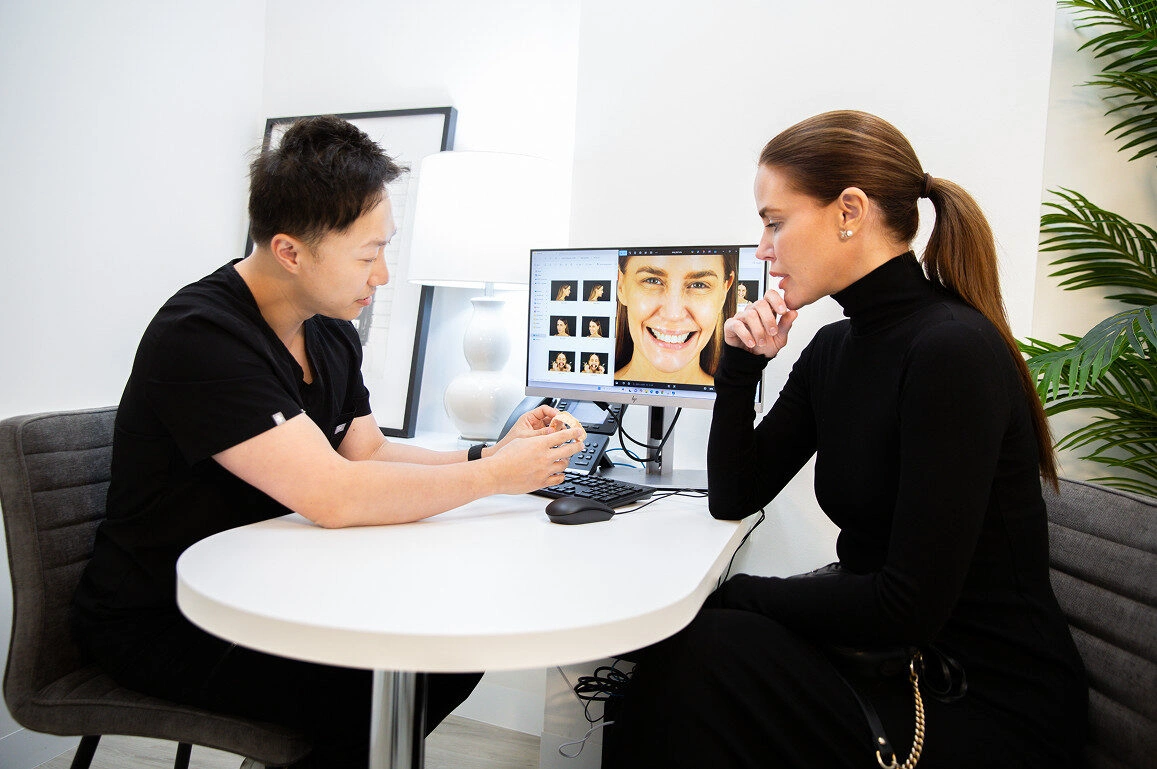
When you visit us here at Pitt St. Dental Centre for relief of TMJ problems, we will begin with a thorough dental examination and health history. We may collect data with x-rays, 3D scans or other tech for a comprehensive view of your jawbone and surrounding teeth.
The following are some treatments offered:
Call Today
If you need relief from TMJ disorder, give us a call right away for a full dental exam and evaluation, so we can help bring you relief and restore your oral health.
DISCLAIMER: The material posted is for informational purposes only and is not intended to substitute for professional medical advice, diagnosis or treatment. Results vary with each patient. Any dental procedure carries risks and benefits. If you have any specific questions about any dental and/or medical matter, you should consult your dentist, physician or other professional healthcare providers.
Medically Reviewed by Dr Michael Cai, BDS (Syd), Implant Specialist
Last Reviewed: July 21, 2026
CELEBRATED SMILES
A gallery of memorable moments with beautiful patients who trust us with their smiles.