Dental or medical fears
Sleep Dentistry Sydney
Sedation dentistry uses medication to help patients relax during dental procedures. Options range from happy gas (nitrous oxide) for mild anxiety through to twilight sedation (IV sedation) for moderate-to-deep relaxation, and general anaesthesia in a hospital setting for patients who want to be fully asleep during treatment.
Here at Pitt Street Dental Centre in Sydney CBD, we offer all three levels of sedation, making complete dental care accessible to patients who experience dental anxiety, have a strong gag reflex, or need extensive treatment completed in fewer appointments. Dr Cai holds surgical accreditation at Westmead Private Hospital and Strathfield Private Hospital for procedures requiring general anaesthesia.
Sedation can be combined with virtually any dental treatment, from routine check-ups to implant surgery and smile makeovers.
Calm, Comfortable Care
Calm, Comfortable Care
If anxiety or fear affects your ability to access dental care, sleep dentistry may be an option worth discussing. At Pitt Street Dental Centre in Sydney, patient comfort is a priority alongside attentive clinical care.
While many dental treatments involve minimal discomfort for most patients, we understand this is not the case for everyone. Sleep dentistry may help suitable patients receive the treatment they need with reduced anxiety.
Sleep Dentistry Services
Sleep dentistry is a term used to describe the use of medications or other methods to help patients relax during dental treatment. Not all forms of sleep dentistry result in complete unconsciousness. Some approaches are more commonly referred to as sedation dentistry or twilight sedation. The aim is to help patients feel more at ease during treatment. The level of awareness experienced varies between patients and methods used.
Sleep Dentistry vs Sedation Dentistry
Both approaches may help patients who experience anxiety or fear related to dental treatment. They both involve the use of methods designed to induce a state of relaxation or, in some cases, sleep, with the aim of supporting access to dental care. Here are the differences between the two:

Sleep Dentistry
This approach involves the use of medication or general anaesthesia to put the patient to sleep during treatment. It may be considered for patients with severe dental anxiety or for more complex procedures such as multiple wisdom teeth extractions or All-Teeth-On-4 dental implants.
Sedation Dentistry
This is the more common approach and may involve oral medications, nitrous oxide or intravenous (IV) sedation for twilight sedation. The aim is to help patients feel sufficiently relaxed to tolerate dental treatment. Suitability for each method is assessed individually.
Types of Sleep Dentistry — How Does it Work?

Oral sedation Oral medications may be considered for suitable patients. Often provided via prescription, the medication is typically taken around an hour before treatment begins to allow time for it to take effect.
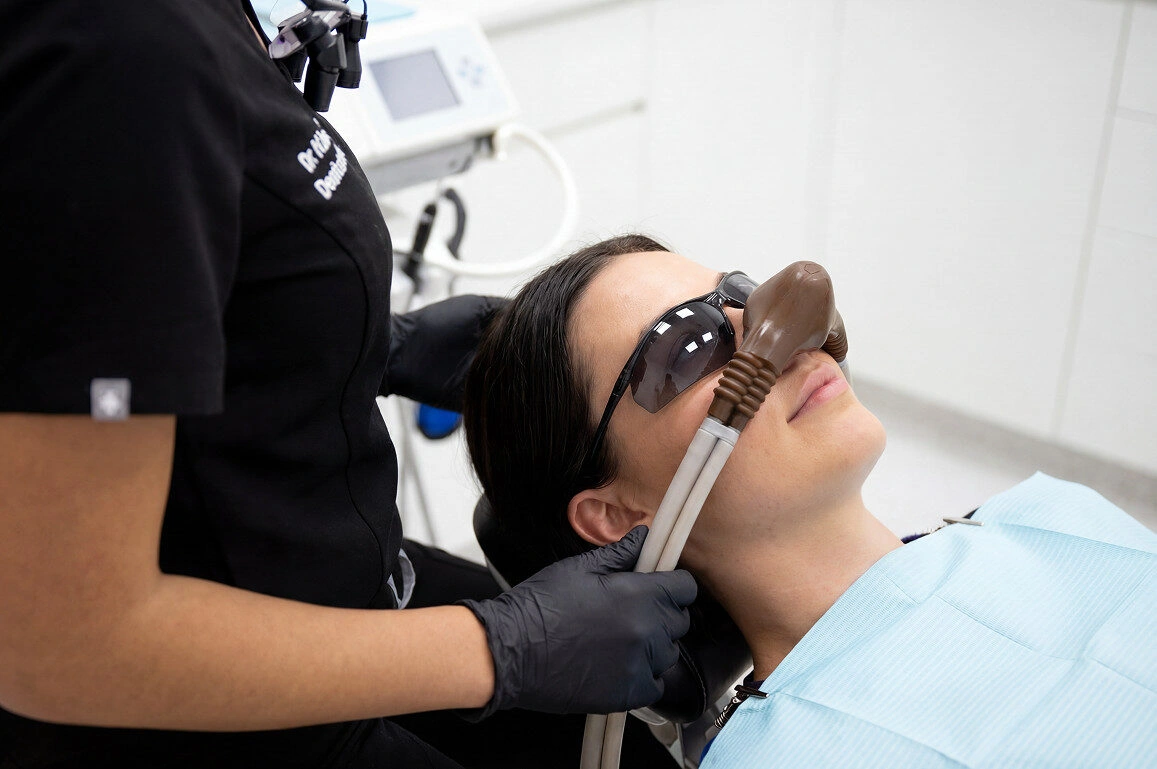
Nitrous oxide (happy gas) Nitrous oxide is administered via a breathing mask before and during treatment. It has a relatively rapid onset and wears off fairly quickly, which may suit patients who need to manage anxiety but have obligations shortly after their appointment.
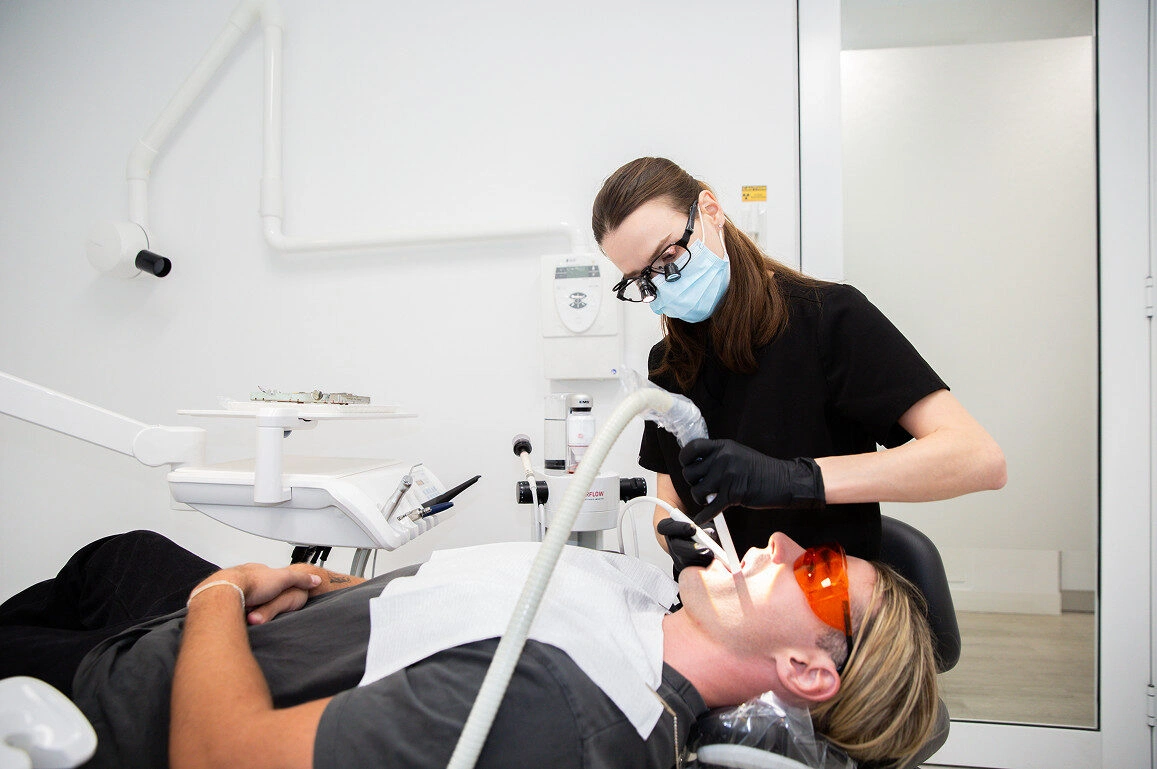
Twilight or IV sedation Administered intravenously into the forearm or the back of the hand, twilight sedation induces a deep state of relaxation. It takes time to wear off and you will need to arrange transport home after your appointment.
General anaesthesia Sleep dentistry using general anaesthesia must be arranged in advance and is monitored throughout the entire procedure. You will need to arrange transport home after treatment.
When Is Sleep Dentistry Used?
Some patients find dental treatment difficult due to past experiences, specific phobias or other factors. When anxiety leads to avoidance of dental care, oral health concerns such as gum disease or decay may go untreated, which can lead to further complications over time.
Sleep dentistry may support patients in accessing the treatment they need. It can be used for procedures such as tooth extractions, wisdom teeth removal or root canal treatment. Some patients also use it when multiple treatments are being performed in a single visit. The following are situations where sleep dentistry may be considered:
Preparing for Sleep Dentistry
Before your treatment, you will be given specific preparation instructions depending on the type of sedation being used. In many cases, this may involve avoiding certain foods or fasting for a period of time beforehand. If oral sedation is being used, you may need to collect a prescription and take the medication as directed before your appointment.
Your dentist will discuss all preparation requirements with you so you understand what is involved and what to expect.
Risks & Recovery
Sleep dentistry uses sedation to help patients feel relaxed during treatment, and like all medical procedures, it has risks and recovery considerations.
Possible risks may include:
- Nausea, drowsiness or dizziness following sedation
- Dry mouth or headache after the procedure
- In rare cases, allergic reaction or breathing difficulties related to sedative medications
- Temporary changes in blood pressure or heart rate, which are monitored during treatment
Recovery considerations:
- Patients may feel drowsy for several hours after the procedure
- Driving or operating machinery is not permitted for 24 hours after sedation
- A responsible adult must accompany the patient home
- Normal activities can usually be resumed the following day, depending on the procedure performed
Download Our Price List
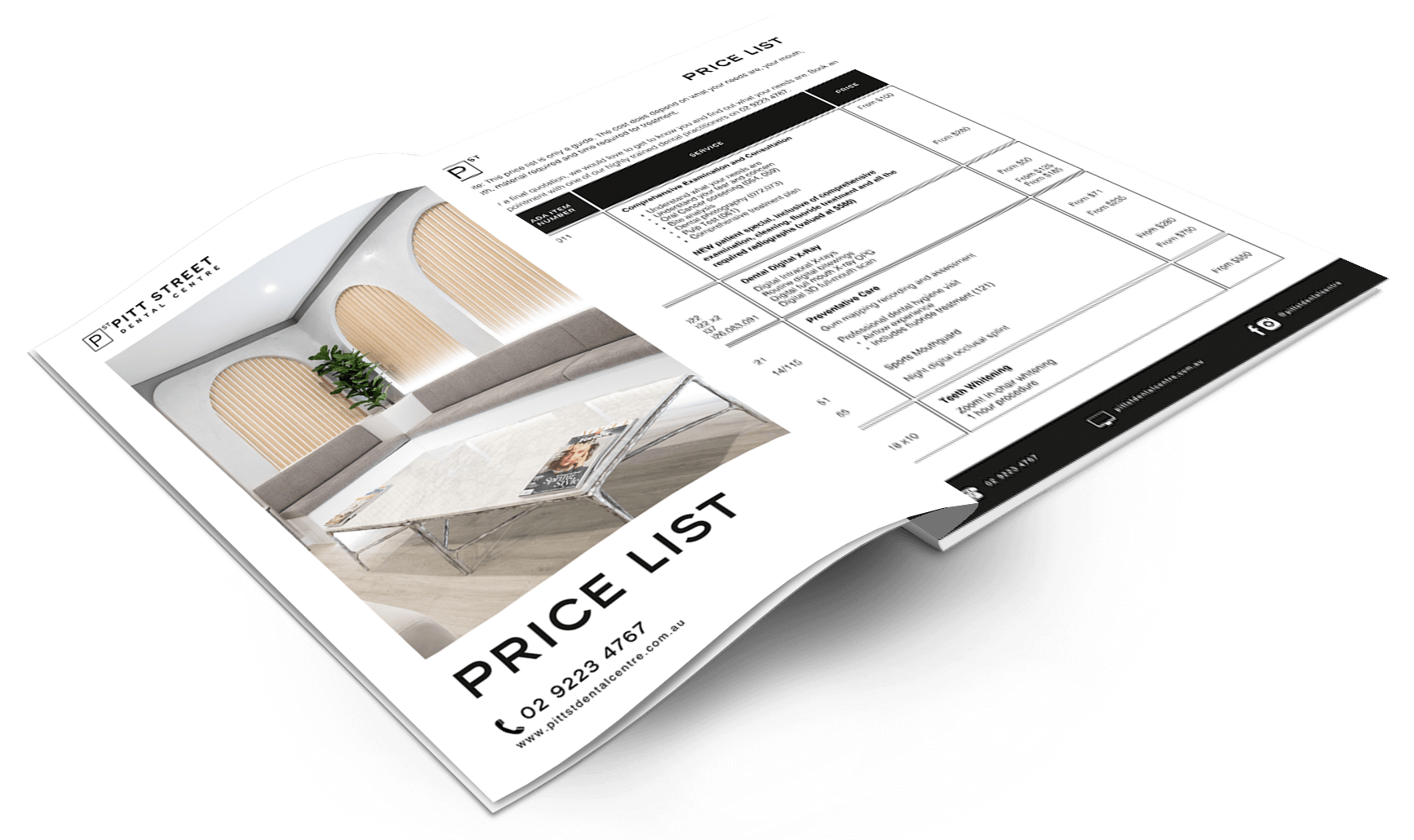
Download Our Price List
We take great pride in providing a tailored treatment experience. Everyone’s dental needs are different, which is why we discuss options that are relevant to your specific situation and goals.
Frequently Asked Questions
How long will it take to recover from sedation or general anaesthetic?
Most patients feel drowsy for several hours after the procedure. Recovery generally occurs within 24 hours, though individual experiences vary depending on the type of sedation used and the procedure involved. You should arrange for someone to drive you home and avoid operating machinery until fully recovered.
What sedation options are available?
Sleep dentistry encompasses several levels of sedation, from nitrous oxide for mild relaxation to oral sedation, intravenous twilight sedation, and general anaesthesia for patients who prefer to be fully unconscious. The most appropriate option depends on the procedure, the extent of dental anxiety, and your medical history. Your dentist will discuss the available options and make a recommendation at your consultation.
Who is sleep dentistry suitable for?
Sleep dentistry is suitable for patients with significant dental anxiety or phobia, those requiring lengthy or complex procedures, patients with a strong gag reflex, and those who prefer to have multiple treatments completed in a single appointment. It may also be appropriate for patients with certain medical or physical conditions that make standard treatment more challenging. Your dentist will assess your suitability at consultation.
Is sedation safe?
Sedation is administered by trained clinicians and is considered safe for the majority of patients when properly assessed and monitored. A thorough medical history review is conducted before any sedation appointment to identify factors that may affect your suitability. As with any medical procedure, risks exist and will be discussed with you in detail prior to treatment.
How should I prepare for a sedation appointment?
For most forms of sedation and general anaesthesia, fasting for a set period beforehand is required. You will need to arrange for a responsible adult to drive you to and from the appointment and to remain with you for several hours afterwards. Your dentist will provide specific preparation instructions tailored to the type of sedation being used.
Will I be aware of or remember the procedure?
The level of awareness depends on the type of sedation used. Nitrous oxide produces a relaxed, conscious state where you remain aware but at ease, while twilight sedation and general anaesthesia produce deeper states in which most patients have little to no memory of the procedure. Your dentist will explain what to expect based on the sedation option recommended for you.
How much treatment can be completed in one sedation session?
One of the practical benefits of sleep dentistry is that multiple procedures can often be completed in a single session, reducing the total number of appointments required. This can be particularly useful for patients with significant anxiety or those requiring complex or lengthy treatment. Your dentist will plan the treatment to be completed within a safe and appropriate timeframe.
Can children have sleep dentistry?
Yes. Sedation and general anaesthesia are available for children in appropriate clinical settings, particularly for those with significant dental anxiety, a strong gag reflex, or complex treatment needs. Paediatric sedation requires specific assessment and your dentist will evaluate suitability carefully before recommending this approach. A referral to a specialist may be appropriate in some cases.
Risks of Sleep Dentistry
Sleep dentistry requires agents such as medications to be administered and just like any medication, there are risks, although they are very low. The most common risks are side effects such as mild nausea, lightheadedness, dizziness, headaches and drowsiness. Ensuring you are well hydrated for a few days before your treatment may help lower these common side effects.
Our team here at Pitt Street Dental Centre only work with Medical Board certified general anaesthesists for your maximum comfort and safety. And with today’s technological advancements, risks associated with modern sedation or sleep dentistry are very low.
Concerned About Dental Treatment?
If anxiety or fear is affecting your ability to access dental care, contact us to discuss your options. Our team can explain the sleep dentistry options available and help determine whether any may be suitable for your situation.
DISCLAIMER: The material posted is for informational purposes only and is not intended to substitute for professional medical advice, diagnosis or treatment. Results vary with each patient. Any dental procedure carries risks and benefits. If you have any specific questions about any dental and/or medical matter, you should consult your dentist, physician or other professional healthcare providers.
Medically Reviewed by Dr Michael Cai, BDS (Syd), Implant Specialist
Last Reviewed: July 30, 2026
INSIGHTS & INSPIRATION
Understanding Dental Sedation Options: From Happy Gas to IV Sedation
What is Sleep Dentistry
Sedation Dentistry-Which Option is Right For You
INSIGHTS & INSPIRATION
Watch MoreCELEBRATED SMILES
A gallery of memorable moments with beautiful patients who trust us with their smiles.