Dental Crowns in Sydney CBD
Crowns And Bridges
Crowns And Bridges
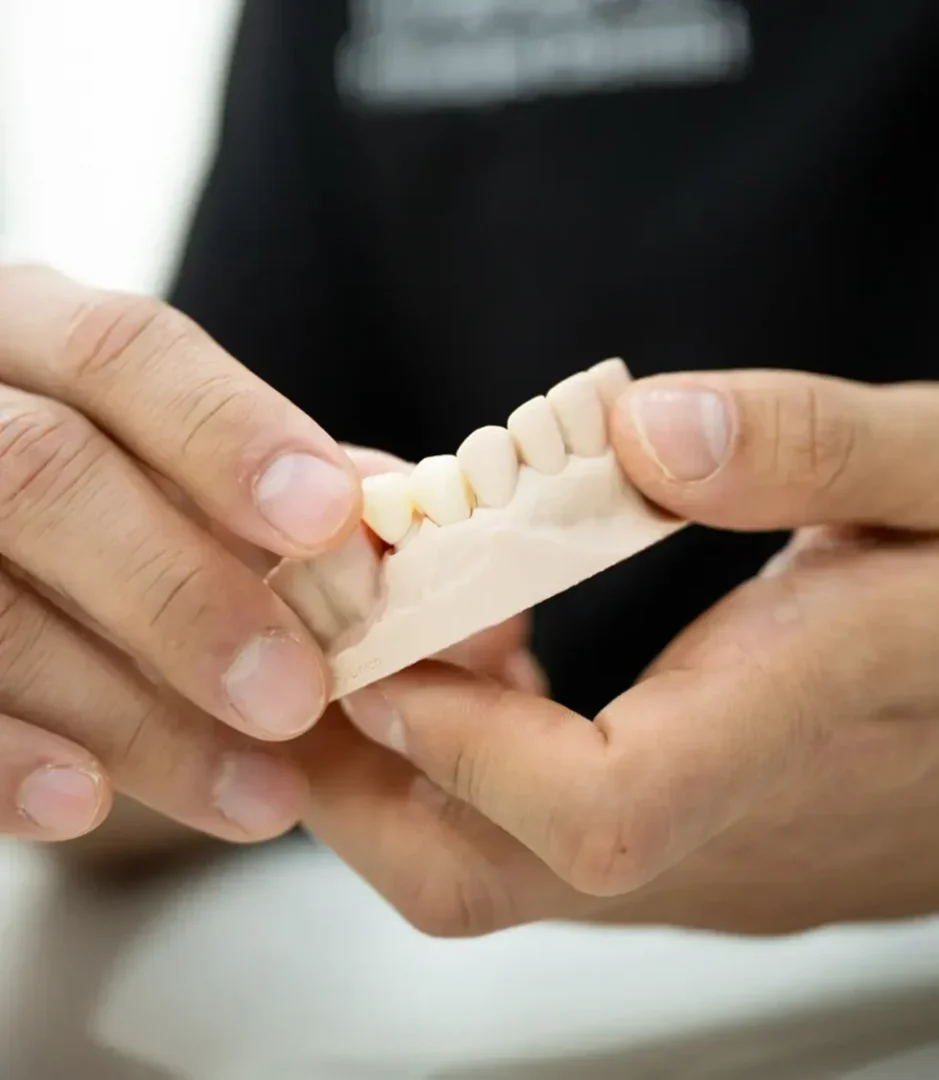
Dental crowns and bridges are common dental restorations to address tooth decay, gaps, fractures or discolouration. The permanent fixtures “cap” a damaged tooth or replace missing teeth, reinforcing the strength of your bite and the shine of your smile.
As a leading provider of dental crowns Sydney CBD, Pitt Street Dental Centre offers custom-made caps using industry-leading methods and materials.
To inquire about dental crowns or bridges, contact our Sydney CBD dental clinic today.
What are dental crowns?
Dental crowns involve capping a tooth or dental implant, enclosing the tooth to provide strength and cosmetic enhancement. Patients seeking dental crowns Sydney can choose from four types of crowns available at our clinic:

CEREC same-day restoration

CEREC same-day restoration

CEREC same-day restoration

CEREC same-day restoration
Crowns are usually bonded to the tooth with adhesive dental cement. Each available type differs in indictations, durability, strength, appearance and cost.
Your dentist will recommend the best solution based on your specific needs.
Bridges
A bridge replaces a missing tooth by joining an artificial tooth permanently to adjacent teeth or a dental implant. Bridges can be made from porcelain fused to metal, or sometimes only porcelain.
Our dentists may recommend a bridge if you are missing one or more teeth. Especially if you are at risk of gum disease or wish to replace a front tooth for aesthetic reasons, dental bridges provide a sustainable solution customised to match your existing teeth.
Dental crowns and bridges are common dental restorations to address tooth decay, gaps, fractures or discolouration. The permanent fixtures “cap” a damaged tooth or replace missing teeth, reinforcing the strength of your bite and the shine of your smile.
Pitt Street Dental Centre are highly experienced at providing custom made caps and bridges using industry leading methods and materials.
To inquire about dental crowns or bridges, contact our Sydney CBD dental clinic today.
When would I need a dental crown?
We may recommend a dental crown to:

Repair a fractured tooth
Cover discolouration
Protect a weak or decayed tooth
Cover a tooth after a root canal
Strengthen loose teeth
Realign your bite
Cover a large filling
Repair teeth in cases of trauma
Attach a dental implant (bridge)
Or for any other reason that results in a full and even smile.
What happens during the procedure?
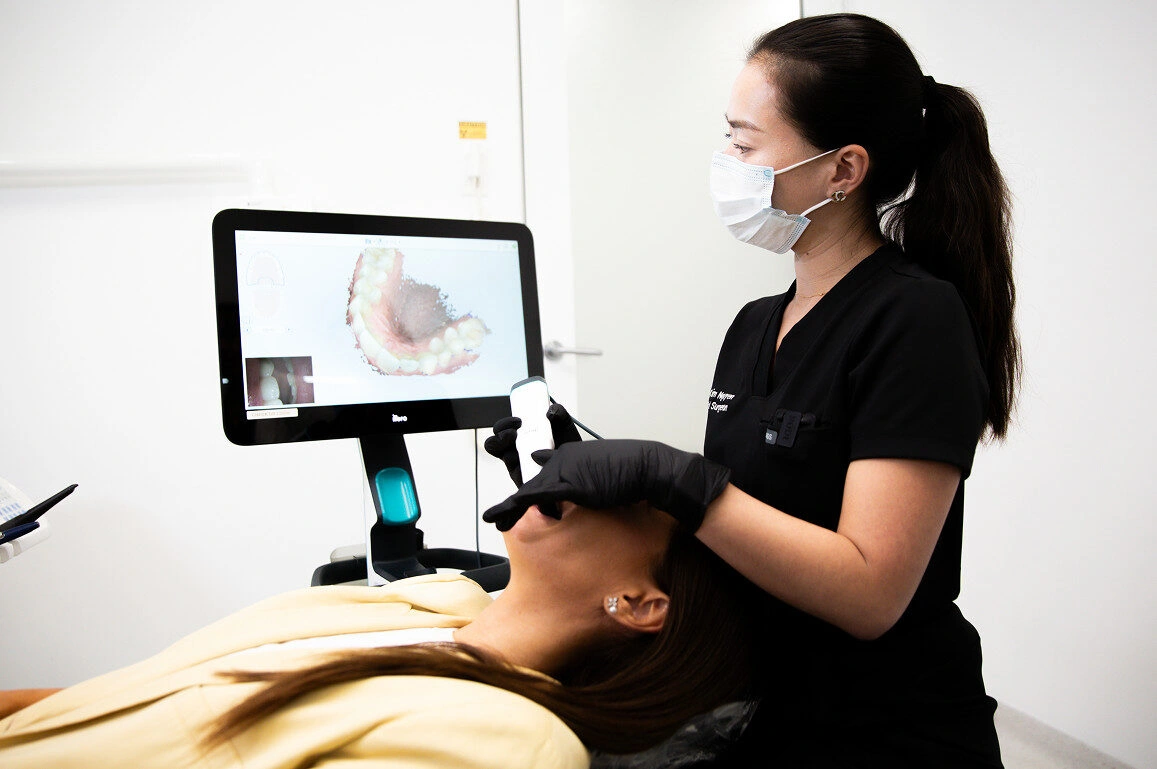
Dental crown procedures used to mean several visits but with advancements in crown technology we can now offer same-day CEREC crowns right here in our Sydney dental clinic.
3D scanning and rapid production methods allow us to take an accurate scan of the tooth to be capped and create high quality, durable crown in just a few hours. For dental crown appointments in the heart of Sydney, contact Pitt Street Dental Centre for available appointments.
CEREC vs traditional crowns in Sydney
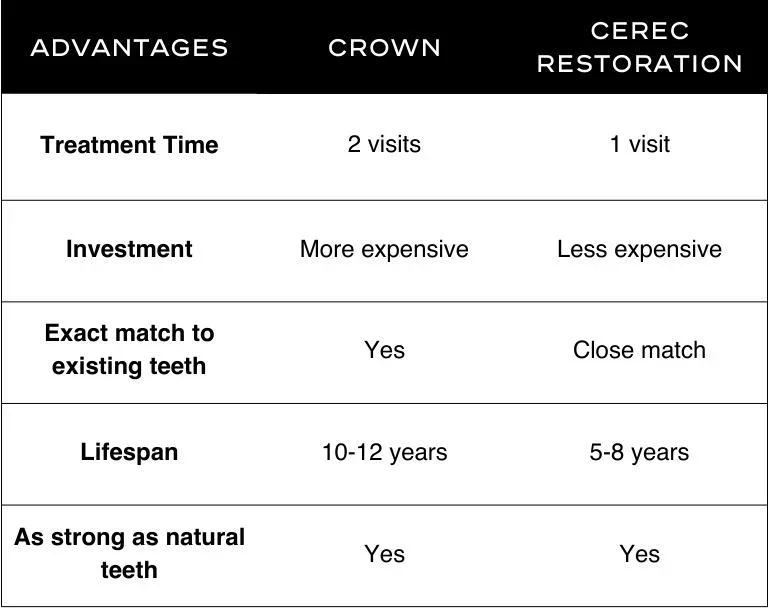
Advantages
CROWN
CEREC RESTORATION
Treatment Time
2 visits
1 visit
Investment
More expensive
Exact match to existing teeth
Yes
Close match
Lifespan
10-12 years
5-8 years
As strong as natural teeth
Yes
Yes
Patient Results
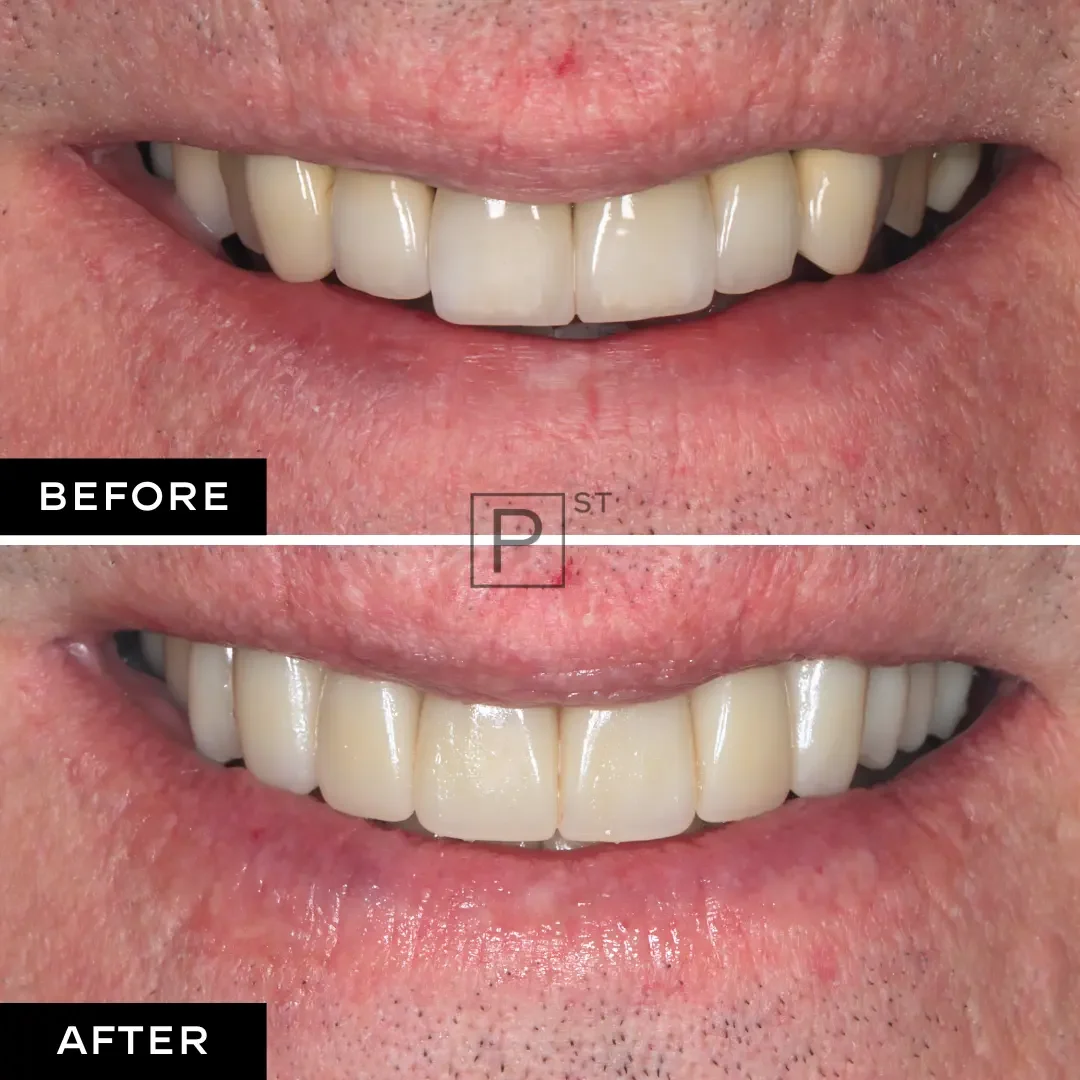
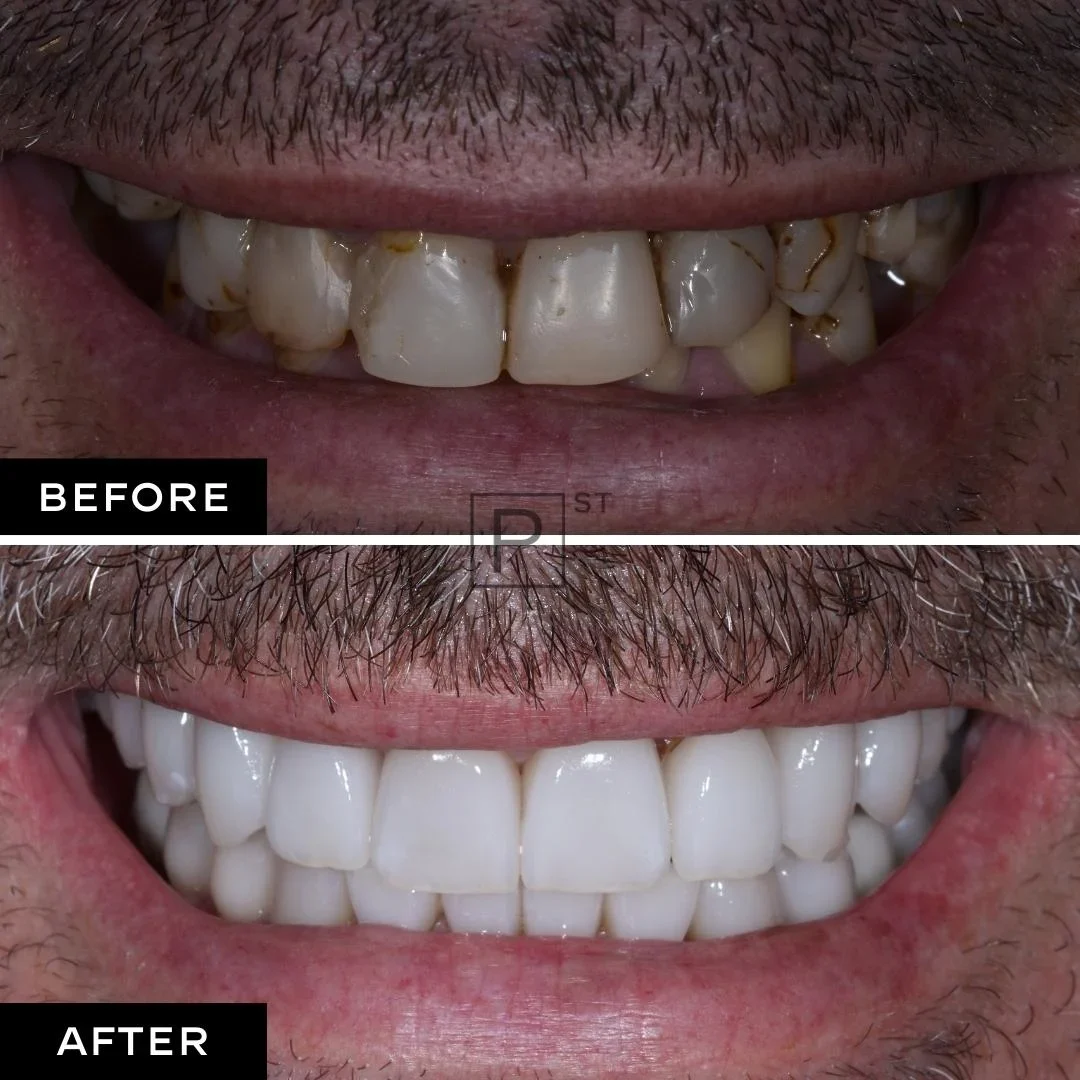
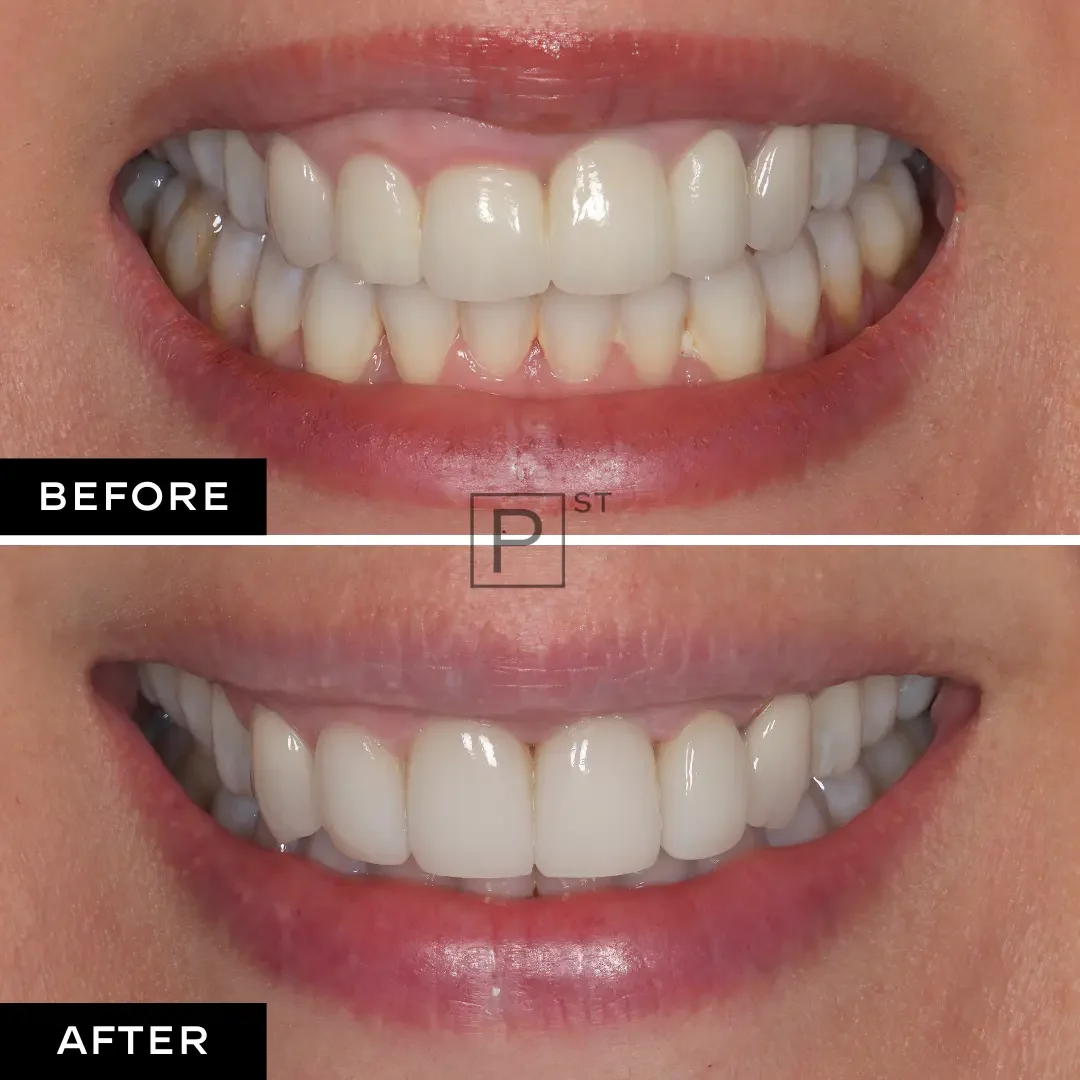
Warning: The ‘before’ and ‘after’ images shown are of a real patient of our clinic. These images are for illustrative purposes only and do not represent the results that all patients can expect. Results vary depending on individual circumstances, and all surgical and cosmetic procedures carry risks.
Disclaimer: The outcomes shown are only relevant for this patient and do not necessarily reflect the results other patients may experience.
What do I do after the dental crown procedure?
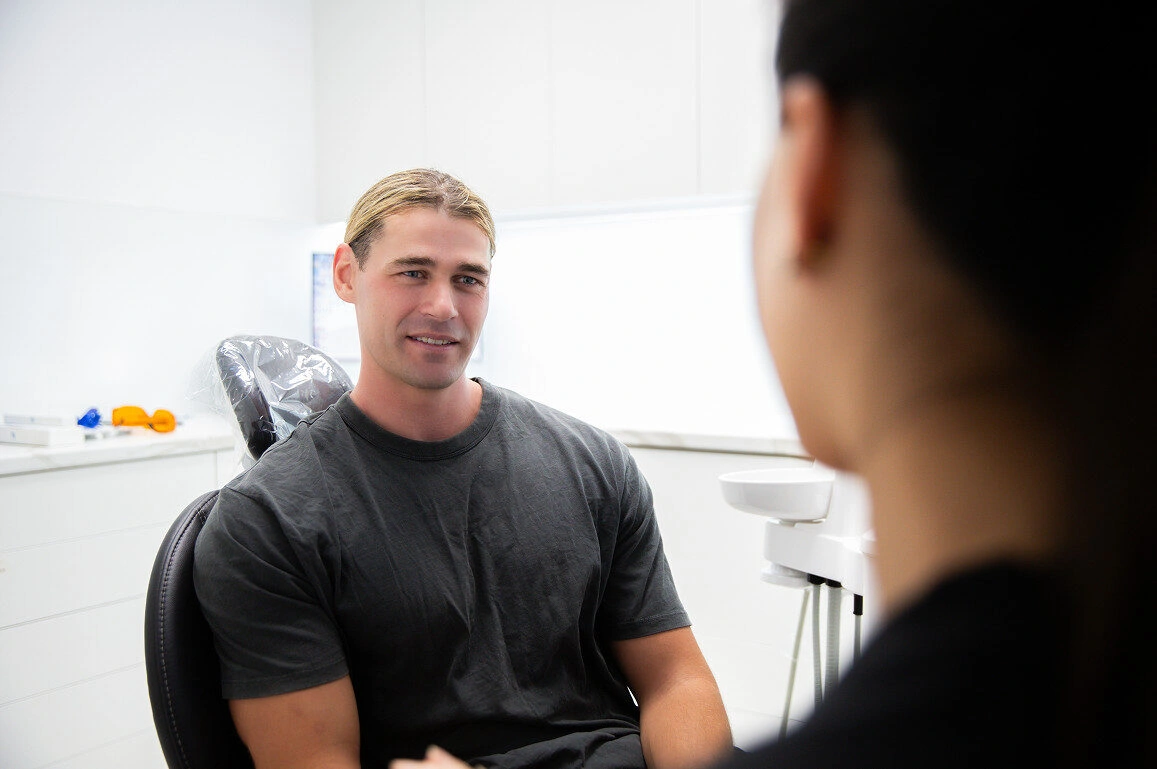
Once we bond the crown in with a strong adhesive, you are ready to enjoy your newfound confidence with a full mouth of pearly whites.
With the same care and attention you give all your teeth, a crown should last 5-8 more years or more without issue. It’s important to remember a dental crown doesn’t protect the underlying tooth from gum disease or decay, so good oral hygiene is important.
Your dentist will explain in more detail how to care for your new crown after the procedure. We recommend 6 monthly checkups and hygiene with your hygienists to improve the lifespan of your crowns.
Risks & Recovery
Crowns and bridges restore damaged or missing teeth, but like any restorative treatment, they come with risks and recovery considerations.
Possible risks may include:
- Temporary sensitivity to hot or cold after placement
- Gum irritation around the treated area
- Risk of fracture or loosening of the crown or bridge under excessive force
- In some cases, further treatment such as root canal therapy may be required if the underlying tooth becomes compromised
Recovery considerations:
- Many patients resume normal activities immediately after treatment
- Mild sensitivity usually improves within a few days
- Avoiding very hard or sticky foods at first can help protect the new restoration
- Regular reviews and good oral hygiene are important to maintain long-term function
Download Our Price List

Download Our Price List
We take great pride in providing a tailored treatment experience. Everyone’s dental needs are different, which is why we discuss options that are relevant to your specific situation and goals.
Frequently Asked Questions
Can a crown or bridge fail?
Crowns and bridges are long-lasting, but they may chip, loosen, or develop decay at the margins. Regular check-ups and good oral hygiene are essential to protect them.
What is the difference between a crown and a bridge?
A crown covers a single damaged or weakened tooth to restore its shape, strength, and function. A bridge replaces one or more missing teeth by anchoring to the adjacent natural teeth or implants on either side. Your dentist will recommend the most appropriate option based on your clinical situation.
Does getting a crown or bridge cause discomfort?
Treatment is carried out under local anaesthetic, so most patients experience minimal discomfort during the procedure. Some sensitivity and tenderness in the days following preparation are normal and typically settle as the area heals. Your dentist will advise on appropriate pain management after the appointment.
How do I care for a crown or bridge?
Crowns and bridges are maintained in much the same way as natural teeth. Twice-daily brushing and daily flossing are important, with particular attention given to cleaning beneath a bridge where food can accumulate. Regular professional check-ups allow your dentist to monitor the margins and surrounding tissue.
How long do crowns and bridges last?
With good oral hygiene and regular professional maintenance, crowns and bridges can last many years. Longevity depends on the materials used, the location in the mouth, bite forces, and individual habits. Individual results vary and your dentist will discuss realistic expectations at consultation.
What materials are crowns and bridges made from?
Crowns and bridges are most commonly made from porcelain or zirconia, which offer a natural-looking result and good durability. Metal-based options, including porcelain-fused-to-metal, are also available and may be recommended in areas of high bite force. Your dentist will discuss the most appropriate material for your specific tooth and situation.
Will I have a temporary crown between appointments?
Yes. A temporary crown is placed after the tooth is prepared to protect it and maintain function while the permanent restoration is being made. Temporary crowns are not as strong as the final restoration, so avoiding hard or sticky foods during this period is advisable. Your dentist will advise on any specific precautions to take.
How do I clean under a bridge?
Standard floss cannot pass beneath a bridge in the usual way, so a floss threader, interdental brush, or water flosser is recommended to clean under the pontic. Removing plaque and food debris from this area is important for protecting the health of the underlying gum and supporting teeth. Your dentist will demonstrate the appropriate technique at your fitting appointment.
Are there any alternatives?
Your dentist may recommend a dental crown or alternative treatment depending on your specific requirements. Here are some of the common dental crown alternatives:
DENTAL PROBLEM
ALTERNATIVE
Missing tooth
Dental bridge, implants and denture
Discolouration
Tooth decay
Fillings or inlays or onlays
Fractured tooth
Dental bonding, inlays or onlays
Cracked tooth
Dental bonding, inlays or onlays
Pitt Street Dental Centre has helped thousands of clients regain a full, confident smile and eliminate discomfort using dental crowns and bridges.
To enquire about dental crowns or book an appointment, you can contact us through the website.
DISCLAIMER: The material posted is for informational purposes only and is not intended to substitute for professional medical advice, diagnosis or treatment. Results vary with each patient. Any dental procedure carries risks and benefits. If you have any specific questions about any dental and/or medical matter, you should consult your dentist, physician or other professional healthcare providers.
INSIGHTS & INSPIRATION
Dr Michael – Crown with Patient Melissa
Dr Andy – Importance of Colour Shade Matching
Dr Andy – Crown Prep with Patient Daniel
Dr Michael – Crown Prep with Patient Olga
INSIGHTS & INSPIRATION
Watch MoreCELEBRATED SMILES
A gallery of memorable moments with beautiful patients who trust us with their smiles.