Gum Grafting Sydney
Gum grafting is a periodontal procedure that restores gum tissue lost to recession, covering exposed tooth roots and preventing further bone loss. At Pitt Street Dental Centre, gum grafting is led by celebrity dentist Dr Michael Cai, BDSc (Hons) WA MRACDS (GDP), with over 7,000 implants and 35,000 crowns placed across his career. Treatment typically involves a single appointment of 60 to 90 minutes, with full healing over four to six weeks.Gum grafting is a periodontal procedure that restores gum tissue lost to recession, covering exposed tooth roots and preventing further bone loss. At Pitt Street Dental Centre, gum grafting is led by celebrity dentist Dr Michael Cai, BDSc (Hons) WA MRACDS (GDP), with over 7,000 implants and 35,000 crowns placed across his career. Treatment typically involves a single appointment of 60 to 90 minutes, with full healing over four to six weeks.
Restoring Gum Tissue

Restoring Gum Tissue
Restoring Gum Tissue with Care
Do you have gum recession? Gum grafting is a treatment designed to address gum recession by adding tissue to areas where the gums have receded. This can help cover exposed tooth roots and reduce the risk of sensitivity or further damage.
At Pitt Street Dental Centre in Sydney CBD, our dentists perform gum grafting using a range of techniques tailored to individual needs. The focus is on restoring gum coverage and supporting long-term oral health.
What Is Gum Grafting?
Gum grafting helps restore gum tissue that has been lost through conditions such as periodontal disease, ageing, or abrasive dental habits. Left untreated, gum recession can leave the tooth roots exposed, which may increase the risk of decay and sensitivity.
There are several techniques available, including free gingival grafts, connective tissue grafts, and the Chao Pinhole® Surgical Technique. Each method has different applications, and your dentist will recommend the most appropriate approach depending on your oral health needs.
What Does the Procedure Involve?

Gum grafting is planned carefully to ensure patient safety and clarity at every stage.

Consultation
Your dentist will assess the health of your gums and teeth, explain the available grafting techniques, and provide information about what can realistically be achieved.

During the procedure
A local anaesthetic is applied to ensure comfort. Depending on the chosen technique, gum tissue may be repositioned, borrowed from another area of the mouth, or adjusted using a less invasive approach such as the pinhole technique. As with any dental procedure, there are risks involved and outcomes can vary between patients. Your dentist will discuss these with you prior to treatment.

Post-Procedure
Patients may notice changes to gum coverage following the procedure. Recovery can take several weeks, and following the aftercare instructions provided by your dentist is essential. Individual experiences and healing times differ.
Together, these steps are designed to provide a clear pathway from diagnosis through to recovery. Book a consultation with our team to discuss whether gum grafting may be suitable for you.
Download Our Price List

Download Our Price List
We take great pride in providing a tailored treatment experience. Everyone’s dental needs are different, which is why we discuss options that are relevant to your specific situation and goals.
Recovery and Aftercare
Following gum grafting, some tenderness or swelling is expected as the tissue heals. Your dentist will provide an aftercare plan which may include eating softer foods, rinsing with an antimicrobial mouthwash, and gentle brushing techniques to protect the grafted area. Avoiding smoking and very hot or spicy foods can also support recovery.
Healing times vary, but most patients notice improvement over several weeks as the graft integrates. Follow-up visits allow your dentist to check progress and guide you through each stage of recovery.
Frequently Asked Questions
What causes gum recession?
Gum recession can result from periodontal disease, ageing, or habits such as overly vigorous brushing. It may expose the roots of teeth, which can increase the risk of decay or sensitivity.
A dental assessment helps identify the cause and determine whether gum grafting is an appropriate treatment.
Are there different types of gum grafts?
Yes. Common approaches include free gingival grafts, connective tissue grafts, and the Chao Pinhole® Surgical Technique.
Each method is suited to different situations, and your dentist will recommend the most appropriate option for your needs following a thorough consultation and examination.
What should I expect during recovery from gum grafting?
Recovery typically takes several weeks. Some tenderness, swelling and sensitivity are common in the early stages. Your dentist will provide specific aftercare instructions and monitor your healing at follow-up visits. Individual recovery experiences vary.
Is gum grafting a painful procedure?
The procedure is performed under local anaesthetic, so most patients experience minimal discomfort during treatment. Tenderness at both the graft and donor sites is normal in the days following and typically settles as healing progresses. Your dentist will advise on pain management and what to expect during recovery.
How long do gum grafting results last?
Gum grafting is considered a long-lasting treatment when the underlying cause of recession is identified and managed. Maintaining good oral hygiene, attending regular check-ups, and addressing contributing factors such as brushing technique help protect the results over time. Individual outcomes vary and your dentist will discuss realistic expectations at consultation.
Where does the graft tissue come from?
In most cases, graft tissue is taken from the roof of the mouth, which heals well and provides tissue that closely matches the existing gum. In some techniques, such as the Chao Pinhole Surgical Technique, no donor tissue is required as the existing gum is repositioned. Your dentist will explain the tissue source relevant to the approach recommended for your case.
Can gum recession recur after grafting?
Gum recession can recur if the underlying cause is not addressed. Contributing factors such as aggressive brushing technique, grinding, or inadequately treated gum disease should be managed alongside and after treatment to protect the long-term result. Your dentist will discuss how to maintain the health of the grafted tissue at follow-up appointments.
Will gum grafting help with tooth sensitivity?
Gum grafting can help reduce sensitivity caused by exposed root surfaces by covering the area with a protective layer of tissue. The degree of improvement varies between patients and depends on the extent of recession and individual healing. Your dentist will give you a realistic assessment of what to expect for your specific situation.
Considering Gum Grafting?
At Pitt Street Dental Centre in Sydney CBD, gum grafting is carried out using techniques designed to restore gum coverage and protect exposed tooth roots. The procedure involves carefully repositioning or adding tissue to areas where the gums have receded.
If you would like to know whether gum grafting may be an option for you, our team can explain the available approaches and provide recommendations based on your individual needs. Contact us to arrange a consultation.
DISCLAIMER: The material posted is for informational purposes only and is not intended to substitute for professional medical advice, diagnosis or treatment. Results vary with each patient. Any dental procedure carries risks and benefits. If you have any specific questions about any dental and/or medical matter, you should consult your dentist, physician or other professional healthcare providers.
INSIGHTS & INSPIRATION
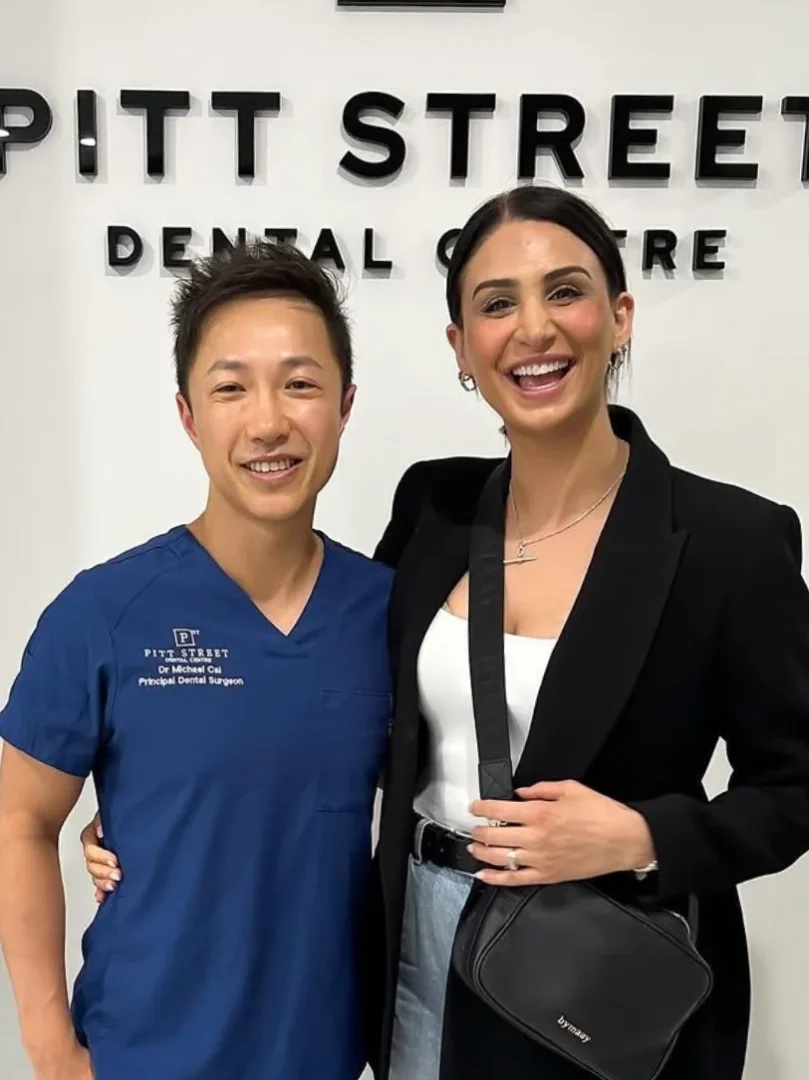
CELEBRATED SMILES
A gallery of memorable moments with beautiful patients who trust us with their smiles.