FREE Take Home Whitening + 3 Clear Retainers (worth $1,200) with Invisalign treatment. Ends June 2026. See the Offer 

The Replacement Dilemma: Why Implants vs Bridges Isn’t Just About Filling the Gap

People Asked:
How much length can veneers realistically add to short teeth?

Veneers can typically add 2-4 millimetres of length to short teeth while maintaining natural appearance and function. The exact amount depends on your bite, facial proportions, and aesthetic goals. Your dentist will determine the optimal length during the planning phase using digital smile design technology to preview results before treatment begins.

Some people have teeth that appear shorter than ideal proportions, whether due to genetics, wear, or excessive gum tissue. Veneers for short teeth represent one approach to addressing these concerns, though it’s important to understand both the possibilities and limitations of this treatment.

Tooth length significantly affects smile aesthetics and overall facial proportions. When teeth appear disproportionately short, whether from natural development, grinding wear, or gum tissue coverage, various treatment options exist to address these concerns.

Veneers for short teeth can add length while maintaining natural proportions, but this treatment requires careful assessment, realistic expectations, and understanding of the risks and limitations involved.

Modern veneer treatment can address tooth length concerns, but success depends on proper case selection, thorough planning, and realistic expectations about outcomes.

Understanding Why Teeth Appear Short

Before exploring how veneers for short teeth work, it’s worth understanding what causes teeth to appear shorter than ideal.

Genetics and Development: Some people naturally develop shorter teeth, creating a smile that appears disproportionate to facial features.

Tooth Wear: Bruxism (teeth grinding), aggressive brushing, or acidic diets can wear down tooth enamel over years, literally shortening teeth without patients realising the change is happening.

Excessive Gum Tissue: Sometimes teeth aren’t actually short; they’re just covered by excess gum tissue. This “gummy smile” makes teeth appear stubby. In these cases, veneers for short teeth work best when combined with gum contouring.

Age-Related Changes: As we age, teeth naturally wear down while gum tissue can change position, creating the appearance of shorter teeth.

How Veneers Create Natural-Looking Length

The magic of veneers for short teeth lies in their ability to extend tooth length while maintaining natural proportions.

Strategic Extension: Veneers can add 2-4 millimetres of length to short teeth. This might not sound dramatic, but it creates significant visual impact. The key is ensuring the added length maintains proper proportions with facial features.

Width-to-Length Ratios: According to research from the Australian Society of Cosmetic Dentistry, the ideal width-to-length ratio for front teeth is approximately 75-80%. Veneers for short teeth restore these ideal proportions, creating visually pleasing results.

Gum Line Integration: Successful veneers for short teeth must be designed with the gum line in mind. Often, treatment combines gum contouring with veneer placement for optimal aesthetics.

The Assessment Process

Determining whether veneers for short teeth are appropriate requires comprehensive evaluation beyond simply measuring tooth length.

Your dentist analyses how tooth length relates to your facial features, lip position, and smile line. Extending tooth length affects how teeth come together when you bite, so proper planning ensures veneers don’t create bite problems. Healthy gum tissue is essential for successful veneer placement.

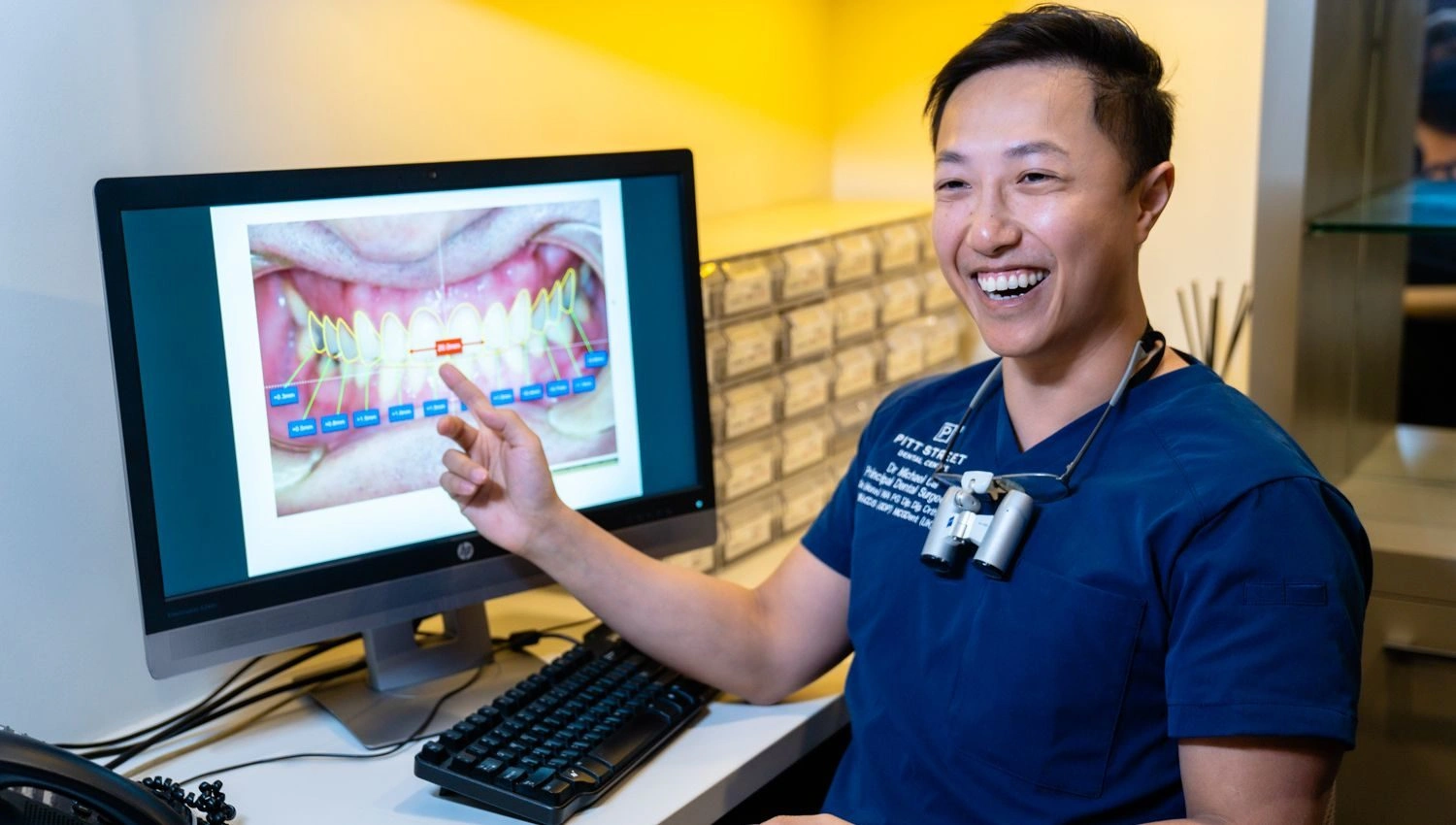
Modern practices use sophisticated imaging technology to preview how veneers for short teeth will look before treatment begins. This eliminates guesswork and ensures you’re completely comfortable with the planned results.

Treatment Approaches for Different Scenarios

The specific approach to using veneers for short teeth varies depending on the underlying cause.

Worn Teeth: When grinding or erosion has shortened teeth, veneers restore original length while protecting remaining tooth structure. Often, patients also receive night guards to protect their investment.

Naturally Short Teeth: Genetically short teeth benefit from veneers that extend length while creating ideal proportions. The challenge is ensuring the added length looks natural rather than obviously artificial.

Gummy Smile Cases: When excess gum tissue makes teeth appear short, treatment combines gum contouring with veneers for short teeth. The gum tissue is reshaped first, revealing more natural tooth length, then veneers optimise the final proportions.

Aesthetic Considerations and Natural Results

The difference between veneers for short teeth that look amazing and those that look fake often comes down to subtle aesthetic considerations.

Gradual Transitions: Successful treatment creates gradual length transitions between veneered and natural teeth. Often, treating 6-10 teeth creates better overall harmony than treating just 2-4.

Age Appropriateness: A 25-year-old’s ideal tooth length differs from a 55-year-old’s. Veneers for short teeth should enhance your smile while respecting age-appropriate aesthetics.

Texture and Characterisation: Natural teeth have subtle texture variations. Veneers for short teeth that incorporate these characteristics look more authentic than perfectly smooth, uniform restorations.

Longevity and Maintenance

Well-made veneers typically last 15-20 years with proper care. Factors affecting longevity include oral hygiene, grinding habits, and overall dental health.

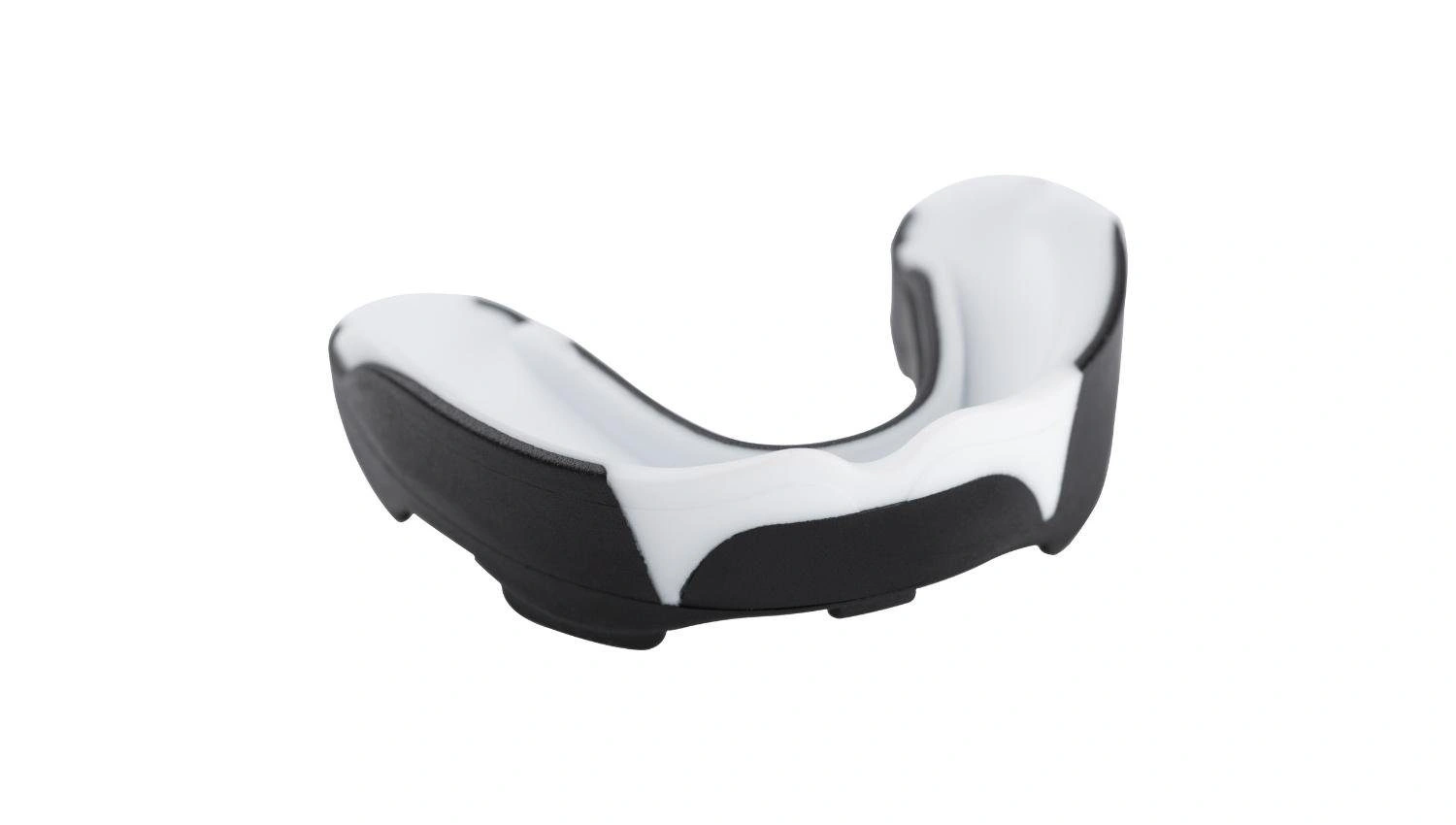
Patients who grind teeth need night guards to protect their veneers. Without protection, veneers can chip or crack, particularly when they extend tooth length significantly. Veneers for short teeth require the same care as natural teeth: regular brushing, flossing, and professional cleanings.

Cost and Value Considerations

Veneers for short teeth represent a significant investment. Veneer costs vary based on material quality, complexity, and the number of teeth treated. Treating more teeth typically results in better aesthetic outcomes.

When you calculate cost over 15-20 years of wear, veneers for short teeth often prove economical compared to constantly dealing with appearance concerns. While difficult to quantify financially, the confidence benefits of feeling good about your smile have genuine value in both personal and professional contexts.

Making Informed Decisions About Veneer Treatment

Deciding if veneers for short teeth make sense for you means looking at your goals honestly and understanding what’s actually achievable.

A few things worth considering: Sometimes gum contouring alone solves the problem without needing veneers at all. Your bite matters too – changing tooth length can affect how your teeth come together. And veneers are permanent; once tooth structure is removed, there’s no going back.

The reality check: Veneers typically last 15-20 years, then need replacing. They require removal of natural tooth structure. Results depend on things like your oral hygiene, whether you grind your teeth, and how you care for them. Not everyone is a suitable candidate.

Sometimes better options exist: If excess gum is the main issue, gum contouring might be all you need. For minor length additions, composite bonding offers a more conservative approach. If positioning is the problem, orthodontics might actually address the root cause.

Working with dental professionals who’ll honestly assess your situation and discuss all your options is essential. The goal is finding what actually works for your circumstances, not just what’s possible to do.

Individual results vary significantly. What works beautifully for one person might not work the same way for another. Multiple factors affect outcomes, including your tooth structure, bite forces, and how diligently you maintain them.

Explore Treatment Options for Short Teeth

Concerned about short, worn, or disproportionate teeth? The team at Pitt Street Dental Centre provides comprehensive assessments and discusses all available treatment options for tooth length concerns.

Call us today to schedule your smile assessment. Complete our enquiry form or phone our practice to discuss how veneers or alternative treatments might address your concerns.


DISCLAIMER:
The content has been made available for informational and educational purposes only. Pitt Street Dental Centre does not make any representation or warranties with respect to the accuracy, applicability, fitness, or completeness of the content.

The content is not intended to be a substitute for professional personal diagnosis or treatment. Always seek the advice of your dentist or another qualified health provider with any questions you may have regarding a dental or medical condition. Never disregard professional advice or delay seeking it because of something you have read or seen on the Site.

Services We Mentioned:

Ready to get started?

Just fill in this form and we will be in touch

People Asked:
How much length can veneers realistically add to short teeth?

Veneers can typically add 2-4 millimetres of length to short teeth while maintaining natural appearance and function. The exact amount depends on your bite, facial proportions, and aesthetic goals. Your dentist will determine the optimal length during the planning phase using digital smile design technology to preview results before treatment begins.

Some people have teeth that appear shorter than ideal proportions, whether due to genetics, wear, or excessive gum tissue. Veneers for short teeth represent one approach to addressing these concerns, though it’s important to understand both the possibilities and limitations of this treatment.

Tooth length significantly affects smile aesthetics and overall facial proportions. When teeth appear disproportionately short, whether from natural development, grinding wear, or gum tissue coverage, various treatment options exist to address these concerns.

Veneers for short teeth can add length while maintaining natural proportions, but this treatment requires careful assessment, realistic expectations, and understanding of the risks and limitations involved.

Modern veneer treatment can address tooth length concerns, but success depends on proper case selection, thorough planning, and realistic expectations about outcomes.

Understanding Why Teeth Appear Short

Before exploring how veneers for short teeth work, it’s worth understanding what causes teeth to appear shorter than ideal.

Genetics and Development: Some people naturally develop shorter teeth, creating a smile that appears disproportionate to facial features.

Tooth Wear: Bruxism (teeth grinding), aggressive brushing, or acidic diets can wear down tooth enamel over years, literally shortening teeth without patients realising the change is happening.

Excessive Gum Tissue: Sometimes teeth aren’t actually short; they’re just covered by excess gum tissue. This “gummy smile” makes teeth appear stubby. In these cases, veneers for short teeth work best when combined with gum contouring.

Age-Related Changes: As we age, teeth naturally wear down while gum tissue can change position, creating the appearance of shorter teeth.

How Veneers Create Natural-Looking Length

The magic of veneers for short teeth lies in their ability to extend tooth length while maintaining natural proportions.

Strategic Extension: Veneers can add 2-4 millimetres of length to short teeth. This might not sound dramatic, but it creates significant visual impact. The key is ensuring the added length maintains proper proportions with facial features.

Width-to-Length Ratios: According to research from the Australian Society of Cosmetic Dentistry, the ideal width-to-length ratio for front teeth is approximately 75-80%. Veneers for short teeth restore these ideal proportions, creating visually pleasing results.

Gum Line Integration: Successful veneers for short teeth must be designed with the gum line in mind. Often, treatment combines gum contouring with veneer placement for optimal aesthetics.

The Assessment Process

Determining whether veneers for short teeth are appropriate requires comprehensive evaluation beyond simply measuring tooth length.

Your dentist analyses how tooth length relates to your facial features, lip position, and smile line. Extending tooth length affects how teeth come together when you bite, so proper planning ensures veneers don’t create bite problems. Healthy gum tissue is essential for successful veneer placement.

Modern practices use sophisticated imaging technology to preview how veneers for short teeth will look before treatment begins. This eliminates guesswork and ensures you’re completely comfortable with the planned results.

Treatment Approaches for Different Scenarios

The specific approach to using veneers for short teeth varies depending on the underlying cause.

Worn Teeth: When grinding or erosion has shortened teeth, veneers restore original length while protecting remaining tooth structure. Often, patients also receive night guards to protect their investment.

Naturally Short Teeth: Genetically short teeth benefit from veneers that extend length while creating ideal proportions. The challenge is ensuring the added length looks natural rather than obviously artificial.

Gummy Smile Cases: When excess gum tissue makes teeth appear short, treatment combines gum contouring with veneers for short teeth. The gum tissue is reshaped first, revealing more natural tooth length, then veneers optimise the final proportions.

Aesthetic Considerations and Natural Results

The difference between veneers for short teeth that look amazing and those that look fake often comes down to subtle aesthetic considerations.

Gradual Transitions: Successful treatment creates gradual length transitions between veneered and natural teeth. Often, treating 6-10 teeth creates better overall harmony than treating just 2-4.

Age Appropriateness: A 25-year-old’s ideal tooth length differs from a 55-year-old’s. Veneers for short teeth should enhance your smile while respecting age-appropriate aesthetics.

Texture and Characterisation: Natural teeth have subtle texture variations. Veneers for short teeth that incorporate these characteristics look more authentic than perfectly smooth, uniform restorations.

Longevity and Maintenance

Well-made veneers typically last 15-20 years with proper care. Factors affecting longevity include oral hygiene, grinding habits, and overall dental health.

Patients who grind teeth need night guards to protect their veneers. Without protection, veneers can chip or crack, particularly when they extend tooth length significantly. Veneers for short teeth require the same care as natural teeth: regular brushing, flossing, and professional cleanings.

Cost and Value Considerations

Veneers for short teeth represent a significant investment. Veneer costs vary based on material quality, complexity, and the number of teeth treated. Treating more teeth typically results in better aesthetic outcomes.

When you calculate cost over 15-20 years of wear, veneers for short teeth often prove economical compared to constantly dealing with appearance concerns. While difficult to quantify financially, the confidence benefits of feeling good about your smile have genuine value in both personal and professional contexts.

Making Informed Decisions About Veneer Treatment

Deciding if veneers for short teeth make sense for you means looking at your goals honestly and understanding what’s actually achievable.

A few things worth considering: Sometimes gum contouring alone solves the problem without needing veneers at all. Your bite matters too – changing tooth length can affect how your teeth come together. And veneers are permanent; once tooth structure is removed, there’s no going back.

The reality check: Veneers typically last 15-20 years, then need replacing. They require removal of natural tooth structure. Results depend on things like your oral hygiene, whether you grind your teeth, and how you care for them. Not everyone is a suitable candidate.

Sometimes better options exist: If excess gum is the main issue, gum contouring might be all you need. For minor length additions, composite bonding offers a more conservative approach. If positioning is the problem, orthodontics might actually address the root cause.

Working with dental professionals who’ll honestly assess your situation and discuss all your options is essential. The goal is finding what actually works for your circumstances, not just what’s possible to do.

Individual results vary significantly. What works beautifully for one person might not work the same way for another. Multiple factors affect outcomes, including your tooth structure, bite forces, and how diligently you maintain them.

Explore Treatment Options for Short Teeth

Concerned about short, worn, or disproportionate teeth? The team at Pitt Street Dental Centre provides comprehensive assessments and discusses all available treatment options for tooth length concerns.

Call us today to schedule your smile assessment. Complete our enquiry form or phone our practice to discuss how veneers or alternative treatments might address your concerns.

DISCLAIMER:
The content has been made available for informational and educational purposes only. Pitt Street Dental Centre does not make any representation or warranties with respect to the accuracy, applicability, fitness, or completeness of the content.

The content is not intended to be a substitute for professional personal diagnosis or treatment. Always seek the advice of your dentist or another qualified health provider with any questions you may have regarding a dental or medical condition. Never disregard professional advice or delay seeking it because of something you have read or seen on the Site.

Services We Mentioned:

Ready to get started?

Just fill in this form and we will be in touch

DOWNLOAD PRICE LIST

Please enter your mobile number and email address so we can send you the price list via SMS and email along with some of our patients’ smile transformations in the next few minutes.

"*" indicates required fields

This field is for validation purposes and should be left unchanged.

Hi, you’re chatting with Pitt Street Dental Centre. If you could please fill out all your details below, we will be in contact with you shortly.

"*" indicates required fields

This field is for validation purposes and should be left unchanged.
Patient Status*