Imagining being someone of special needs is a more than challenging task for someone whose life and circumstance have genetically and statistically blessed them to only have to imagine it.
The breadth and depth of what that special need, or tailored service encompasses is as extensive as a bloom of lion’s mane jellyfish with tentacles that can drape a 12-storey building.
Across schools, social services and healthcare are physical, emotional, developmental, psychosocial, sensory, and chronic medical differences that define whether or not someone can navigate and experience an environment safely and easily.
Just the current diagnostic manual of unique mental health disorders lists more than 300 conditions considered special needs. These few hundred come from sixteen major categories that form official diagnoses. From mild neurocognitive to the profound and trauma-related, across the wide, wide spectrum of diversity of need it represents only one of the four primary categories of human faculties and facets where difference is designated and accommodated.
Within all that, is autism. One neurotype; three levels of support requirements. Prior to 2013, it had five subcategories.
Then there’s each of the remaining major sections, their relevant subdivisions and the heavy likelihood of multi-level multiplicity. Include in that older adult frailty, patients in palliative care, and bone marrow and organ transplant recipients.
Imagine imagining that. In all its red string, link analysis territory glory. Calling for an Anacapa chart and yards of Raymond Chandler’s “lifeblood of tired men” – rich, strong, bitter, boiling hot …
According to WHO (the organisation, not the magazine) 16% of the global population lives with a significant special need, including being autistic. Couple that with 35% of the worldwide adult population not regularly seeing a dentist and that’s a lot of people not getting dental care; often through no fault of their own.
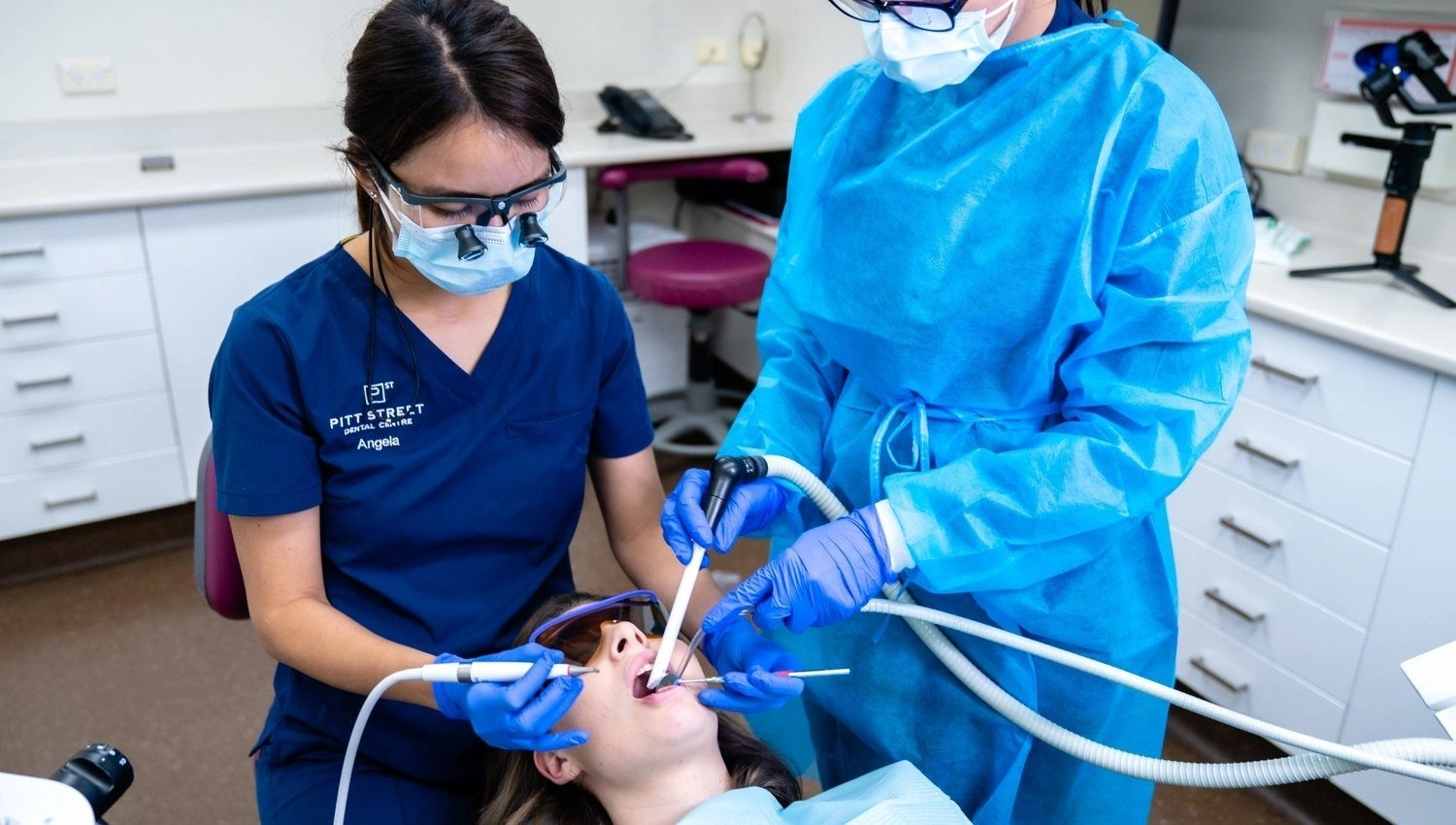
Dental environments are not necessarily the most comfortable place for patients who are not neurodiverse, let alone when bright lights, strong sounds, and sharp sensations and tastes are a sensory overwhelm. Add behavioural and communication challenges, and there’s deep appreciation for the complex skills, understanding and expertise it takes to provide special needs people proper access to quality dentistry.
The road to these specialised clinics is often paved with sedation.
It’s not uncommon for selective eating and sometimes overeating, of often highly sweetened, flavoured and processed foods to be favoured by the disabled. The predictability of texture and taste is appealing; particularly if there’s an insistence for sameness as a reliable safety or comfort mechanism. The risk of tooth decay is high – not only due to the heightened sugar and carbohydrate intake, but because effective dental hygiene is difficult to manage. Oral health is further compromised by the probability of enamel damage and more cavities from dry mouth and acid reflux that accompany some life-long medications.
It is for these reasons that patients who are able to spit are often recommended prescription toothpaste for at-home, preventative care. They contain up to 5 times more fluoride than a standard adult tube. Manual or electric angled, triple-headed toothbrushes are also strongly suggested as they clean each tooth’s inner, outer and occlusal surfaces simultaneously, which also means a reduction in total brushing time for anyone without the motor skills or dexterity.
Plastic cheek retractors can help make brushing easier and alleviate a sensitive gag reflex. Silver diamine treats early decay without the need to drill.
The practice of practices to reduce overstimulation uses the silent appointment structure that assures the patient, and helps them feel calm without the need for excessive verbal communication. It’s one of the first steps in enabling a patient to have whatever diagnostic, preventative, restorative or surgical procedure essential for the maintenance or improvement of their oral health. Noise-cancelling headphones are also part of the comfort, along with controlled dimmed lighting, weighted blankets and tactile sensory tools.
As an anxiety management option and a desensitisation and distraction method, multiple types provide for different repetitive motions, textures and haptic input. Items that are squeezable, or hand-rollers that are specifically weighted work on the principal that the sympathetic nervous system doesn’t activate the fight, flight or freeze response with the proprioceptive input of deep pressure and moving-muscle awareness.
It’s the reason clenching your fists makes pain or discomfort more bearable.
For some, hand-held toys and fidgets increase the cognitive, emotional, sensory or attention load. With little peer-reviewed research on its efficacy, the most patient-centred approach is to approach the patient as always: centred on their individual needs.
Gradual exposure to the people, lay-out and workings of the clinic is a most useful transition through the triple treat of ‘tell-show-do’. It’s a technique that often layers visuals with clinic familiarisation visits to build positive, trusting experiences with the staff, clinician, the chair and the tools. To provide a true sense of safety and trust is to uphold respect, build the right story, and reinforce the support. Were we to do that in areas outside dentistry, the world would be a rather magnificent place.
The point of such professional specialisation is its attention to the detailed needs of disabled and sensory-sensitive patients. For many, extensive treatments or distress levels too severe or too prolonged make sedation or anaesthesia as welcome and as necessary as a juicy, cold pink melon on the hottest of hot, hot days.
Imagine imagining that.