One of the first questions adults ask about Invisalign is: how long will this actually take? The typical response you’ll hear is “anywhere from 6 to 18 months,” which is about as helpful as saying “somewhere between not long and quite a while.”
The reality of adult Invisalign duration is that it genuinely varies based on what needs to be corrected, how complex your case is, and how consistently you wear the aligners. Some Sydney people finish treatment in eight months. Others need closer to two years.
Rather than focusing on averages that may not apply to your situation, it’s more useful to understand the factors that determine adult Invisalign duration and where your specific case might fall on that spectrum.
Average Treatment Lengths by Complexity
While every case differs, adult Invisalign duration typically falls into broad categories based on treatment complexity.
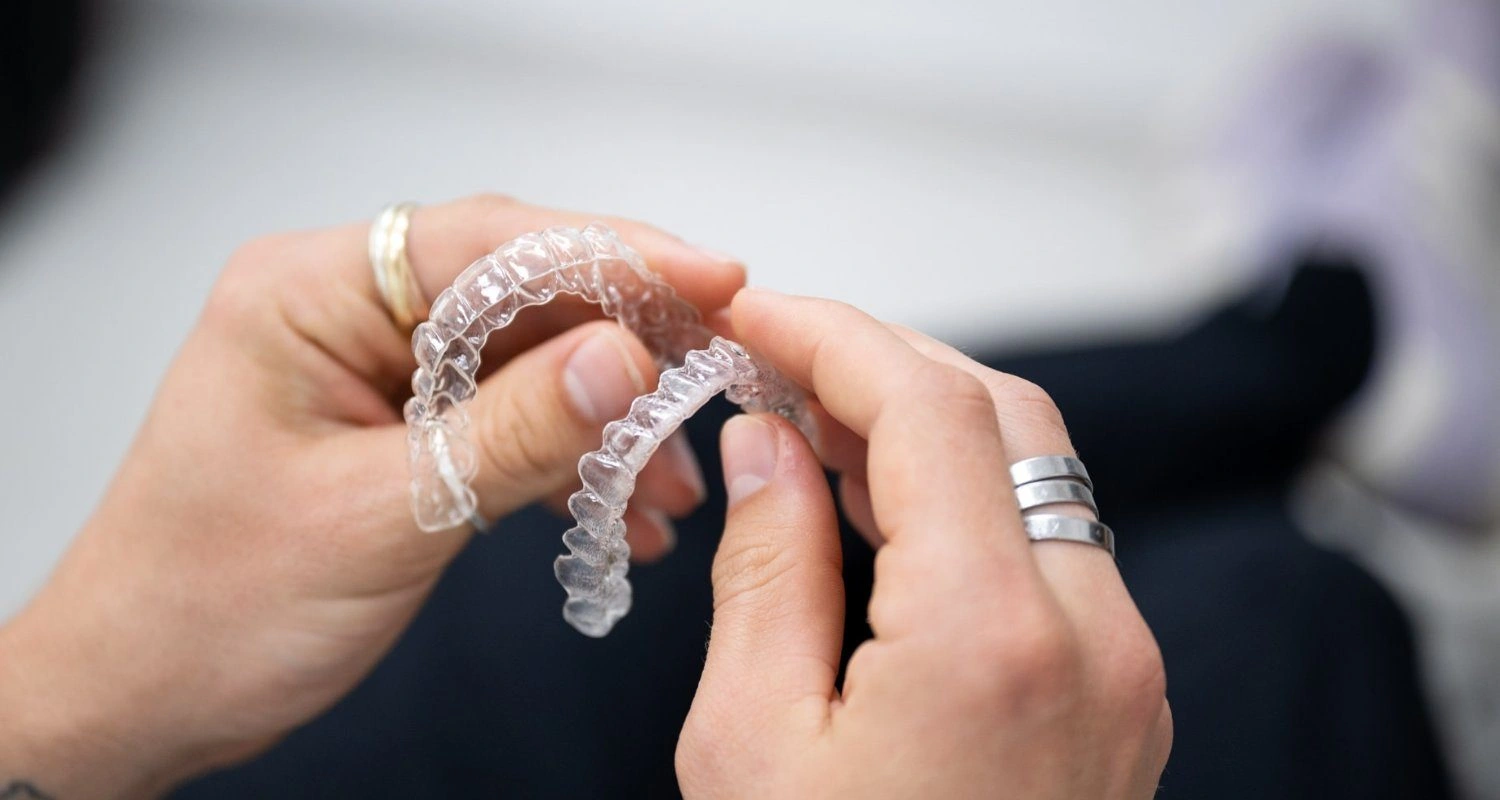
Minor Corrections (6-12 months): Small spacing issues, minor crowding, or slight rotations. If you had braces as a teenager and experienced some relapse, you might fall here. These cases typically require 15-25 aligners.
Moderate Cases (12-18 months): More significant crowding, spacing, or bite issues. Most adult Invisalign patients fall into this range, typically involving 25-40 aligners, sometimes with refinements.
Complex Cases (18-24+ months): Severe crowding, significant bite corrections, or cases requiring tooth extractions. These treatments often involve multiple rounds of aligners with refinement stages.
According to research from the Australian Society of Orthodontists, the median adult Invisalign duration is approximately 14 months, though individual results vary significantly.
Factors That Influence Your Timeline
Several variables affect adult Invisalign duration, some within your control and others determined by your dental situation.
Severity of Misalignment: The more your teeth need to move, the longer treatment takes. Mild spacing issues resolve faster than severe crowding.
Bite Corrections: Fixing overbites, underbites, or crossbites extends treatment times. Moving teeth while correcting bite relationships requires more aligner stages.
Compliance: Invisalign requires wearing aligners 20-22 hours daily. People who consistently meet this requirement finish on schedule. Those who frequently remove aligners or skip days extend their treatment considerably.
Age-Related Factors: Adult teeth move more slowly than teenagers’ teeth due to increased bone density, which can slightly extend adult Invisalign duration.
The Compliance Component
Your behaviour significantly influences adult Invisalign duration. Aligners need 20-22 hours daily wear to work effectively, meaning removal only for eating, drinking anything besides water, and oral hygiene.
Missing even a few hours daily adds up. Wearing aligners 18 hours instead of 22 hours daily means getting only about 80% of intended treatment time, potentially extending a 12-month treatment to 15 months or longer.
Being honest about your lifestyle and ability to maintain compliance helps set realistic expectations about adult Invisalign duration.
Refinements and Their Impact on Timeline
Many adult Invisalign cases require refinement stages, which affect overall treatment duration.
After completing your initial set of aligners, your orthodontist assesses results. If teeth haven’t moved exactly as planned, refinement aligners are created to complete treatment. This is common and doesn’t indicate treatment failure.
Refinements typically add 3-6 months to adult Invisalign duration. Some cases require multiple refinement stages. While this extends treatment, refinements ensure optimal results.
Comparing Invisalign to Traditional Braces
Many adults wonder if Invisalign takes longer than traditional braces to achieve similar results.
For many cases, adult Invisalign duration is comparable to traditional braces. Simple to moderate cases often take 12-18 months with either treatment. Complex cases might be completed slightly faster with traditional braces since appliances work continuously.
However, the comparison isn’t straightforward. Compliance issues can extend Invisalign treatment, while broken brackets or missed appointments can extend traditional braces treatment.
The question isn’t just “which is faster?” but rather “which treatment approach suits my lifestyle, compliance ability, and specific orthodontic needs?”
Setting Realistic Expectations
Rather than fixating on specific timelines, focus on understanding factors that will determine your individual adult Invisalign duration.
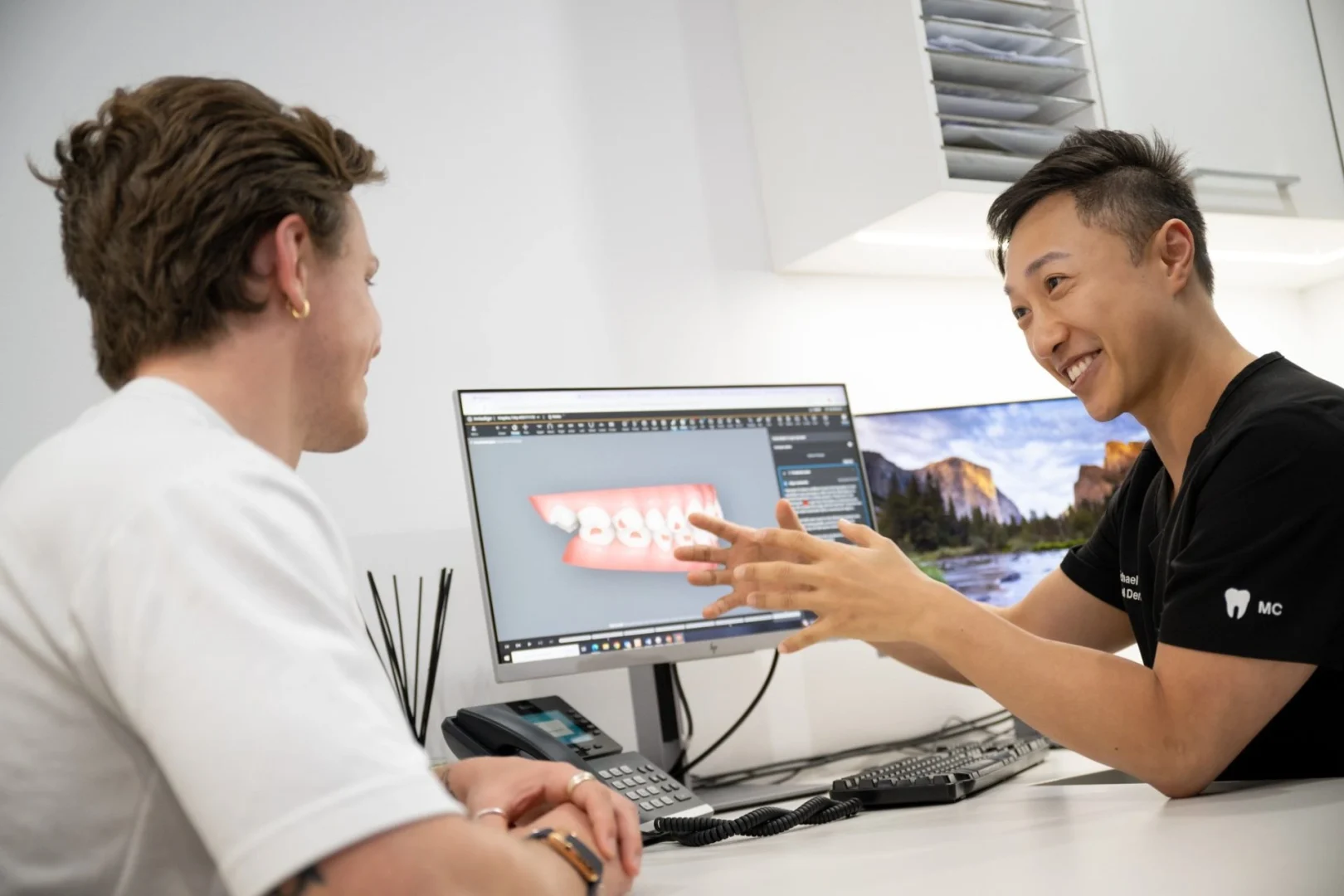
During your consultation, your orthodontist can provide a more specific timeline estimate based on your actual dental situation. This estimate should be understood as a starting point that may adjust based on how your teeth respond and your compliance.
Ask specific questions about your case complexity, expected number of aligners, likelihood of refinements, and what factors might extend or shorten your timeline. Understanding these details provides more useful information than generic average durations.
Remember that the goal is achieving the best possible result, not finishing by an arbitrary date. An extra few months of treatment that delivers optimal results typically matters less in the long term than rushing treatment to meet a timeline.
Individual treatment duration varies significantly. Adult Invisalign duration depends on multiple factors including case complexity, initial tooth positions, bite corrections needed, patient compliance, and individual response to treatment. Timeframes one person experiences don’t necessarily reflect timeframes others may experience.
Get Your Personalised Timeline Estimate
Wondering about Invisalign treatment duration for your specific situation? The team at Pitt Street Dental Centre provides comprehensive assessments including realistic timeline estimates based on your individual case complexity and orthodontic needs.
Call us today to schedule your Invisalign consultation. Complete our enquiry form or phone our practice to discuss your personalised treatment timeline.