FREE Take Home Whitening + 3 Clear Retainers (worth $1,200) with Invisalign treatment. Ends June 2026. See the Offer 

The Role of Bone Grafting in Upper Jaw Dental Implant Treatment

People Asked:
How painful is upper jaw bone grafting, and what should I expect during recovery?

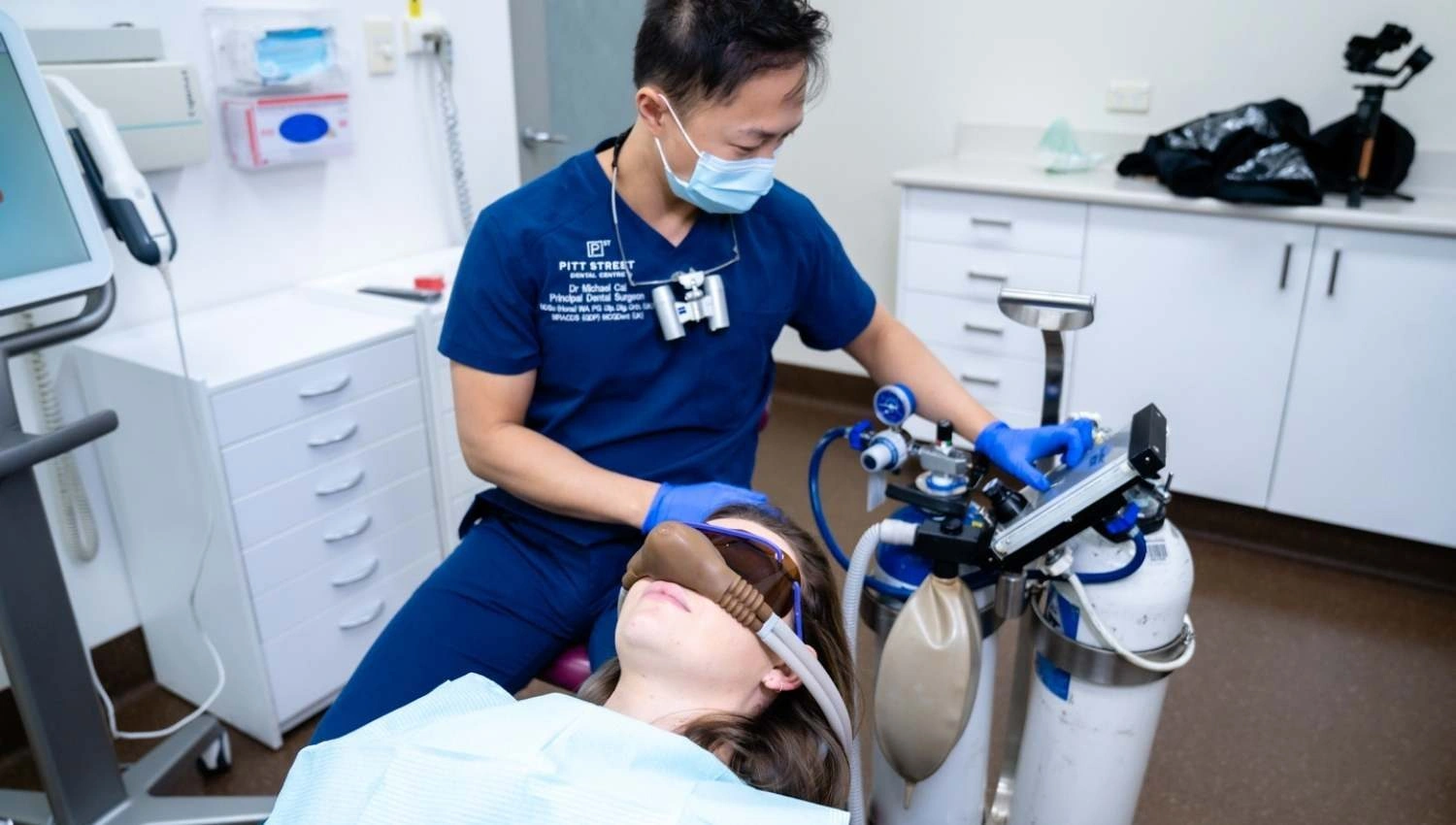
Upper jaw bone grafting is typically performed under local anaesthesia with sedation options available. Post-operative discomfort is generally manageable with prescribed medications and usually peaks within the first 48 hours. Most patients return to normal activities within a week, though strenuous exercise should be avoided for two weeks to promote proper healing.

There’s something fascinating about the engineering principles that govern successful dental implant placement. Just as a skyscraper needs solid bedrock to stand tall for decades, dental implants require adequate bone density and height to provide the stable foundation necessary for long-term success.

Consider the situation where someone visits our Sydney dental practice after being told their upper jaw isn’t suitable for dental implants. Years of wearing dentures may have gradually reduced bone volume, leaving insufficient structure to support implants safely. In such cases, upper jaw bone grafting can potentially provide a foundation for successful implant treatment.

This scenario illustrates a common challenge in implant dentistry: the upper jaw often presents unique obstacles that require specialised solutions before implant placement can proceed successfully.

Understanding Upper Jaw Bone Loss and Its Challenges

The upper jaw presents distinct anatomical challenges that differ significantly from the lower jaw. When teeth are lost, the surrounding bone begins to remodel and shrink – a process called resorption. In the upper jaw, this creates particular complications due to the proximity of the maxillary sinuses.

According to the Australian Dental Association, approximately 70% of people who have lost upper back teeth experience some degree of bone loss within the first year. The maxillary sinuses gradually expand downward as bone resorbs, leaving insufficient bone height for standard implant placement.

The upper jaw presents several unique challenges:

  • Natural bone density is typically lower than the lower jaw
  • Maxillary sinuses reduce available bone height
  • Faster resorption rates following tooth loss
  • Complex three-dimensional bone architecture
  • Greater aesthetic demands in the smile zone

These factors combine to create situations where bone grafting becomes essential for successful implant outcomes.

The Science Behind Bone Grafting Success

Upper jaw bone grafting works by providing a scaffold for new bone formation through guided bone regeneration. When graft material is placed, it creates a framework that encourages the body’s natural bone-forming cells to migrate to the area and begin creating new bone tissue.

Different types of bone graft materials serve this purpose effectively. Autografts, using the patient’s own bone, remain the gold standard due to their excellent integration properties. Allografts from donor sources and xenografts from bovine sources provide alternative options with proven success rates.

The bone grafting process typically involves:

  1. Careful assessment of existing bone volume and quality
  2. Selection of appropriate graft material
  3. Precise placement to restore ideal bone dimensions
  4. Healing period allowing bone integration
  5. Implant placement in newly formed bone

Studies suggest that properly executed bone grafts in the upper jaw can achieve favourable success rates when adequate healing time is provided, though individual results may vary based on various factors including overall health and healing capacity.

Sinus Lift Procedures: Creating Space for New Bone

One of the most sophisticated applications of upper jaw bone grafting is the sinus lift procedure. This technique addresses insufficient bone height in the upper back jaw due to sinus expansion.

During a sinus lift, the membrane lining the maxillary sinus is gently elevated, creating space between the sinus floor and existing bone. This space is filled with bone graft material, which gradually transforms into solid bone over several months.

Sinus lift procedures fall into two categories:

  • Lateral sinus lifts for areas requiring significant bone addition
  • Internal sinus lifts for situations needing modest height increases

The choice between these approaches depends on the amount of existing bone and planned implant positions. Both techniques have excellent success rates when performed by experienced practitioners.

Advanced Grafting Techniques for Complex Cases

Modern dental implant treatment employs increasingly sophisticated bone grafting techniques to address challenging upper jaw situations. These advanced methods allow treatment of cases that might have been considered impossible just a decade ago.

Ridge preservation techniques prevent bone loss immediately following tooth extraction by placing graft material into the extraction socket. This proactive approach maintains bone dimensions and often eliminates the need for more extensive grafting later.

Advanced techniques include:

  • Ridge preservation at extraction sites
  • Block bone grafting for major defects
  • Simultaneous implant and graft placement
  • Computer-guided surgical planning
  • Membrane-protected regeneration

These sophisticated approaches require considerable expertise and may help address various bone deficiency situations, though each case requires individual assessment to determine suitability.

The Treatment Timeline and Long-term Benefits

Understanding the bone grafting timeline helps patients plan appropriately for their implant treatment. The initial grafting procedure typically takes one to two hours, depending on complexity. Following surgery, a healing period of four to six months allows the graft material to integrate and new bone to form.

The typical treatment sequence involves:

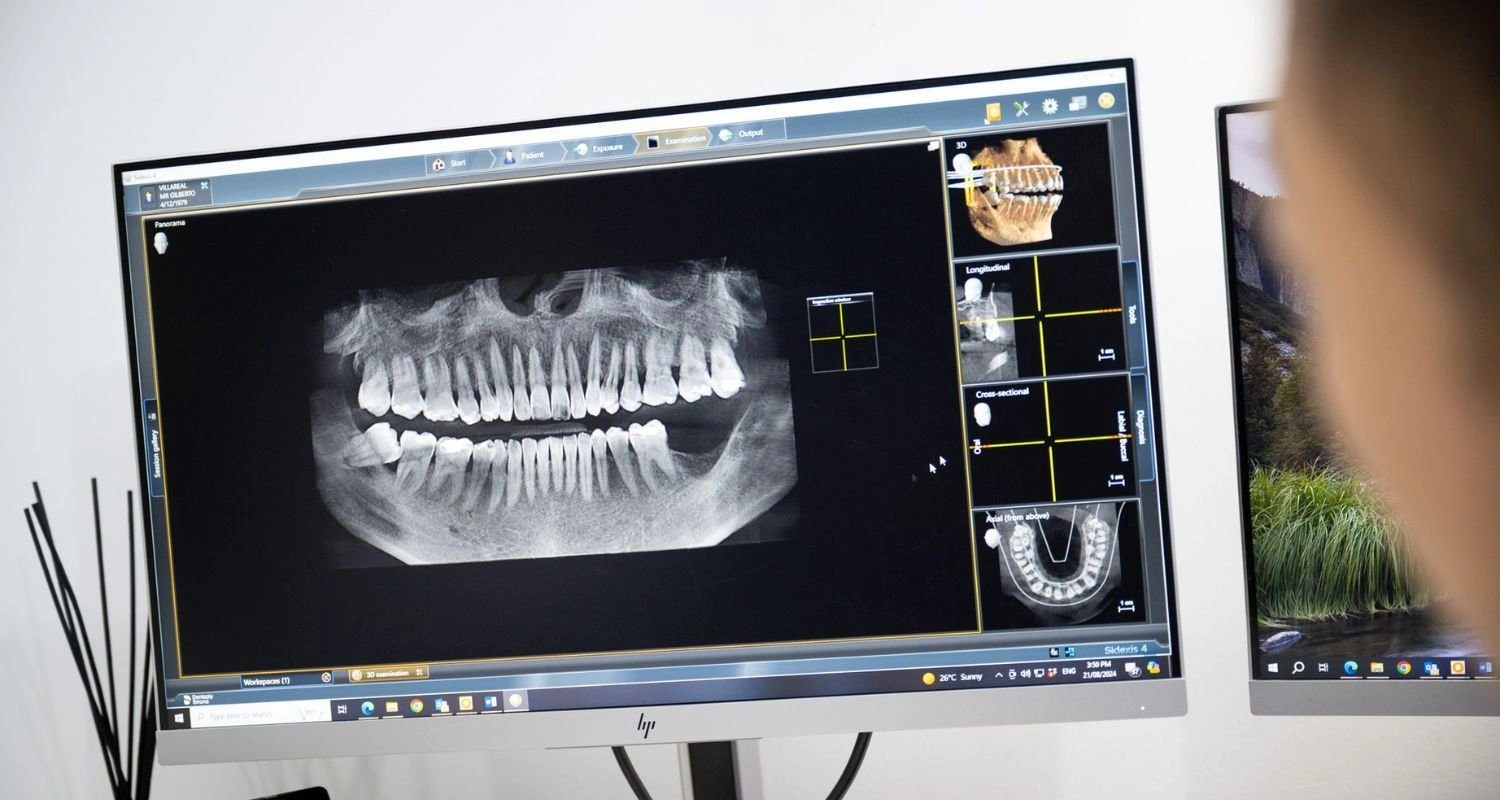
  1. Initial consultation and 3D imaging assessment
  2. Bone grafting procedure
  3. Healing period (4-6 months)
  4. Implant placement surgery
  5. Final restoration placement

While this extended timeline requires commitment, proper bone grafting may help ensure optimal long-term implant outcomes. Some studies suggest that implants placed in grafted bone can demonstrate good stability, though individual results vary and success depends on multiple factors including patient health, healing response, and adherence to post-operative care.

The alternative – attempting implant placement without adequate bone – often results in compromised outcomes, including implant failure and the need for complex revision procedures.

Bone Grafting Treatment Options

Upper jaw bone grafting may help create suitable conditions for dental implant placement in many cases. When performed with appropriate expertise and adequate healing time, these procedures can address various bone deficiency situations, though individual suitability must be assessed on a case-by-case basis.

The key to successful outcomes lies in thorough assessment, appropriate treatment planning, and meticulous surgical technique. At Pitt Street Dental Centre in the heart of the Sydney CBD, our team combines advanced surgical expertise with comprehensive planning to ensure optimal results for every patient.

Don’t let bone loss prevent you from experiencing the benefits of dental implants. Modern bone grafting techniques can restore the foundation necessary for successful implant treatment, regardless of your current bone volume.

Contact Pitt Street Dental Centre today to explore how upper jaw bone grafting can make dental implants possible for your situation. Complete our enquiry form or call our practice to schedule your comprehensive assessment.


DISCLAIMER:
The content has been made available for informational and educational purposes only. Pitt Street Dental Centre does not make any representation or warranties with respect to the accuracy, applicability, fitness, or completeness of the content.

The content is not intended to be a substitute for professional personal diagnosis or treatment. Always seek the advice of your dentist or another qualified health provider with any questions you may have regarding a dental or medical condition. Never disregard professional advice or delay seeking it because of something you have read or seen on the Site.

Services We Mentioned:

Ready to get started?

Just fill in this form and we will be in touch

People Asked:
How painful is upper jaw bone grafting, and what should I expect during recovery?

Upper jaw bone grafting is typically performed under local anaesthesia with sedation options available. Post-operative discomfort is generally manageable with prescribed medications and usually peaks within the first 48 hours. Most patients return to normal activities within a week, though strenuous exercise should be avoided for two weeks to promote proper healing.

There’s something fascinating about the engineering principles that govern successful dental implant placement. Just as a skyscraper needs solid bedrock to stand tall for decades, dental implants require adequate bone density and height to provide the stable foundation necessary for long-term success.

Consider the situation where someone visits our Sydney dental practice after being told their upper jaw isn’t suitable for dental implants. Years of wearing dentures may have gradually reduced bone volume, leaving insufficient structure to support implants safely. In such cases, upper jaw bone grafting can potentially provide a foundation for successful implant treatment.

This scenario illustrates a common challenge in implant dentistry: the upper jaw often presents unique obstacles that require specialised solutions before implant placement can proceed successfully.

Understanding Upper Jaw Bone Loss and Its Challenges

The upper jaw presents distinct anatomical challenges that differ significantly from the lower jaw. When teeth are lost, the surrounding bone begins to remodel and shrink – a process called resorption. In the upper jaw, this creates particular complications due to the proximity of the maxillary sinuses.

According to the Australian Dental Association, approximately 70% of people who have lost upper back teeth experience some degree of bone loss within the first year. The maxillary sinuses gradually expand downward as bone resorbs, leaving insufficient bone height for standard implant placement.

The upper jaw presents several unique challenges:

  • Natural bone density is typically lower than the lower jaw
  • Maxillary sinuses reduce available bone height
  • Faster resorption rates following tooth loss
  • Complex three-dimensional bone architecture
  • Greater aesthetic demands in the smile zone

These factors combine to create situations where bone grafting becomes essential for successful implant outcomes.

The Science Behind Bone Grafting Success

Upper jaw bone grafting works by providing a scaffold for new bone formation through guided bone regeneration. When graft material is placed, it creates a framework that encourages the body’s natural bone-forming cells to migrate to the area and begin creating new bone tissue.

Different types of bone graft materials serve this purpose effectively. Autografts, using the patient’s own bone, remain the gold standard due to their excellent integration properties. Allografts from donor sources and xenografts from bovine sources provide alternative options with proven success rates.

The bone grafting process typically involves:

  1. Careful assessment of existing bone volume and quality
  2. Selection of appropriate graft material
  3. Precise placement to restore ideal bone dimensions
  4. Healing period allowing bone integration
  5. Implant placement in newly formed bone

Studies suggest that properly executed bone grafts in the upper jaw can achieve favourable success rates when adequate healing time is provided, though individual results may vary based on various factors including overall health and healing capacity.

Sinus Lift Procedures: Creating Space for New Bone

One of the most sophisticated applications of upper jaw bone grafting is the sinus lift procedure. This technique addresses insufficient bone height in the upper back jaw due to sinus expansion.

During a sinus lift, the membrane lining the maxillary sinus is gently elevated, creating space between the sinus floor and existing bone. This space is filled with bone graft material, which gradually transforms into solid bone over several months.

Sinus lift procedures fall into two categories:

  • Lateral sinus lifts for areas requiring significant bone addition
  • Internal sinus lifts for situations needing modest height increases

The choice between these approaches depends on the amount of existing bone and planned implant positions. Both techniques have excellent success rates when performed by experienced practitioners.

Advanced Grafting Techniques for Complex Cases

Modern dental implant treatment employs increasingly sophisticated bone grafting techniques to address challenging upper jaw situations. These advanced methods allow treatment of cases that might have been considered impossible just a decade ago.

Ridge preservation techniques prevent bone loss immediately following tooth extraction by placing graft material into the extraction socket. This proactive approach maintains bone dimensions and often eliminates the need for more extensive grafting later.

Advanced techniques include:

  • Ridge preservation at extraction sites
  • Block bone grafting for major defects
  • Simultaneous implant and graft placement
  • Computer-guided surgical planning
  • Membrane-protected regeneration

These sophisticated approaches require considerable expertise and may help address various bone deficiency situations, though each case requires individual assessment to determine suitability.

The Treatment Timeline and Long-term Benefits

Understanding the bone grafting timeline helps patients plan appropriately for their implant treatment. The initial grafting procedure typically takes one to two hours, depending on complexity. Following surgery, a healing period of four to six months allows the graft material to integrate and new bone to form.

The typical treatment sequence involves:

  1. Initial consultation and 3D imaging assessment
  2. Bone grafting procedure
  3. Healing period (4-6 months)
  4. Implant placement surgery
  5. Final restoration placement

While this extended timeline requires commitment, proper bone grafting may help ensure optimal long-term implant outcomes. Some studies suggest that implants placed in grafted bone can demonstrate good stability, though individual results vary and success depends on multiple factors including patient health, healing response, and adherence to post-operative care.

The alternative – attempting implant placement without adequate bone – often results in compromised outcomes, including implant failure and the need for complex revision procedures.

Bone Grafting Treatment Options

Upper jaw bone grafting may help create suitable conditions for dental implant placement in many cases. When performed with appropriate expertise and adequate healing time, these procedures can address various bone deficiency situations, though individual suitability must be assessed on a case-by-case basis.

The key to successful outcomes lies in thorough assessment, appropriate treatment planning, and meticulous surgical technique. At Pitt Street Dental Centre in the heart of the Sydney CBD, our team combines advanced surgical expertise with comprehensive planning to ensure optimal results for every patient.

Don’t let bone loss prevent you from experiencing the benefits of dental implants. Modern bone grafting techniques can restore the foundation necessary for successful implant treatment, regardless of your current bone volume.

Contact Pitt Street Dental Centre today to explore how upper jaw bone grafting can make dental implants possible for your situation. Complete our enquiry form or call our practice to schedule your comprehensive assessment.

DISCLAIMER:
The content has been made available for informational and educational purposes only. Pitt Street Dental Centre does not make any representation or warranties with respect to the accuracy, applicability, fitness, or completeness of the content.

The content is not intended to be a substitute for professional personal diagnosis or treatment. Always seek the advice of your dentist or another qualified health provider with any questions you may have regarding a dental or medical condition. Never disregard professional advice or delay seeking it because of something you have read or seen on the Site.

Services We Mentioned:

Ready to get started?

Just fill in this form and we will be in touch

DOWNLOAD PRICE LIST

Please enter your mobile number and email address so we can send you the price list via SMS and email along with some of our patients’ smile transformations in the next few minutes.

"*" indicates required fields

This field is for validation purposes and should be left unchanged.

Hi, you’re chatting with Pitt Street Dental Centre. If you could please fill out all your details below, we will be in contact with you shortly.

"*" indicates required fields

This field is for validation purposes and should be left unchanged.
Patient Status*