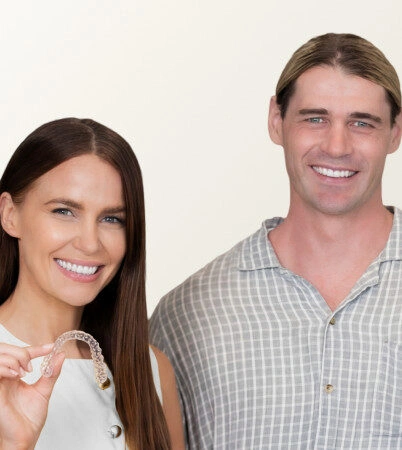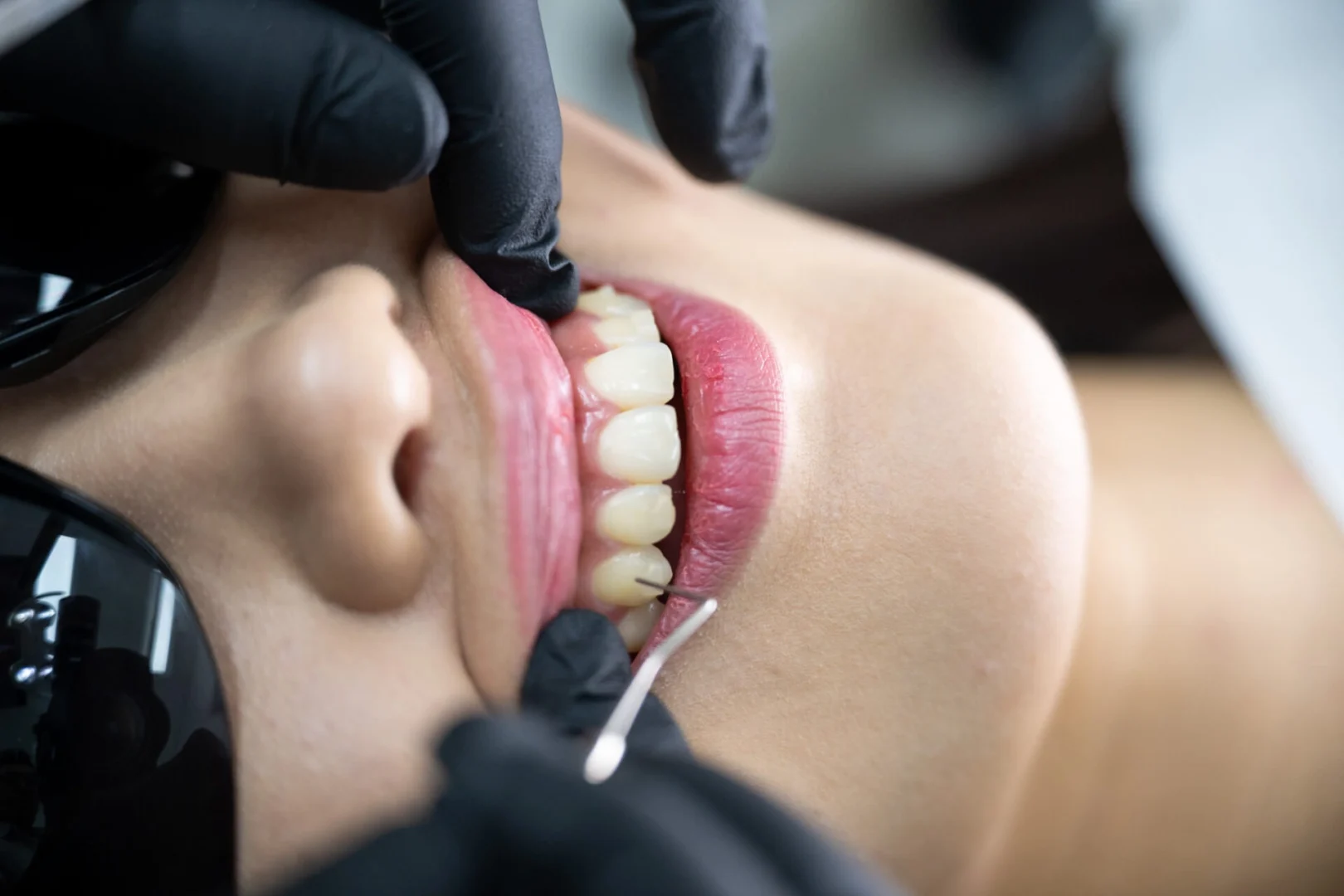
Completing orthodontic treatment represents a significant milestone in oral health improvement. Whether achieved through traditional braces or Invisalign, patients often experience considerable satisfaction seeing their teeth properly aligned. However, for some individuals, this achievement becomes the beginning of a new chapter rather than the end of their dental journey.
The experience of having straight teeth can shift perspectives about what’s possible for one’s smile. Post-orthodontic veneers represent one option that some patients explore when they wish to address remaining aesthetic concerns following successful orthodontic treatment.
What Orthodontic Treatment Can and Cannot Address
Orthodontic treatment excels at repositioning teeth to achieve proper alignment, bite function, and spacing. Modern techniques like Invisalign have made this process more accessible for many adults.
Orthodontic treatment effectively addresses:
- Tooth crowding and spacing issues
- Bite alignment and jaw positioning
- Rotated or tilted tooth positions
However, orthodontic movement doesn’t alter the fundamental characteristics of individual teeth. Factors such as tooth shape, size, colour, and surface texture remain unchanged.
Limitations include:
- Inability to change natural tooth colour variations
- No modification of tooth size or proportional relationships
- Cannot alter surface texture or enamel characteristics
For patients whose aesthetic concerns extend beyond alignment issues, the completion of orthodontic treatment may reveal other aspects they wish to address through additional procedures.
Common Reasons Patients Consider Post-Orthodontic Veneers
Several factors may influence a patient’s decision to explore veneers following successful orthodontic treatment. These considerations often emerge as patients become accustomed to their newly aligned teeth.
Colour and staining concerns:
- Natural colour variations between individual teeth
- Intrinsic staining that doesn’t respond to whitening
- Age-related discolouration that becomes more noticeable
- Previous dental work that creates colour mismatches
Size and proportion issues:
- Teeth that appear disproportionately small or large
- Length variations that affect smile symmetry
- Width discrepancies between similar teeth
Surface and shape considerations:
- Worn edges from previous grinding or clenching
- Natural tooth anatomy that appears uneven
- Minor chips or irregularities in tooth surfaces
The enhanced visibility following orthodontic treatment may highlight surface irregularities or natural variations that patients prefer to modify.
Timing Considerations for Post-Orthodontic Veneers
The timing of veneer consideration following orthodontic treatment requires careful planning to ensure optimal outcomes. Several factors influence when veneer placement might be appropriate.
Important timing factors include:
- Completion of orthodontic retention requirements
- Stability of final tooth positions
- Gum tissue healing and adaptation
Most orthodontic protocols include a retention phase designed to maintain tooth positions following active movement. Post-orthodontic veneers are typically considered only after the retention phase demonstrates stable positioning.
Gum tissue health and contour also require time to stabilise following orthodontic movement. The final gum line position affects veneer design and placement, making tissue stability important for timing.
Treatment Planning for Combined Orthodontic and Veneer Approaches
When patients express interest in post-orthodontic veneers, comprehensive treatment planning becomes essential to achieve coordinated results. This planning ideally begins before orthodontic treatment commences.
Coordinated planning considerations include:
- Final tooth positioning to accommodate planned veneers
- Orthodontic movement that enhances veneer placement options
- Space management for optimal veneer thickness
- Bite relationships that support veneer stability
Advanced planning allows orthodontic treatment to position teeth in locations that facilitate optimal veneer placement rather than simply achieving basic alignment. Communication between orthodontic and restorative specialists ensures that tooth movement supports subsequent veneer placement.
Alternative Options to Post-Orthodontic Veneers
While veneers represent one option for addressing aesthetic concerns following orthodontic treatment, several alternatives may be appropriate depending on individual circumstances.
Alternative treatments may include:
- Professional teeth whitening for colour concerns
- Cosmetic bonding for minor shape modifications
- Orthodontic refinement for additional alignment changes
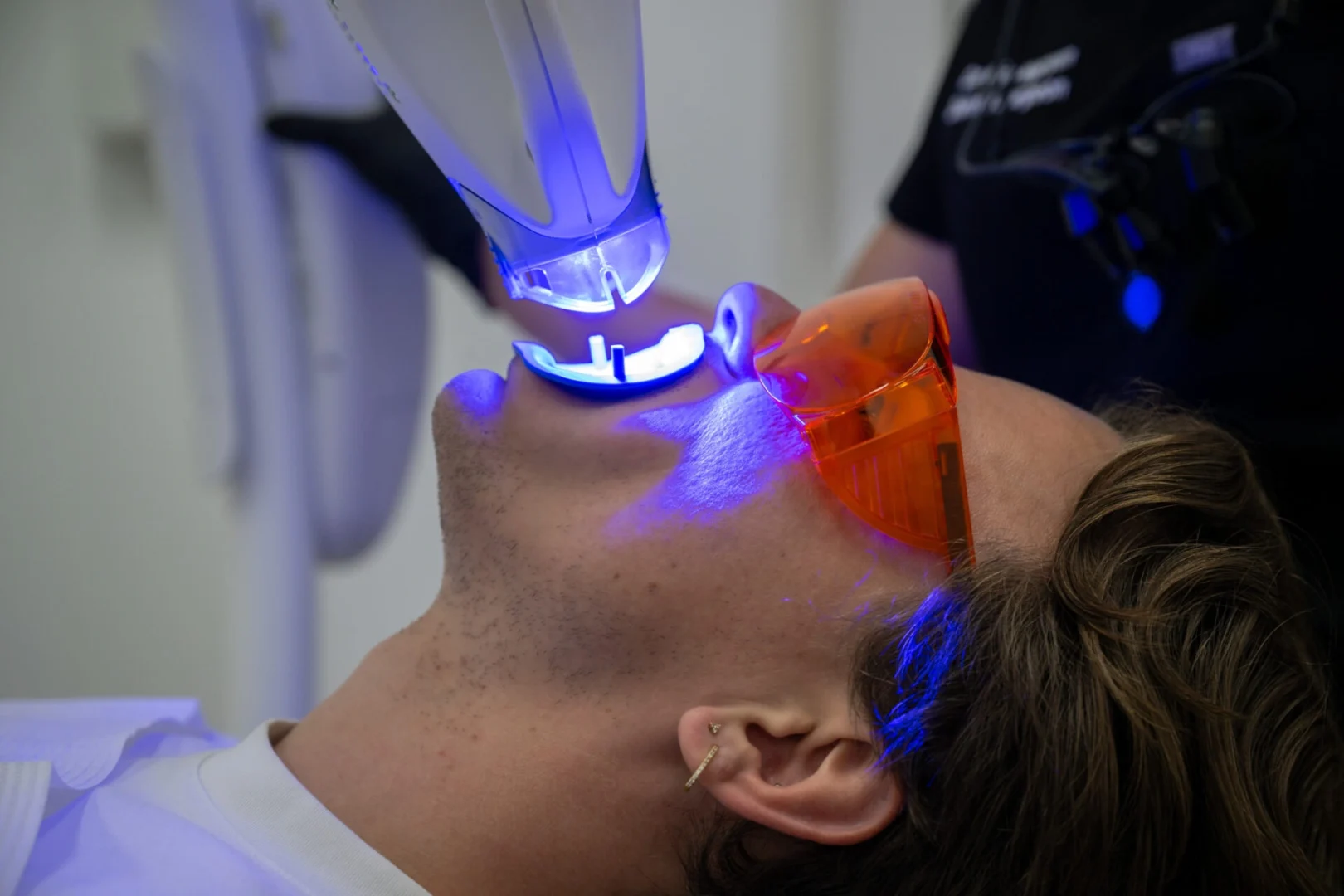
Professional whitening can address many colour concerns without requiring permanent tooth modification. Cosmetic bonding offers a reversible option for minor shape modifications and surface irregularities. Some patients may benefit from additional orthodontic refinement rather than restorative treatment.
Maintenance and Long-term Considerations
Post-orthodontic veneers require ongoing maintenance to preserve both function and appearance over time. Understanding these requirements helps patients make informed decisions about treatment timing.
Maintenance considerations include:
- Regular professional monitoring and care
- Appropriate oral hygiene techniques for veneer care
- Protection from excessive forces during activities
Veneers placed following orthodontic treatment may have specific care requirements related to their position. Long-term success depends partly on maintaining stable orthodontic results through appropriate retention protocols.
Professional Assessment for Post-Orthodontic Enhancement
Post-orthodontic veneers may provide an option for patients who wish to address aesthetic concerns beyond alignment following successful orthodontic treatment. However, this approach requires careful evaluation to determine appropriateness and timing for individual situations.
The decision to pursue veneers following orthodontic treatment should be based on realistic assessment of aesthetic goals, oral health status, and long-term maintenance commitments rather than impulsive desires for immediate enhancement.
At Pitt Street Dental Centre, we provide comprehensive evaluation for patients considering post-orthodontic cosmetic enhancement. Our team can assess your specific situation and discuss whether veneers or alternative approaches might be suitable for achieving your aesthetic goals.
Contact Pitt Street Dental Centre to explore post-orthodontic enhancement options. Complete our enquiry form or call our practice to arrange your consultation and learn about potential treatments for refining your orthodontic results.