Understanding the Necessity of Gentle Dental Care
Proper dental care starts with recognising the unique needs of your gums and teeth. For those with a naturally thin gum biotype, the choice of toothbrush plays a pivotal role in maintaining gum health. Opting for a soft or extra-soft toothbrush for manual users or a sensitive, vibrating head for electric toothbrushes can significantly reduce the risk of damaging the delicate gumline. This careful selection is not just a preference but a necessity for preserving the integrity of your gums and preventing recession.
The Technique Makes the Difference
Effective brushing is less about brute force and more about the technique and time spent. People who brush too vigorously are advised to switch to their non-dominant hand. This change fosters a more deliberate and gentler brushing technique, reducing the risk of gum damage. Furthermore, holding the toothbrush like a pen, using only three fingers, allows for better control and access to hard-to-reach areas, ensuring a comprehensive clean.
Embracing the Modified Bass Brushing Technique
The modified bass technique revolutionises the way we think about brushing. It involves a gentle rolling motion, allowing the bristles to sweep between the gum and the tooth effectively. This method is particularly beneficial as it cleans while minimising gum irritation. By brushing downwards on the upper teeth and upwards on the lower teeth, this technique promotes gum health and prevents the risk of recession.
Maximising Efficiency with Timed Brushing
Incorporating timed brushing into your routine ensures a thorough clean. Modern electric toothbrushes with built-in timers aid in evenly distributing brushing time across all quadrants of the mouth. This systematic approach guarantees that each section receives adequate attention, avoiding the pitfalls of over or under-brushing, which can lead to dental health issues over time.
Flossing: An Integral Part of Oral Hygiene
Flossing is an integral part of oral hygiene, often overshadowed by brushing but equally important. It removes plaque and food particles from between teeth that a toothbrush can’t reach. For those who find traditional flossing challenging, alternatives like water picks or interdental brushes can be equally effective. The key is consistency in using these tools to maintain gum health.
Regular Dental Check-Ups: Your Prevention Strategy
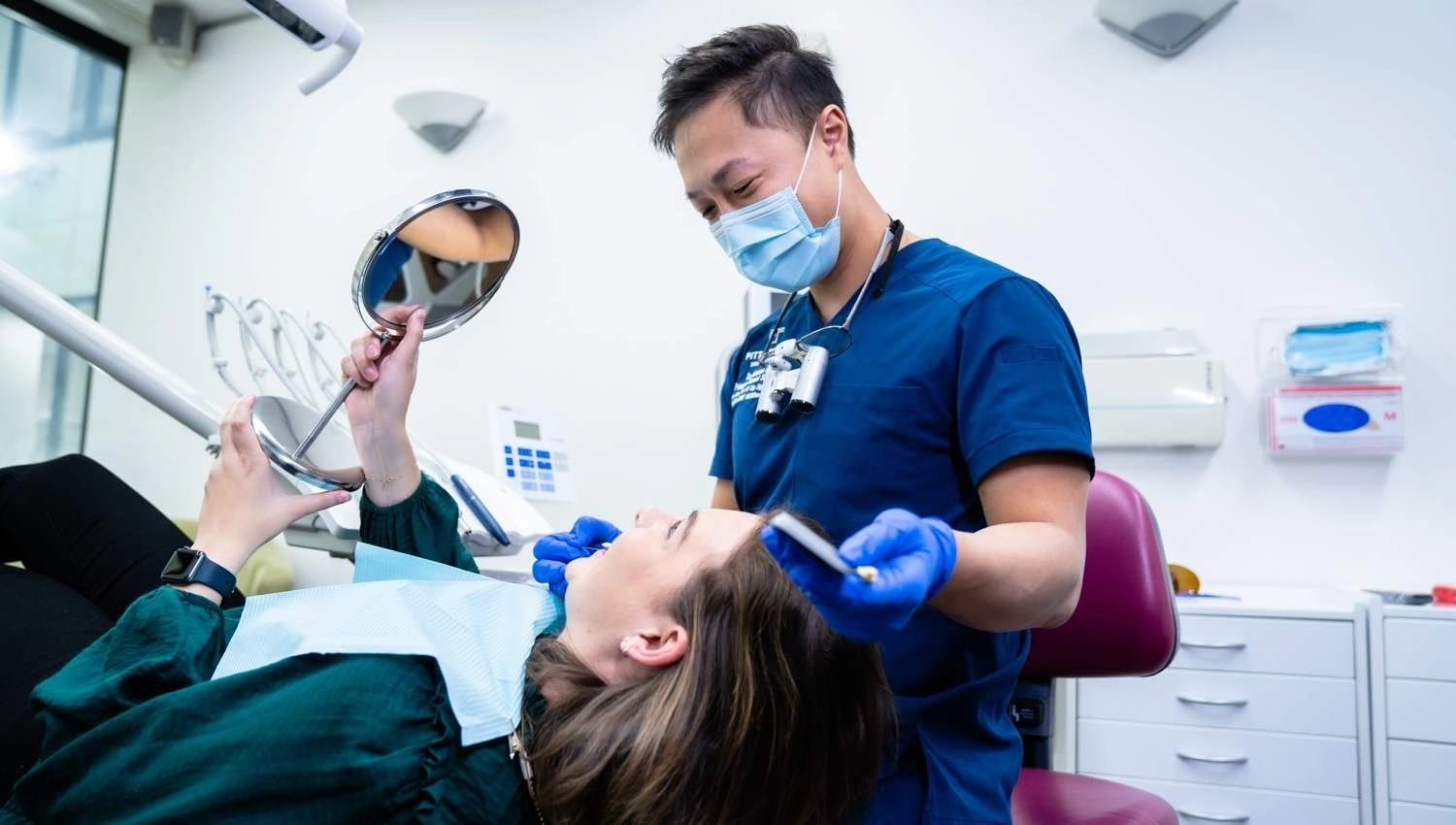
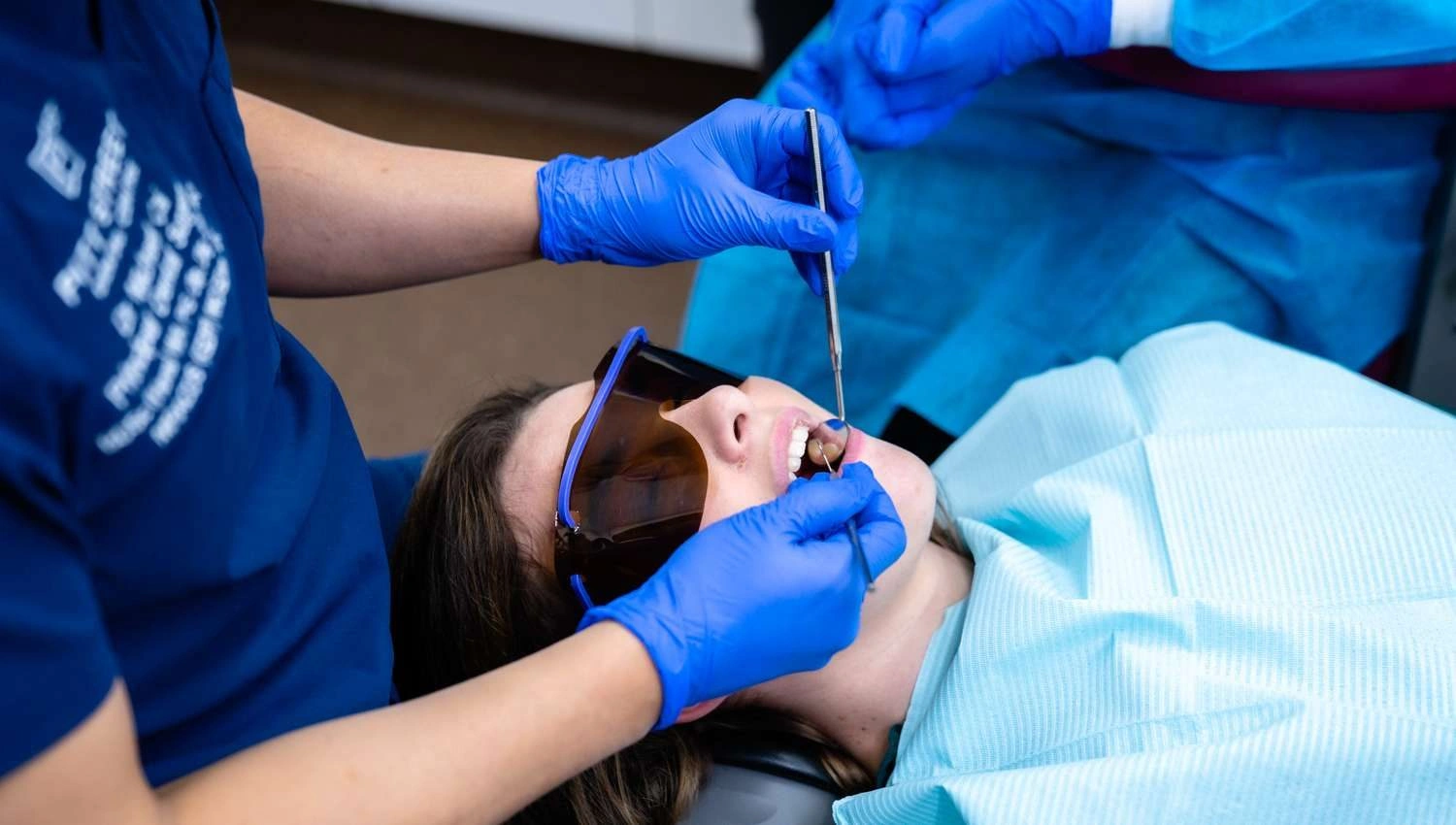
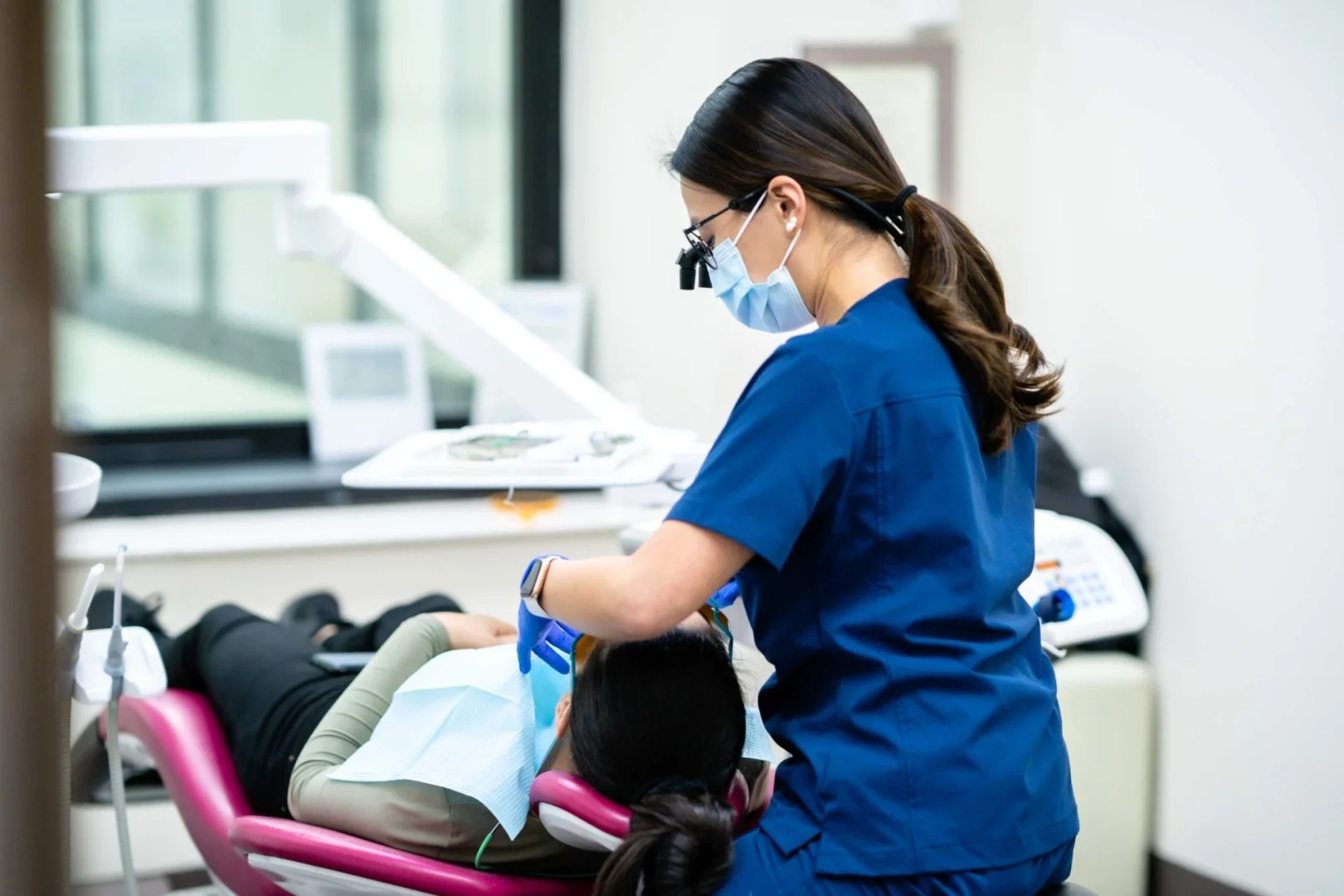
Regular visits to the dental hygienist are vital. These professionals can provide personalised care and advice, adapting preventative maintenance programs to suit individual needs. Whether every six months or more frequently, these check-ups play a crucial role in early detection and prevention of dental issues.
Educating on Proper Oral Hygiene Practices
Education on proper brushing and flossing techniques is a cornerstone of preventive dentistry. Patients should be informed about the best practices for oral hygiene, including the types of toothbrushes to use, the correct way to floss, and the importance of regular dental check-ups. This education is a continuous process, evolving with advancements in dental care and individual patient needs.
A Lifetime of Healthy Smiles
Adopting these practices and techniques can lead to a lifetime of healthy gums and teeth. It’s about making informed choices, being consistent with oral hygiene, and staying proactive with dental check-ups. By following these guidelines, patients can ensure the longevity and health of their smiles, reducing the risk of gum recession and other dental problems.