FREE Take Home Whitening + 3 Clear Retainers (worth $1,200) with Invisalign treatment. Ends June 2026. See the Offer 

When Conventional Implants Aren’t Enough: The Zygomatic Alternative for Bone-Related Failures

People Asked:
Are zygomatic implants more likely to succeed than conventional implants in cases where bone loss is the primary concern?

Success rates for zygomatic implants can be favourable in appropriate cases, though direct comparisons with conventional implants are complex due to different patient populations and clinical situations. The technique addresses bone quantity limitations but success still depends on multiple factors including overall health, healing capacity, and maintenance compliance. Individual case assessment helps determine realistic expectations.

Experiencing a failed dental implant can be disheartening, particularly when the failure stems from insufficient bone structure that seemed adequate initially. For some patients, what began as a straightforward implant procedure evolves into a complex situation requiring alternative approaches.

When conventional dental implants fail due to bone-related issues, patients often wonder whether any reliable tooth replacement options remain available. Zygomatic implants represent a specialised approach that may offer possibilities for certain complex implant cases where traditional methods have been unsuccessful.

Understanding Why Conventional Implants May Fail

Conventional dental implant failure related to bone issues can occur for various reasons, even when initial assessments suggested adequate bone support.

Common bone-related failure factors include:

  • Inadequate initial bone assessment
  • Unexpected bone resorption during healing
  • Infection affecting surrounding bone tissue
  • Mechanical overload causing bone loss

Failed implants often leave patients with further bone loss, creating a more challenging situation than existed originally. The upper jaw presents particular challenges due to naturally softer bone quality and maxillary sinuses.

Complex implant cases involving multiple failed implants or extensive bone loss require careful evaluation to determine whether any implant-based solutions remain feasible.

What Are Zygomatic Implants?

Zygomatic implants represent a specialised technique that utilises the zygomatic bone (cheekbone) for support rather than relying on conventional jawbone sites. These longer implants bypass areas of inadequate jawbone by anchoring into the denser zygomatic bone structure.

Key characteristics include:

  • Significantly longer length than conventional implants
  • Placement into zygomatic bone rather than maxillary bone
  • Specialised surgical approach requirements
  • Different healing and loading protocols

The zygomatic bone typically remains unaffected by tooth loss and bone resorption processes that compromise conventional implant sites. Zygomatic implant placement requires considerable surgical expertise due to complex anatomy and proximity to critical structures.

Suitability Assessment for Previous Implant Failures

Not all Sydney patients who have experienced conventional implant failures may be suitable candidates for zygomatic implant treatment. Careful evaluation considers multiple factors to determine appropriateness.

Assessment factors include:

  • Extent and location of existing bone loss
  • Underlying cause of previous implant failure
  • Overall oral health and gum tissue condition
  • Systemic health factors affecting healing capacity
  • Anatomical considerations and maxillary sinus health

The underlying cause of previous implant failure plays a crucial role in determining whether zygomatic implants might be successful in individual cases. Zygomatic implants are primarily indicated for upper jaw bone loss situations, as the technique is not applicable to lower jaw reconstruction procedures.

The Zygomatic Implant Procedure and Considerations

Zygomatic implant placement involves a more complex surgical procedure than conventional implant surgery. The technique requires precise planning using advanced imaging and specialised surgical protocols.

Procedural considerations include:

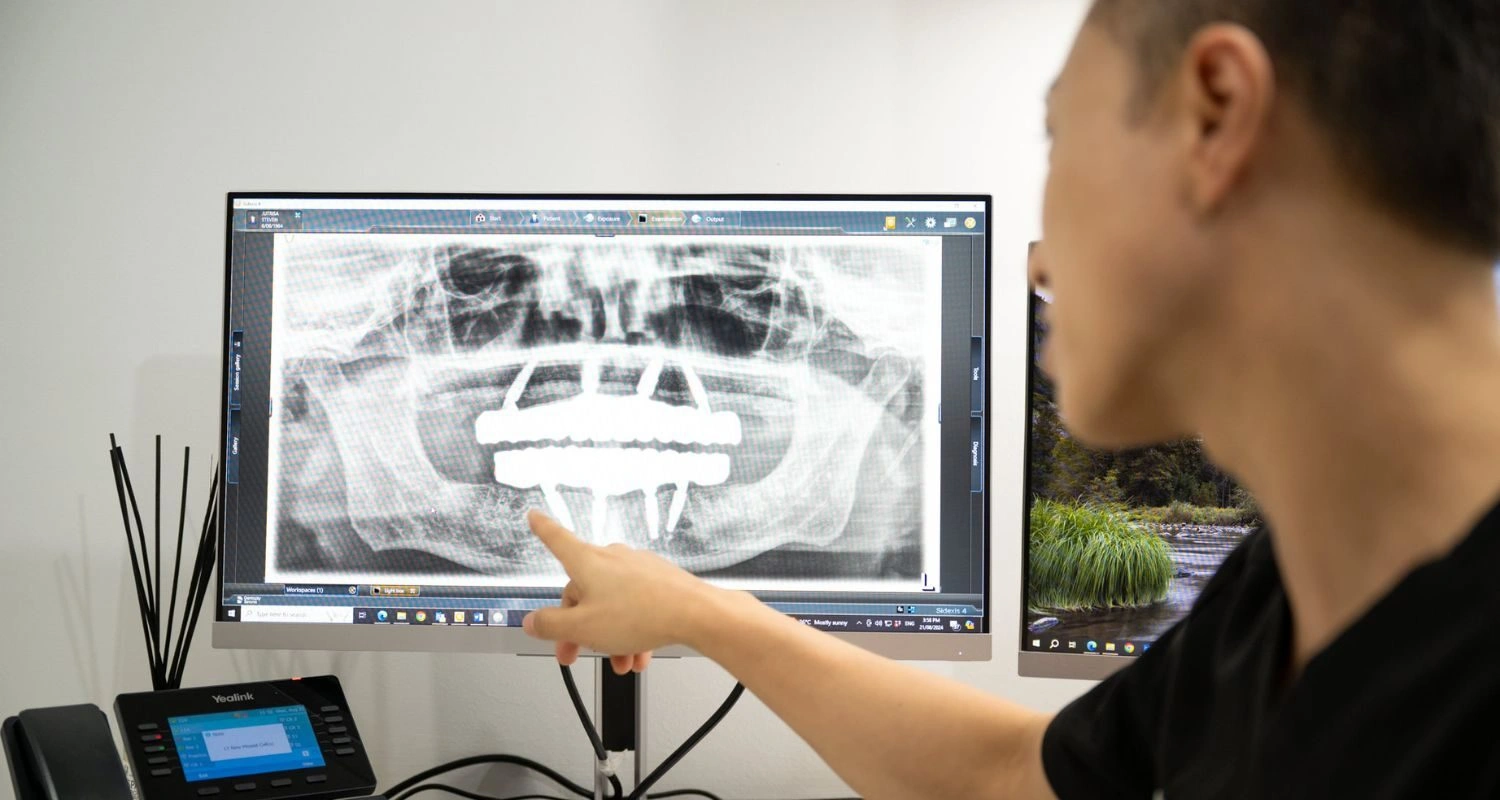
  • Comprehensive three-dimensional imaging and planning
  • Specialised surgical access and visualisation
  • Careful navigation around anatomical structures
  • Longer surgical time than conventional procedures

Recovery from zygomatic implant surgery generally involves a longer initial healing period than conventional implants. Loading protocols may differ from conventional approaches, with some cases suitable for immediate loading whilst others require delayed loading.

Success Rates and Long-term Considerations

Research on zygomatic implants indicates that they can provide successful outcomes in appropriate cases, though success rates may vary compared to conventional implants. Individual results depend on multiple factors including patient health, surgical technique, and post-operative care.

Long-term maintenance requires careful attention to oral hygiene and regular professional monitoring. The unique emergence profile of these implants may require specific cleaning techniques.

Complex implant cases involving zygomatic techniques require ongoing professional supervision to monitor implant stability and tissue health over time.

Alternative Approaches for Complex Cases

While zygomatic implants may offer solutions for certain complex implant cases, they represent just one option among several potential approaches for patients with previous implant failures.

Other options may include:

  • Extensive bone grafting with conventional implant replacement
  • Removable prosthetic solutions
  • Fixed bridge alternatives using remaining teeth

The choice between zygomatic implants and alternative treatments depends on factors such as the extent of bone loss, patient preferences, and overall health status.

Professional Evaluation for Complex Implant Cases

Zygomatic implants may provide a treatment option for certain patients who have experienced conventional implant failures due to bone-related issues. However, this specialised technique requires careful case selection and is not suitable for all situations involving previous implant complications.

The complexity of zygomatic implant treatment means that thorough evaluation by experienced practitioners is essential to determine appropriateness and discuss realistic expectations for outcomes.

At Pitt Street Dental Centre, we provide comprehensive assessment for complex implant cases, including evaluation of failed implant situations. Our team can help determine whether zygomatic implants or alternative approaches might be suitable for your specific circumstances.

Contact Pitt Street Dental Centre to discuss options for addressing previous implant complications. Complete our enquiry form or call our practice to arrange your consultation and learn about potential solutions for complex implant cases.


DISCLAIMER:
The content has been made available for informational and educational purposes only. Pitt Street Dental Centre does not make any representation or warranties with respect to the accuracy, applicability, fitness, or completeness of the content.

The content is not intended to be a substitute for professional personal diagnosis or treatment. Always seek the advice of your dentist or another qualified health provider with any questions you may have regarding a dental or medical condition. Never disregard professional advice or delay seeking it because of something you have read or seen on the Site.

Services We Mentioned:

Ready to get started?

Just fill in this form and we will be in touch

People Asked:
Are zygomatic implants more likely to succeed than conventional implants in cases where bone loss is the primary concern?

Success rates for zygomatic implants can be favourable in appropriate cases, though direct comparisons with conventional implants are complex due to different patient populations and clinical situations. The technique addresses bone quantity limitations but success still depends on multiple factors including overall health, healing capacity, and maintenance compliance. Individual case assessment helps determine realistic expectations.

Experiencing a failed dental implant can be disheartening, particularly when the failure stems from insufficient bone structure that seemed adequate initially. For some patients, what began as a straightforward implant procedure evolves into a complex situation requiring alternative approaches.

When conventional dental implants fail due to bone-related issues, patients often wonder whether any reliable tooth replacement options remain available. Zygomatic implants represent a specialised approach that may offer possibilities for certain complex implant cases where traditional methods have been unsuccessful.

Understanding Why Conventional Implants May Fail

Conventional dental implant failure related to bone issues can occur for various reasons, even when initial assessments suggested adequate bone support.

Common bone-related failure factors include:

  • Inadequate initial bone assessment
  • Unexpected bone resorption during healing
  • Infection affecting surrounding bone tissue
  • Mechanical overload causing bone loss

Failed implants often leave patients with further bone loss, creating a more challenging situation than existed originally. The upper jaw presents particular challenges due to naturally softer bone quality and maxillary sinuses.

Complex implant cases involving multiple failed implants or extensive bone loss require careful evaluation to determine whether any implant-based solutions remain feasible.

What Are Zygomatic Implants?

Zygomatic implants represent a specialised technique that utilises the zygomatic bone (cheekbone) for support rather than relying on conventional jawbone sites. These longer implants bypass areas of inadequate jawbone by anchoring into the denser zygomatic bone structure.

Key characteristics include:

  • Significantly longer length than conventional implants
  • Placement into zygomatic bone rather than maxillary bone
  • Specialised surgical approach requirements
  • Different healing and loading protocols

The zygomatic bone typically remains unaffected by tooth loss and bone resorption processes that compromise conventional implant sites. Zygomatic implant placement requires considerable surgical expertise due to complex anatomy and proximity to critical structures.

Suitability Assessment for Previous Implant Failures

Not all Sydney patients who have experienced conventional implant failures may be suitable candidates for zygomatic implant treatment. Careful evaluation considers multiple factors to determine appropriateness.

Assessment factors include:

  • Extent and location of existing bone loss
  • Underlying cause of previous implant failure
  • Overall oral health and gum tissue condition
  • Systemic health factors affecting healing capacity
  • Anatomical considerations and maxillary sinus health

The underlying cause of previous implant failure plays a crucial role in determining whether zygomatic implants might be successful in individual cases. Zygomatic implants are primarily indicated for upper jaw bone loss situations, as the technique is not applicable to lower jaw reconstruction procedures.

The Zygomatic Implant Procedure and Considerations

Zygomatic implant placement involves a more complex surgical procedure than conventional implant surgery. The technique requires precise planning using advanced imaging and specialised surgical protocols.

Procedural considerations include:

  • Comprehensive three-dimensional imaging and planning
  • Specialised surgical access and visualisation
  • Careful navigation around anatomical structures
  • Longer surgical time than conventional procedures

Recovery from zygomatic implant surgery generally involves a longer initial healing period than conventional implants. Loading protocols may differ from conventional approaches, with some cases suitable for immediate loading whilst others require delayed loading.

Success Rates and Long-term Considerations

Research on zygomatic implants indicates that they can provide successful outcomes in appropriate cases, though success rates may vary compared to conventional implants. Individual results depend on multiple factors including patient health, surgical technique, and post-operative care.

Long-term maintenance requires careful attention to oral hygiene and regular professional monitoring. The unique emergence profile of these implants may require specific cleaning techniques.

Complex implant cases involving zygomatic techniques require ongoing professional supervision to monitor implant stability and tissue health over time.

Alternative Approaches for Complex Cases

While zygomatic implants may offer solutions for certain complex implant cases, they represent just one option among several potential approaches for patients with previous implant failures.

Other options may include:

  • Extensive bone grafting with conventional implant replacement
  • Removable prosthetic solutions
  • Fixed bridge alternatives using remaining teeth

The choice between zygomatic implants and alternative treatments depends on factors such as the extent of bone loss, patient preferences, and overall health status.

Professional Evaluation for Complex Implant Cases

Zygomatic implants may provide a treatment option for certain patients who have experienced conventional implant failures due to bone-related issues. However, this specialised technique requires careful case selection and is not suitable for all situations involving previous implant complications.

The complexity of zygomatic implant treatment means that thorough evaluation by experienced practitioners is essential to determine appropriateness and discuss realistic expectations for outcomes.

At Pitt Street Dental Centre, we provide comprehensive assessment for complex implant cases, including evaluation of failed implant situations. Our team can help determine whether zygomatic implants or alternative approaches might be suitable for your specific circumstances.

Contact Pitt Street Dental Centre to discuss options for addressing previous implant complications. Complete our enquiry form or call our practice to arrange your consultation and learn about potential solutions for complex implant cases.

DISCLAIMER:
The content has been made available for informational and educational purposes only. Pitt Street Dental Centre does not make any representation or warranties with respect to the accuracy, applicability, fitness, or completeness of the content.

The content is not intended to be a substitute for professional personal diagnosis or treatment. Always seek the advice of your dentist or another qualified health provider with any questions you may have regarding a dental or medical condition. Never disregard professional advice or delay seeking it because of something you have read or seen on the Site.

Services We Mentioned:

Ready to get started?

Just fill in this form and we will be in touch

DOWNLOAD PRICE LIST

Please enter your mobile number and email address so we can send you the price list via SMS and email along with some of our patients’ smile transformations in the next few minutes.

"*" indicates required fields

This field is for validation purposes and should be left unchanged.

Hi, you’re chatting with Pitt Street Dental Centre. If you could please fill out all your details below, we will be in contact with you shortly.

"*" indicates required fields

This field is for validation purposes and should be left unchanged.
Patient Status*