Tooth pain has a way of demanding immediate attention, often escalating from minor discomfort to overwhelming agony. When a tooth becomes severely infected, the pain can be relentless, affecting sleep and overall quality of life.
In these situations, patients often wonder whether their tooth can be saved or if extraction represents the only solution. Root canal treatment offers a potential pathway for preserving severely infected teeth that might otherwise require removal.
Understanding Tooth Infection and Its Progression
Tooth infections typically begin when bacteria penetrate the tooth’s protective outer layers through decay, cracks, or trauma. Once bacteria reach the inner pulp tissue containing nerves and blood vessels, infection can develop rapidly.
Common pathways for bacterial invasion include:
- Deep decay that reaches the tooth’s pulp chamber
- Cracks or fractures that expose internal structures
- Trauma that damages the tooth’s nerve supply
- Failed previous dental restorations
The pulp tissue, once infected, cannot heal itself due to its enclosed location within the tooth. Without treatment, bacteria multiply freely, creating increasing pressure and inflammation that causes significant pain.
As infection progresses, bacteria and toxins can spread beyond the tooth root into surrounding tissues, potentially leading to abscess formation and facial swelling if left untreated.
Signs That May Indicate Root Canal Treatment Is Needed
Recognising the symptoms of severe tooth infection helps patients seek appropriate care before complications develop. However, some infected teeth may cause minimal symptoms initially, making regular dental examinations important.
Symptoms that may suggest infected tooth root canal treatment is needed:
- Severe, persistent toothache that worsens with pressure
- Prolonged sensitivity to hot or cold temperatures
- Discolouration of the affected tooth
- Swelling and tenderness in nearby gums
- Recurring pimples on the gums
- Facial swelling or fever in severe cases
Pain characteristics can vary significantly between patients. Some experience constant throbbing pain, whilst others report sharp, shooting pain triggered by biting or temperature changes.
Swelling around an infected tooth often indicates that infection has spread beyond the tooth root into surrounding tissues. This progression requires prompt professional evaluation, particularly when facial swelling develops.
Diagnostic Process for Infected Tooth Root Canal Assessment
Determining whether infected tooth root canal treatment is necessary requires comprehensive evaluation in our Sydney clinic combining clinical examination with diagnostic imaging.
Diagnostic procedures typically include:
- Clinical examination of the affected tooth and surrounding tissues
- Pulp vitality testing to assess nerve function
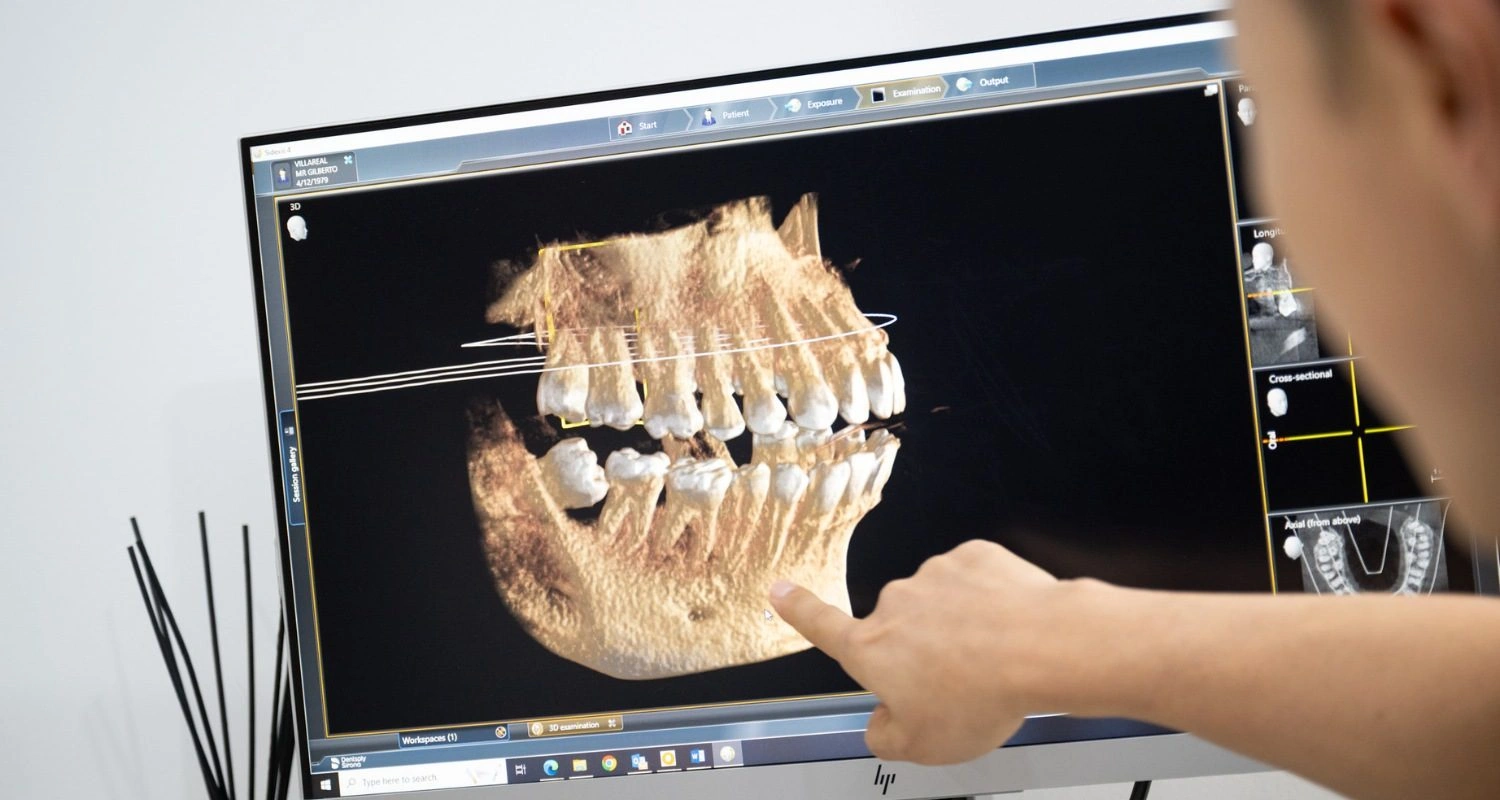
- Digital X-rays to visualise root structure and surrounding bone
- Advanced imaging when complex anatomy is suspected
Pulp vitality tests help determine whether the tooth’s nerve tissue remains alive or has died due to infection. X-rays reveal crucial information about root canal anatomy, the extent of infection, and any bone loss around the tooth roots.
When Root Canal Treatment May Be Recommended
Root canal treatment may be considered when infection has compromised the tooth’s pulp tissue but the surrounding structures remain healthy enough to maintain the tooth long-term.
Factors that may favour root canal treatment include:
- Adequate remaining tooth structure to support restoration
- Healthy periodontal ligament and surrounding bone
- Strategic importance of the tooth for chewing or appearance
- Patient preference to preserve natural teeth when possible
The amount of remaining healthy tooth structure plays a crucial role in treatment planning. Teeth with extensive decay may require additional procedures such as crowns to provide adequate strength following treatment.
Patient factors such as age, overall health, and treatment preferences also influence recommendations. Some patients prioritise tooth preservation, whilst others may prefer extraction and replacement options.
The Root Canal Procedure Process
Root canal treatment involves removing infected pulp tissue from within the tooth, cleaning and disinfecting the root canal system, and sealing the space to prevent reinfection.
Treatment typically involves several steps:
- Local anaesthesia to ensure patient comfort
- Creation of access opening to reach the pulp chamber
- Removal of infected or damaged pulp tissue
- Cleaning and shaping of root canal spaces
- Disinfection to eliminate remaining bacteria
- Filling and sealing of root canal system
Most infected tooth root canal treatments require multiple appointments to ensure thorough cleaning. Following completion, the tooth typically requires permanent restoration such as a crown to protect the treated tooth and restore function.
Alternative Treatment Options
When infected tooth root canal treatment is not suitable or successful, alternative options may be considered depending on individual circumstances.
Alternatives may include:
- Tooth extraction followed by replacement options
- Apicoectomy or surgical root canal treatment
- Pain management with eventual extraction
Tooth extraction eliminates infection definitively but requires replacement options such as dental implants or bridges to restore function. Surgical approaches may be considered when conventional root canal treatment is not feasible due to anatomical factors.
Long-term Considerations and Success Factors
Root canal treatment success rates vary based on multiple factors including infection severity, treatment complexity, and post-treatment care.
Factors that may influence outcomes include:
- Thoroughness of infection removal and disinfection
- Quality of final restoration and seal
- Patient oral hygiene and maintenance compliance
Regular follow-up examinations help monitor healing and detect any signs of treatment complications. Some treated teeth may require additional procedures despite initially successful treatment.
Professional Assessment for Infected Teeth
When severe tooth infection develops, prompt professional evaluation helps determine whether infected tooth root canal treatment or alternative approaches may be most suitable for preserving oral health and function.
Early intervention often provides more treatment options and better outcomes compared to delayed care when complications have developed. Understanding the signs of serious dental infection helps patients seek appropriate care promptly.
At Pitt Street Dental Centre, we provide comprehensive assessment for infected teeth, including evaluation of root canal treatment suitability and discussion of all available options based on your specific situation and treatment goals.
Contact Pitt Street Dental Centre if you’re experiencing severe tooth pain or signs of infection. Complete our enquiry form or call our practice for urgent assessment and appropriate treatment of potentially infected teeth.