Wisdom teeth have got to be evolution’s biggest practical joke. They arrive fashionably late to the party, usually when your mouth is already at capacity, and then proceed to cause drama like uninvited guests who’ve had too much to drink. Unlike other teeth that announce their arrival during childhood, wisdom teeth prefer the element of surprise, often making their presence known in the most inconvenient ways possible.
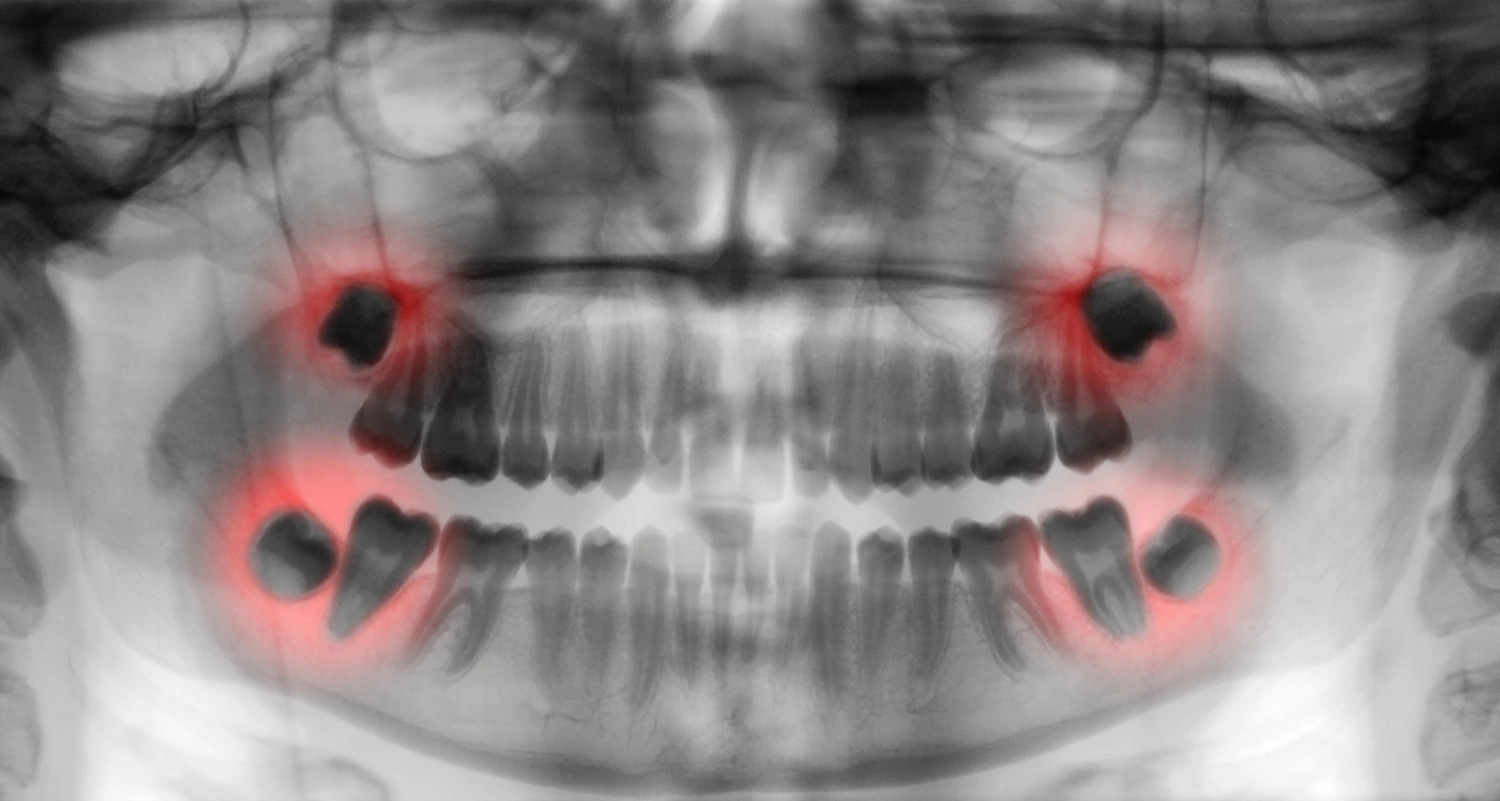
Meet James, a 25-year-old who ignored the occasional twinges from his back molars for months, assuming they were just “growing pains.” When he finally sought a wisdom tooth assessment, X-rays revealed his wisdom teeth were growing sideways, threatening to damage his perfectly healthy neighbouring teeth. Early intervention saved him from a much more complex extraction later.
Or consider Emma, whose only symptom was persistent bad breath that mouthwash couldn’t tackle. Turns out, her partially erupted wisdom tooth was creating a pocket where bacteria thrived, despite her excellent oral hygiene elsewhere. A timely wisdom tooth assessment prevented what could have become a serious infection.
The truth is, wisdom teeth rarely announce their problems with obvious pain. They’re much more subtle, sending signals that are easy to dismiss until they become impossible to ignore.
The Obvious Signals: When Your Mouth Speaks Loudly
Some wisdom tooth problems make themselves known with all the subtlety of a fire alarm. These obvious signs warrant immediate professional assessment, not because they’re necessarily emergencies, but because they indicate changes that need professional evaluation.
Pain and Pressure
The classic wisdom tooth ache isn’t always the sharp, throbbing pain people expect. More often, it’s a dull pressure or aching sensation at the back of your mouth that comes and goes. This intermittent discomfort often coincides with stress, illness, or times when your immune system is compromised.
Swelling and Tenderness
Gum tissue around erupting wisdom teeth often becomes swollen and tender. This isn’t necessarily problematic if it’s mild and temporary, but persistent or recurring swelling indicates the need for professional wisdom tooth assessment.
Difficulty Opening Your Mouth
When wisdom teeth cause inflammation in the surrounding tissues, it can affect your ability to open your mouth fully. This limitation in jaw movement is your body’s way of protecting the area, but it’s also a clear signal that professional evaluation is needed.
The Subtle Clues: When Your Mouth Whispers
More concerning than obvious pain are the subtle signs that wisdom teeth are causing problems. These quiet indicators often represent more serious issues than dramatic symptoms because they suggest ongoing, chronic problems.
Persistent Bad Breath
Wisdom teeth that haven’t fully erupted create pockets where food and bacteria accumulate. These areas are nearly impossible to clean effectively with regular brushing and flossing, leading to persistent bad breath that doesn’t respond to improved oral hygiene. A wisdom tooth assessment can identify these hidden problem areas.
Recurring Sore Throats
Partially erupted wisdom teeth can harbour bacteria that contribute to recurring throat infections. If you’re experiencing frequent sore throats without other cold symptoms, your wisdom teeth might be the culprit.
Taste Changes
An unusual metallic or unpleasant taste that persists despite good oral hygiene often indicates bacterial buildup around wisdom teeth. This taste is frequently accompanied by the feeling that something is “off” in your mouth, even when you can’t pinpoint exactly what.
Headaches and Ear Pain
The jaw joint connects to a complex network of muscles and nerves. Wisdom teeth that are impacted or erupting at odd angles can create muscle tension that manifests as headaches or ear pain. These symptoms are often dismissed as stress-related when they might actually require wisdom tooth assessment.
The Hidden Dangers: What You Can’t See
Some of the most serious wisdom tooth problems develop silently, without obvious symptoms. These hidden issues make regular professional assessment crucial, even when you feel fine.
Cyst Formation
Impacted wisdom teeth can develop cysts – fluid-filled sacs that gradually destroy surrounding bone and tissue. These cysts are typically painless in their early stages but can cause significant damage if left untreated. Only professional imaging during a wisdom tooth assessment can detect these developing problems.
Root Resorption
Sometimes impacted wisdom teeth press against neighbouring teeth with enough force to gradually dissolve their roots. This process, called root resorption, is usually painless but can destroy otherwise healthy teeth. Early detection through wisdom tooth assessment is the only way to prevent this irreversible damage.
Crowding Effects
While the relationship between wisdom teeth and orthodontic crowding remains debated, many patients notice their front teeth becoming more crowded as wisdom teeth erupt. Professional assessment can determine whether wisdom teeth are contributing to alignment changes.
Age and Timing Considerations
The timing of wisdom tooth assessment is crucial because problems that are easily addressed in young adults become more complex with age.
The Golden Window
Most dental professionals recommend wisdom tooth assessment between ages 16-25, when roots aren’t fully formed and surrounding bone is less dense. Extractions performed during this window typically heal faster and with fewer complications.
Adult Considerations
Wisdom tooth problems don’t disappear with age; they often become more complex. Adults over 30 may experience slower healing and increased risk of complications, making early assessment and intervention even more valuable.
Pregnancy Planning
Women planning pregnancy should consider wisdom tooth assessment beforehand. Dental surgery during pregnancy is best avoided, and hormonal changes can exacerbate existing wisdom tooth problems.
Modern Assessment Technologies
Today’s wisdom tooth assessment goes far beyond the “wait and see” approach of the past. Advanced imaging technologies allow dentists to predict problems before they become painful or destructive.
3D Imaging Advantages
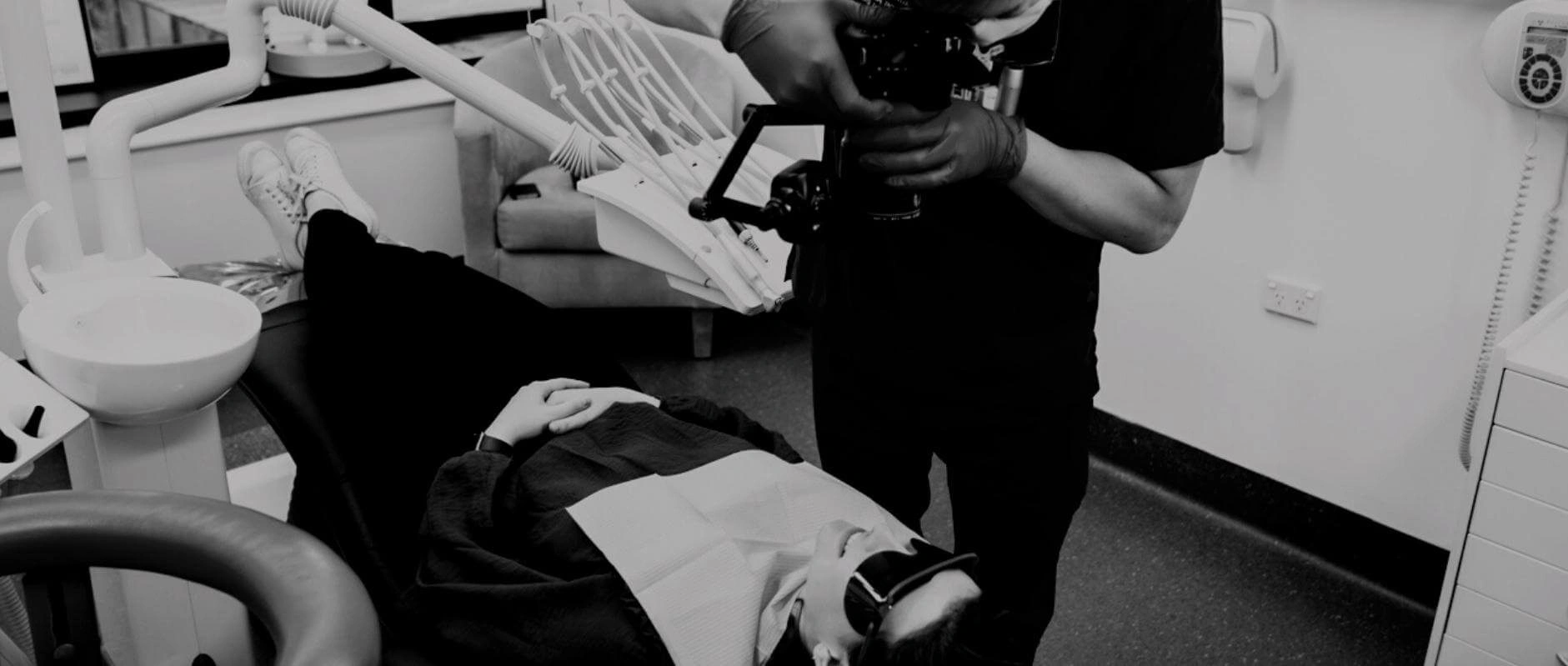
Cone beam CT scans provide detailed three-dimensional views of wisdom teeth, surrounding bone, and nearby nerves. This technology allows for precise assessment of impaction angles, root development, and potential complications.
Predictive Analysis
Modern software can analyse wisdom tooth development patterns to predict future problems. This allows for proactive treatment planning rather than reactive emergency care.
Risk Assessment Protocols
Comprehensive wisdom tooth assessment now includes evaluation of individual risk factors, from jaw size to genetics, helping determine the most appropriate monitoring or treatment approach.
Prevention vs. Intervention
The goal of wisdom tooth assessment isn’t necessarily extraction; it’s informed decision-making based on individual circumstances.
Conservative Monitoring
Many wisdom teeth can be successfully maintained with careful monitoring and enhanced cleaning protocols. Regular assessment allows problems to be caught early when treatment options are less invasive.
Strategic Timing
When extraction is recommended, professional assessment helps determine optimal timing. Sometimes waiting a few months allows for better healing conditions, while other situations require immediate intervention.
Alternative Solutions
Not all wisdom tooth problems require extraction. Sometimes minor surgical procedures like operculectomy (removing gum tissue) or improved oral hygiene protocols can resolve issues while preserving teeth.
Conclusion: Listening to Your Mouth’s Wisdom
Your wisdom teeth might be the last to arrive, but they don’t have to be the cause of lasting problems. The key is recognising that subtle symptoms often indicate more serious issues than dramatic pain, and that modern wisdom tooth assessment can predict and prevent problems before they become urgent.
Don’t wait for unbearable pain to seek professional evaluation. Your mouth’s subtle signals deserve attention, and early wisdom tooth assessment can save you from complex problems down the road. After all, true wisdom lies in addressing problems before they become crises.
Get Professional Wisdom Tooth Assessment
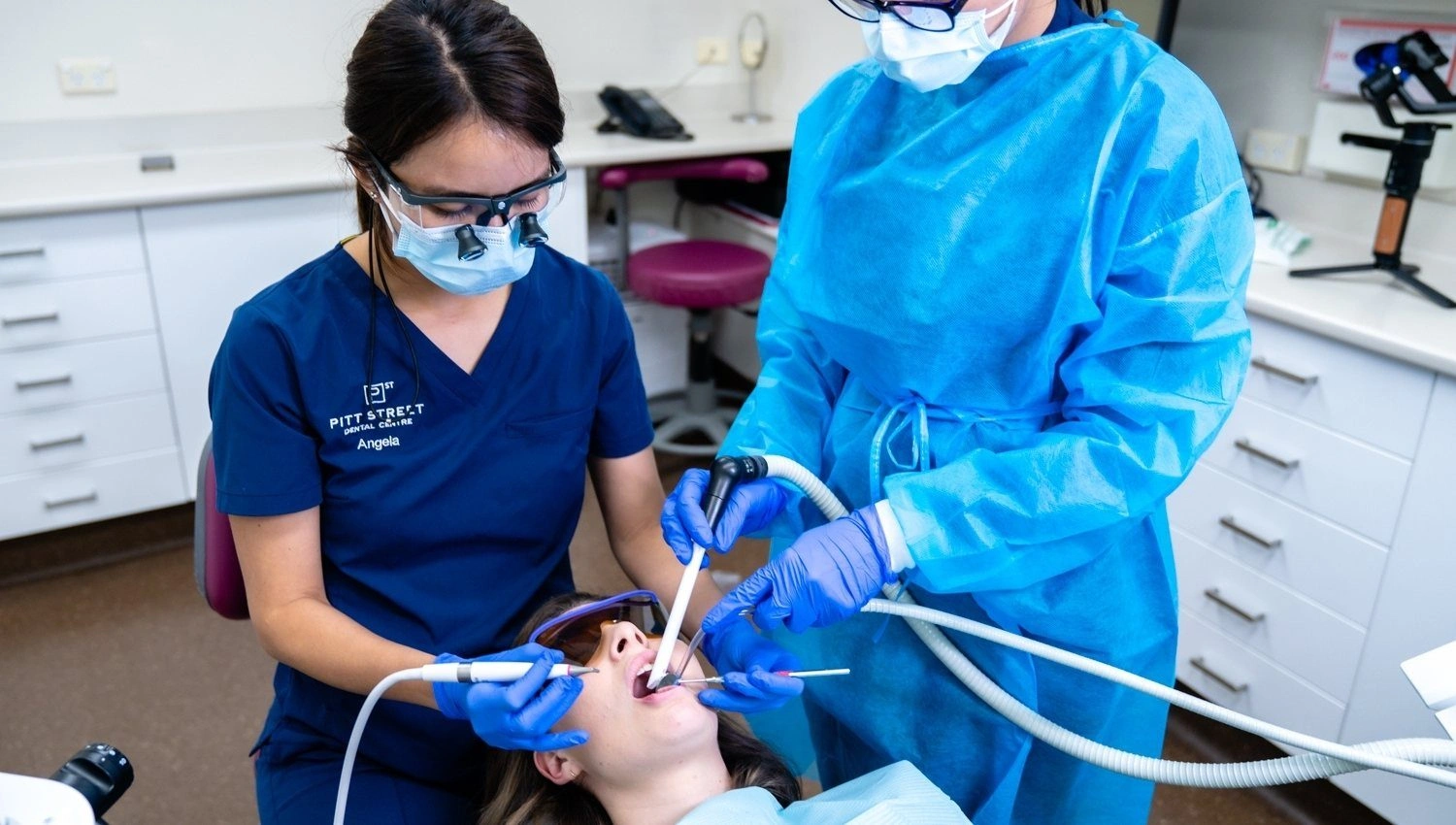
Experiencing any signs that your wisdom teeth might need attention? The team at Pitt Street Dental Centre provides comprehensive wisdom tooth assessment using advanced imaging technology to ensure informed decision-making about your oral health.
Call us today to schedule your wisdom tooth evaluation. Complete our enquiry form or phone our practice to ensure your wisdom teeth aren’t silently threatening your smile.