Picture this: you’ve finally decided to take the plunge and get those veneers you’ve been dreaming about. You’re already mentally rehearsing your dazzling new smile when your dentist drops the bombshell: several of your front teeth have existing fillings. Suddenly, your straightforward cosmetic upgrade feels about as complicated as trying to redecorate a house whilst the builders are still living in it.
The good news? Having fillings doesn’t automatically disqualify you from the veneer club. The slightly more complicated news? It does mean your dental team needs to get rather creative about how they approach your smile makeover. Think of it as the difference between hanging a picture on a clean wall versus working around existing artwork; definitely doable, but requiring a bit more finesse.
Veneers with fillings are entirely possible, but they do present some interesting challenges that your average Instagram smile transformation post conveniently glosses over. The key is understanding what you’re working with and making informed decisions about the best path forward.
The Reality Check: What We’re Actually Dealing With
When you have existing fillings in teeth destined for veneers, you’re essentially asking two different materials to play nicely together for the next couple of decades. It’s a bit like trying to get your teenage children to share a bedroom – possible, but requiring careful negotiation and realistic expectations.
Dental fillings, whether they’re the old silver amalgam type or the newer tooth-coloured composite versions, have their own bonding characteristics and expansion rates. Veneers, typically made from porcelain, have completely different properties. Getting them to work together harmoniously requires understanding how each material behaves over time.
The location and size of your existing fillings play crucial roles in determining the success of veneers with fillings. A tiny filling on the back surface of a tooth? Probably not a drama. A whopping great filling that takes up half the front surface? That’s going to require some serious strategising.
According to Australian dental studies, teeth with large existing restorations have slightly higher failure rates when veneered compared to pristine teeth. It’s not that it can’t be done, it’s just that success depends heavily on proper case selection and meticulous technique.
The Bonding Dilemma: Making Different Materials Play Nice
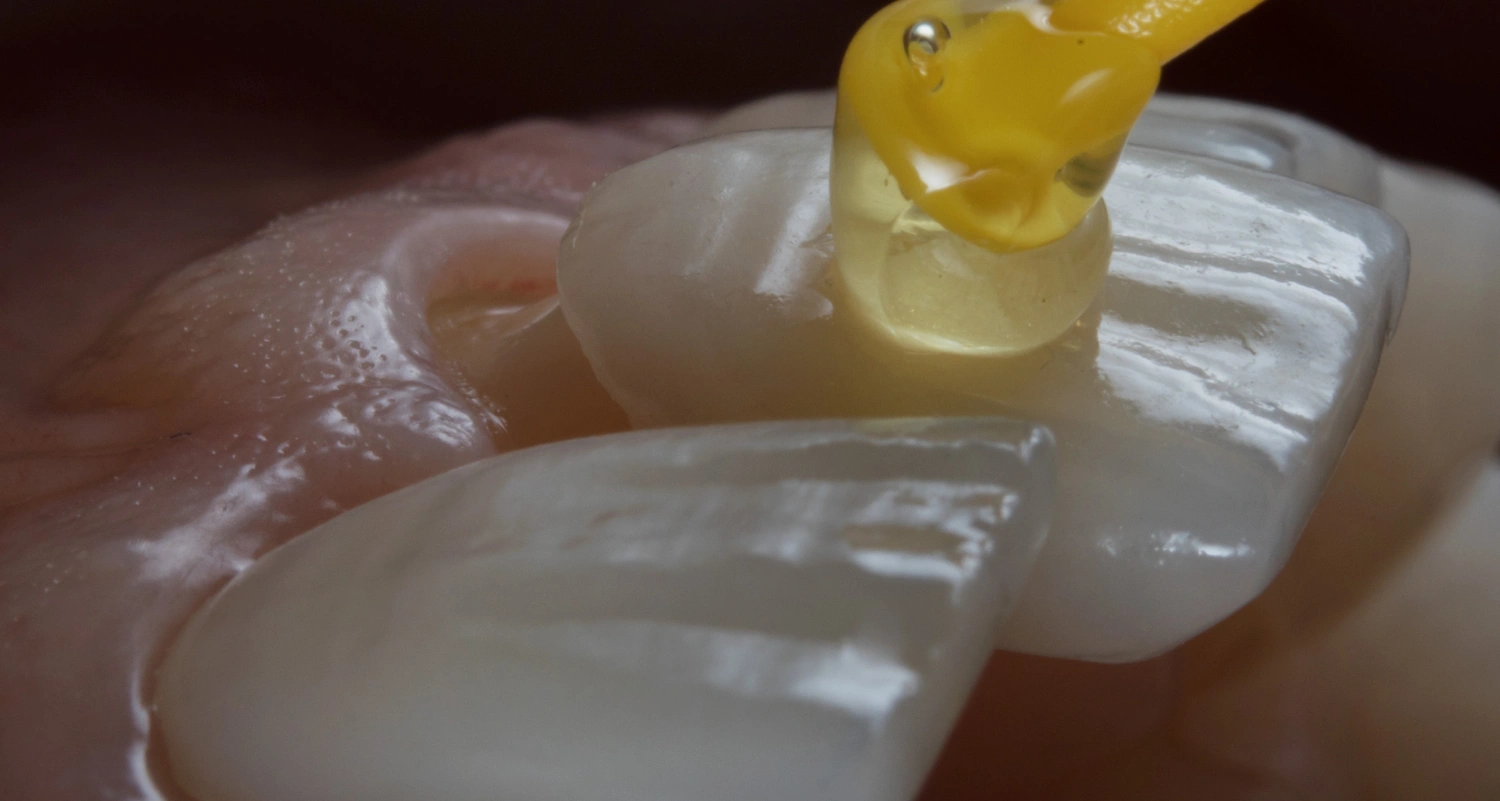
The magic of veneers lies largely in how well they bond to your natural tooth structure. Porcelain bonds beautifully to enamel through a chemical reaction that creates an incredibly strong connection. But when part of your tooth surface is already occupied by a filling, things get more complicated.
Different filling materials require different bonding approaches. Older amalgam fillings don’t bond to anything, they’re essentially just wedged into place. Composite fillings bond better, but not as predictably as natural enamel. This means your dental team needs to evaluate each tooth individually to determine the best approach.
Sometimes the solution involves removing the existing filling entirely and starting fresh. Other times, the filling can stay put whilst the veneer is carefully designed to work around it. Occasionally, a combination approach works best – keeping part of the filling and replacing the rest.
The key is achieving reliable long-term bonding across the entire tooth surface. Weak spots in the bonding can lead to veneer failure, which is about as disappointing as it sounds when you’ve invested in a smile makeover.
Size Matters: When Fillings Are Too Big For Veneer Friendship
There’s an unspoken rule in cosmetic dentistry: if your filling takes up more than about 50% of the tooth surface that will be covered by the veneer, you’re probably better off considering a crown instead. It’s rather like trying to put a fresh coat of paint over a wall that’s mostly patched, sometimes it’s easier to just replace the whole thing.
Large fillings create several challenges for veneers with fillings. First, there’s less natural tooth structure for the veneer to bond to, which compromises long-term success. Second, the junction between the filling and veneer can become a weak point where problems develop over time.
The aesthetics can be tricky too. Even the best colour-matched fillings don’t have the same translucency and light-reflecting properties as natural enamel. When a veneer is placed over a large filling, it can look slightly different from veneers on teeth with minimal restorations.
This doesn’t mean large fillings automatically rule out veneers, it just means having realistic expectations and possibly considering alternative treatments that might give better long-term results.
The Creative Solutions: When Dentists Think Outside The Box
Experienced cosmetic dentists have developed several clever strategies for dealing with veneers with fillings. Sometimes it involves removing the old filling and replacing it with a newer material that bonds better to porcelain. Other times, the veneer design is modified to work around the existing restoration.
One approach involves using a technique called “selective removal,” where only part of the filling is removed, typically the portion that will interfere with optimal veneer bonding. The rest of the filling stays put, reducing the invasiveness of the procedure whilst improving the prognosis.
Another strategy involves using different veneer thicknesses to compensate for the varying surface materials. Thicker veneers over fillings, thinner ones over natural enamel, it’s rather like custom tailoring for your teeth.
Advanced bonding agents and techniques have also improved the success rates of veneers placed over existing restorations. Modern dental adhesives can create reliable bonds to both natural tooth structure and filling materials when used correctly.
The Pitt Street Dental Centre Approach To Complex Cases
At Pitt Street Dental Centre, we understand that most patients seeking veneers aren’t working with perfect, pristine teeth. Real life involves fillings, wear, and previous dental work that needs to be factored into any cosmetic treatment plan.
Our comprehensive assessment includes detailed examination of all existing restorations, their condition, and how they’ll interact with your proposed veneers. We use advanced imaging and colour analysis to plan treatments that will give you the best possible long-term results.
Sometimes this means recommending removal and replacement of old fillings before veneer placement. Other times, we can work with what’s already there. The key is honest communication about what’s realistic and what will give you the smile you’re hoping for.
We also provide detailed maintenance instructions specific to veneers with fillings, as these teeth may require slightly different care compared to veneers on unrestored teeth.
Making The Right Decision For Your Smile
The decision to place veneers over teeth with existing fillings shouldn’t be taken lightly. Success depends on careful evaluation of each individual case, realistic expectations, and sometimes accepting that alternative treatments might give better results.
If your fillings are small and well-placed, veneers can absolutely work beautifully. If they’re large or poorly positioned, you might be better served by crowns or other restorative options that address the whole tooth rather than just the front surface.
The investment in veneers is significant, and you want results that will last. Sometimes this means taking a slightly more conservative approach or considering treatments that might be more extensive initially but give better long-term outcomes.
Wondering whether your existing fillings are compatible with your veneer dreams? Contact Pitt Street Dental Centre today on +61 2 8000 1832 to schedule your comprehensive cosmetic consultation. Our experienced team will assess your specific situation and discuss the best approach for achieving your ideal smile. Complete our enquiry form online, and let’s explore whether veneers with fillings are the right solution for your unique circumstances.